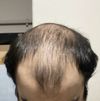
A user shared their positive experience with hair regrowth using finasteride 1.25 mg daily and dermastamping every two weeks. They reported no side effects and noticed regrowth after about three months.
The conversation is about someone looking for specific side effects reported in clinical trials for GT20029, a hair loss treatment. No results or data were found on the clinical trials site.
Redensyl is being compared to Minoxidil for hair loss treatment. Users discuss the effectiveness of Redensyl versus Minoxidil, with no clear consensus on which is better.
The conversation discusses a transgender individual's successful hair loss treatment over 1.5 years using 2.5mg oral minoxidil, 5mg finasteride, and 8mg weekly injectable estradiol valerate. Some users debate the appropriateness of this approach within the group's goals, while others support the individualized treatment and its additional benefits for transgender individuals.
The conversation is about a user's positive hair regrowth results using oral Dutasteride (DUT) and topical Minoxidil (MIN), with occasional derma rolling. The user experienced initial shedding but saw improvement after 8 months, and others discussed the use of Finasteride (FIN) and Tretinoin to enhance results.
The conversation is about using PTD-DBM and valproic acid for hair loss. The user is inquiring about the dosage of these treatments, noting that valproic acid is used at a 7.5% solution.
Exosomes are not effective for long-term hair regrowth, with users reporting temporary improvements or no noticeable change. Effective treatments include Dutasteride, Finasteride, Minoxidil, and RU58841, with other options like CB-03-01 and Fluridil offering limited benefits.
The user has been using kx826 for 10 months and topical minoxidil for 2 years, reporting slow but undeniable progress in hair regrowth. They experienced side effects from finasteride and do not use it.
A 28-year-old male experienced significant hair improvement in two months using 2.5mg oral minoxidil daily, 1mg finasteride every other day, weekly dermastamping, daily scalp massages, and rosemary oil. The user reports no side effects and questions if the rapid progress is typical or if they are a hyper responder.
A 32-year-old black male shared the hair products he uses, receiving positive feedback for his genuine approach and hair results. Specific treatments were not mentioned in the provided text.
A 25-year-old shared their 3-month progress using a combination of 1mg finasteride and 5% minoxidil for hair loss. The images show noticeable improvement in hair density.
Mesotherapy Dutasteride is considered highly effective for reducing scalp DHT and potentially reversing hair loss. However, one user reported systemic side effects and no improvement in hair loss.
Crushing spironolactone pills and combining them with minoxidil for topical application may be effective for hair loss, with the addition of finasteride suggested. Adding rosemary and peppermint oils can help mask the unpleasant smell.
A 26-year-old is undergoing dutasteride mesotherapy with cuticapil serum and minoxidil tablets for hair loss, expecting results in a few months. The treatment is monthly, costs 4750 INR per session, and has shown no noticeable side effects so far.
A user who experienced positive results from taking Minoxidil and Finasteride every day for three months, resulting in feeling like "a new man". Replies to the post were supportive with other users sharing their own experiences.
A user reported a 50% increase in testosterone after 18 months of taking dutasteride for hair loss. The conversation includes skepticism about the reliability of single testosterone tests and questions about estrogen levels.
The user shared progress pictures showing hair growth after six months of using topical minoxidil twice daily, finasteride once daily, derma rolling every four days, and initially taking zinc and vitamin D. They also used scalp massaging techniques with minoxidil.
A user was prescribed betamethasone dipropionate spray for a receding hairline, which caused skin peeling and depigmentation. They stopped using it and are considering alternatives like BPC-157/TB-500 for healing.
The user is starting dutasteride mesotherapy and seeks information on checking serum DHT levels in Germany. They previously tried finasteride but experienced unpleasant side effects.
The user has been using minoxidil, dutasteride, and mesotherapy for hair loss for 9 months and recently added a derma-roller to their routine. Commenters agree there is visible progress and improvement in hair thickness.
The user has been using finasteride (0.5mg), minoxidil (5% foam), dermarolling, and rosemary oil for 3 months, noticing baby hairs and some shedding. Advice given includes continuing the current treatment, considering additional treatments, and potentially increasing the finasteride dose.
A user is experiencing significant hair loss and stress, seeking advice on treatments. They are using Pura d'or shampoo and conditioner, biotin, and considering other options but are hesitant about treatments like Minoxidil due to the need for continuous use.
The user used finasteride but stopped due to side effects, then used topical minoxidil for 13 months, and later added KX826/pyrilutamide for 8 months. They experienced shedding after starting pyrilutamide and use minoxidil and KX826 once daily.
The conversation is about a hair loss treatment regimen that includes finasteride, dutasteride, oral minoxidil, Dermapen, quercetin, N-acetyl L-cysteine, biotin, millet seed extract, MSM, OPC, green tea extract, high-dose vitamins B1-B12, boron, and silica. The user is seeking advice on additional treatments.
A user is considering using finasteride and minoxidil to address hair loss, particularly at the temples and crown. Responses include encouragement, humor, and additional suggestions like using a derma roller.
The conversation is about exploring alternatives for hair loss treatment, specifically ds laboratory revita shampoo and nanoxidil, with the user currently using microneedling. The user is considering these options due to fewer side effects compared to other treatments.