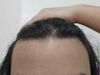
Hair regrowth and gender transition using finasteride, estrogen, and spironolactone. Significant hair regrowth and personal transformation were achieved through hormone replacement therapy.
Kintor plans to release pyrilutamide foam and a plant-based Koshine by year-end, with GT20029 progressing in their pipeline. Users are pleased about the absence of propylene glycol (PG) in the new products.
User reports 3-month progress using daily 1mg finasteride, 0.5ml minoxidil (2x daily), 0.5ml dutasteride, and derma rolling 0.5mm 1-2 times per week. They see increased density on crown and top of head, slight progress in corners and temples, and recently added cosmerna.
CB-03-01, also known as Breezula, is being considered as an alternative to DHT blockers for hair loss. Users are discussing its effectiveness, potential regrowth, side effects like scalp irritation, and hormonal impacts.
A 22-year-old used oral finasteride from Costco and topical Kirkland minoxidil for 4-5 months to treat hair loss, resulting in significant hair regrowth and restored confidence. The "big 3" refers to minoxidil, finasteride, and microneedling as hair loss treatments.
KX826 shows promise as a hair loss treatment with a 10% increase in hair count, but concerns about Kintor's marketing practices and the systemic effects of treatments like GT20029 and RU58841 remain. Users express skepticism and hope, with some preferring traditional treatments like finasteride and minoxidil.
The conversation is about finding a legitimate source for RU58841 in Germany, with suggestions including Receptorchem and GeneTherica. Anageninc and Chemyo do not deliver to Germany.
The conversation discusses the lack of updates on GT20029 for hair loss treatment, with some users noting recent reports indicating ongoing data collection. There are mentions of other treatments like Pyrilutamide and Minoxidil.
Hair loss theory involves 3alpha-hydroxysteroid reductase (3AHD) converting DHT to androstenol. Discussion explores potential treatments and encourages more research.
Triple Hair Inc. developed a new topical treatment, TH07, combining Finasteride, Latanoprost, and Minoxidil for androgenic alopecia. Users discussed its effectiveness compared to other treatments and shared their own product combinations.
The conversation discusses the difficulty of applying tretinoin 0.025% cream on the scalp and considers switching to a gel for easier application. It also mentions that a liquid solution, ideally combined with minoxidil, may be more effective for hair treatment.
PP405 shows promise for hair regrowth by manipulating stem cell characteristics and lactate dehydrogenase, with Phase 2a trials pending. Google Ventures' $15M investment suggests confidence, but results and market availability remain uncertain.
A user is starting a hair loss treatment with a 3-in-1 spray containing 6% minoxidil, 0.3% finasteride, and 0.025% tretinoin. Users are skeptical about its effectiveness due to advanced hair loss, but some suggest adding microneedling and using affordable generics.
A user's progress with treating their hair loss, which consists of using Dutasteride, RU58841, Stemoxydine and Tretinoin 0.05% over the past three months.
A 26-year-old male is considering starting the "Big 3" treatments for hair thinning, which include Minoxidil, finasteride, and RU58841, and is unsure whether to begin these treatments or consult a dermatologist first.
A new "third cell" discovery in Japan could be key to fully regenerating hair follicles, with human trials possibly starting in 2027-2028. AI is expected to accelerate medical discoveries, potentially leading to a hair loss cure within a few years.
MCL-1 protein may help maintain hair follicles in the growth phase and prevent miniaturization. There is interest in experimental treatments like exosomes, peptides, or stem cell serums to upregulate MCL-1 for hair loss, especially for those not using minoxidil or finasteride.
GT20029 is a new hair loss treatment in Phase 3 trials in China, using PROTAC technology to target androgen receptors, potentially with fewer side effects than finasteride and minoxidil. VDPHL01, a second-generation minoxidil, is also mentioned as potentially more effective.
A hair transplant experienced by FC Barcelona goalkeeper Ter Stegen, who reportedly saw improved confidence and performance following the procedure. People discussed finasteride as an alternative treatment option for those unable to afford a transplant.
The conversation discusses GT20029 as a potential hair loss treatment that could act like a cure by targeting androgen receptors in scalp hair follicles. Specific treatments mentioned include GT20029, with a user expressing hope that it could make male pattern baldness obsolete.
GT20029 is a potential treatment for androgenetic alopecia, addressing the root cause by targeting androgen receptors, unlike Minoxidil or Finasteride. It is seen as a preventative measure rather than a regrowth agent, with hopes for market release soon.
The conversation is about the anticipated release date of phase II results for a hair loss treatment called GT20029 and the cautious optimism surrounding it due to past disappointments with similar treatments. Users expect an update in the next few months.
A user is considering switching to a topical treatment containing finasteride, minoxidil, and tretinoin, instead of their current regimen of oral finasteride and oral minoxidil. They are unsure whether to try the new topical or continue with their current treatment.
Stem cell-related treatments and drugs like RCGD423 and WAY are being tested for hair growth. Clinics are conducting tests on patients who haven't had previous treatments.
The person is using 1mg of finasteride daily, 2mg of minoxidil, and weekly dermarolling with a 1mm needle. They sometimes use topical minoxidil as well.
Fatty acid metabolic signaling can activate epithelial stem cells for hair regeneration. Oleic and palmitoleic acids showed the best results, but practical application on humans remains uncertain.
User is experiencing hair thinning and sebum overproduction after starting finasteride and a hair growth supplement containing biotin, iron, zinc, and calcium. They suspect the finasteride might be fake but have noticed a side effect of watery semen.