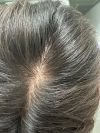
The user has been taking oral finasteride 1.25mg daily for 9 months but is still experiencing hair recession. They plan to try topical minoxidil and consider oral minoxidil and dutasteride if needed.
The user achieved significant hair regrowth using 0.5mg oral Dutasteride, 2.5mg oral Minoxidil, topical Minoxidil twice daily, Ketoconazole shampoo twice a week, and weekly dermastamping with no side effects. Results were noticeable after 2-3 months, with the best results at 9 months.
A user shared their positive experience with a hair transplant in Patna, using 1800 grafts to enhance their hairline and temple points. The procedure cost around Rs 85K, and the user is pleased with the natural-looking results.
Stopping dutasteride for a year caused significant hair loss, and resuming it with oral minoxidil led to only partial recovery. Users discuss treatments like finasteride, microneedling, and RU58841, noting mixed results and side effects.
The user shares their experience with hair loss treatments, including oral finasteride, oral minoxidil, and a topical lotion for dandruff, expressing dissatisfaction with past treatments like PRP and hair transplants. They seek advice on a DNA test to determine suitable medications and express frustration with dermatologists' advice.
A user shared progress pictures after one year of using 2.5mg Minoxidil and 1.25mg Finasteride for hair loss. The discussion includes suggestions for additional treatments like dermastamping, dutasteride, and increasing Minoxidil dosage, with mixed opinions on the effectiveness of current treatments.
The conversation is about hair loss treatments, focusing on finasteride and minoxidil. Users suggest combining these with microneedling, but some recommend a hair transplant due to significant hair loss.
The conversation humorously suggests that the hair loss industry, referred to as "Big Bald," deliberately delays a cure to profit from ongoing treatments like minoxidil, finasteride, and dutasteride. Participants debate whether a cure would be more profitable than current treatments, with some suggesting that the industry prefers continuous treatments for sustained profit.
PP405 is criticized for overhyped claims and cherry-picked data, with doubts about its effectiveness compared to minoxidil and finasteride. Many users express skepticism, emphasizing the need for more comprehensive trial results.
The user is concerned about having a straight, low hairline after a hair transplant and is unable to take finasteride due to high estrogen and prolactin levels. They have used minoxidil with limited success and are considering further transplants to lower the hairline, while others suggest the risks of using up donor hair too quickly.
The conversation is about a user's experience with hair loss treatments, specifically using finasteride, minoxidil, microneedling, and ketoconazole shampoo. The user reports improvements after almost nine months, with no side effects, and discusses the shedding process and expectations for results.
Dutasteride, at 1 mg daily, was used for hair regrowth, with initial shedding and side effects like watery semen and increased libido. The user previously tried finasteride and minoxidil but switched to dutasteride for stronger, sustained results.
The user is 40 days into using finasteride (1 mg daily) and topical minoxidil (twice a day) for hair loss, noticing some progress despite initial heavy shedding. They plan to switch to foam minoxidil due to flaking and have experienced hair growth on the forehead.
A new drug, PP405, is being discussed as a potential cure for baldness, with hopes it could be more effective than Minoxidil and Finasteride. Users are skeptical about its effectiveness and the need for lifelong use.
Dutasteride reduces DHT more effectively than finasteride, but finasteride is more commonly used and approved for hair loss. Users have mixed opinions on dutasteride's effectiveness, with some experiencing better results and others facing side effects or no improvement.
A user reversed severe hair loss with dieting, lifestyle changes, and topical minoxidil, highlighting reduced inflammation and body fat. The conversation debates finasteride's effectiveness and the impact of diet and lifestyle on hair health.
The user is experiencing increased hair loss 9 months into a treatment with topical finasteride and minoxidil, along with supplements, and is questioning if this is a temporary phase or if the treatment is ineffective. Opinions vary, with some suggesting shedding is normal, while others debate the effectiveness of topical treatments and the impact of supplements.
The user is experiencing early hair thinning and is currently using finasteride and ketoconazole shampoo. They are considering adding minoxidil or switching to dutasteride for stronger DHT suppression, while also checking for iron deficiency.
Red light therapy with dual wavelengths (650nm and 850nm) can stimulate hair regrowth without DHT blockers. Consistent use of a panel with these wavelengths has shown positive results in hair regrowth.
A user shared their positive experience with finasteride and minoxidil for hair regrowth, reporting no side effects and recommending early treatment for hair loss. Others discussed their experiences, side effects, and questions about dosages and application methods.
The user is considering starting oral minoxidil for hair regrowth, debating between 2.5mg and 5mg doses, while already using topical minoxidil, dutasteride, and ketoconazole shampoo. Users suggest starting with a lower dose to monitor side effects, with some recommending trying finasteride first.
The conversation discusses the use of 1% ketoconazole shampoo, like Nizoral, for hair loss and scalp issues. Users suggest it may help with early hair loss and scalp conditions but is not as effective as other treatments like minoxidil and finasteride.
A British man's death at a Turkish hair transplant clinic raised safety concerns about such clinics. Users discussed risks of cheaper clinics and suggested alternatives like Thailand, Korea, and Colombia.
Finasteride helped stop hair loss progression and slightly thickened hair, but reduced beard and chest hair growth. The user also uses ketoconazole shampoo for scalp itchiness.
KX-826 (Pyrilutamide) 0.5% and 1.0% solutions showed promising results in increasing hair count for male androgenetic alopecia, with the 0.5% dose slightly outperforming the 1% dose. The treatment was well-tolerated with no sexual side effects, but skepticism remains due to past inconsistencies in trial results.
The user experienced hair regrowth using 5% minoxidil and 1 mg finasteride, with additional supplements like a DHT blocker and foligrowth. Despite initial shedding, consistent use led to visible improvement in hair density.
The user experienced visible hair improvement after using oral minoxidil (5 mg daily) and finasteride (1 mg daily) for less than a year, with no noticeable side effects. They encourage others to try these treatments if they notice signs of hair loss.
Breezula, a potential hair loss treatment, is still in trials with no recent updates on its release, while its acne version, Winlevi, is available but expensive. Users discuss the high cost of hair loss treatments and alternatives like Minoxidil and topical Finasteride.
Dutasteride is effective for many in reducing hair loss and promoting regrowth, often with fewer side effects than finasteride. Combining it with minoxidil is commonly seen as a successful strategy, though results may take several months.