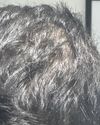
A 20-year-old is experiencing hair thinning and seeks advice on starting treatment and regrowing hair. They are considering using Minoxidil, finasteride, or RU58841.
A 17-year-old is experiencing early hair thinning and is considering oral minoxidil while being cautious about finasteride due to side effects. They seek advice on hair maintenance and plan to consult a doctor before using DHT blockers.
Creatine may cause hair loss in some individuals, especially those on finasteride, despite no scientific link. Personal experiences suggest individual sensitivity to DHT could be a factor.
A peptide-based hair loss treatment, PP405, reportedly increased hair density by 62% in 90 days, but these claims are unverified and met with skepticism. Users compared PP405 to Minoxidil and Finasteride, expressing doubts about its effectiveness without more evidence.
Minoxidil sulfate is considered for those unresponsive to regular minoxidil, with some trying a 10% formulation from Folligenz. Concerns exist about the product's stability and transparency, but some users report positive initial results.
ABS-201, a prolactin receptor blocker, shows promise in reversing hair loss and graying, with early success in macaques. Current treatments like finasteride, minoxidil, and RU58841 are still widely used, but new options like PP405 are eagerly anticipated.
A 31-year-old experienced significant hair regrowth using a combination of oral minoxidil, dutasteride, and topical treatments, with no side effects. They initially had issues with finasteride but found success with dutasteride, noting improved hair retention and no sexual side effects.
Early hair loss causes emotional distress, and common coping strategies like fitness and fashion are inadequate. Treatments like finasteride, minoxidil, dutasteride, hair systems, and scalp micropigmentation were tried but were unsatisfactory.
Finasteride users may have an increased risk of depression, anxiety, and suicidal thoughts, though some attribute these issues to hair loss itself. The link between finasteride and mental health effects is debated, with varying user experiences.
A 32-year-old man from Vietnam, at Norwood 7 hair loss, is using Minoxidil, Finasteride, rosemary oil, NMN, and CoQ10 to regrow hair. Despite minor improvements, alternatives like hair systems or accepting baldness are suggested due to advanced hair loss.
PP405 is a promising hair loss treatment that may outperform minoxidil and finasteride by reviving dormant follicles and promoting significant regrowth. Results from ongoing trials are awaited, with a potential market release between 2028-2030.
A 49-year-old has used finasteride for 19 years to manage hair loss, experiencing some libido changes but no major side effects, and plans to continue. They found minoxidil inconvenient but are considering restarting it with micro-needling.
PP405 is a promising new hair loss treatment that may reactivate dormant hair follicles without side effects. It could surpass traditional treatments like minoxidil and finasteride if successful in further trials.
The user experienced significant hair growth using topical finasteride and minoxidil but noticed nipple changes, suggesting early gynecomastia. They plan to stop the treatment and consider blood work to check hormonal balance.
PP405 is discussed as a potential hair loss treatment, with doubts about its effectiveness and availability. Users mention using finasteride and minoxidil, and express concerns about PP405's cost and market release.
Alternatives to finasteride for hair loss include minoxidil, alfatrodial, fluridil, pyrilutamide, and Nizoral. These treatments may not be as effective as finasteride but can help slow hair loss progression.
The user is considering a hair transplant while currently using minoxidil, saw palmetto, and pumpkin seed oil. Others suggest using finasteride or dutasteride for better results and to prevent further hair loss.
A 26-year-old is using Minoxidil, Saw Palmetto, and dermarolling for hair loss and is considering switching to topical Finasteride. They are self-conscious about hair thinning and are seeking advice on whether to continue treatment or shave their head.
A 32-year-old shares their one-year experience using dutasteride 0.5 mg and minoxidil for hair loss, noting some progress but still considering a hair transplant for better density. They mention decreased libido as a side effect and discuss the cost and considerations of a hair transplant.
The user has been taking 1mg of finasteride daily for a year, maintaining hair density without regrowth. They are considering oral minoxidil for regrowth, avoiding topical minoxidil due to its toxicity to cats, despite concerns about heart side effects.
The user experienced significant hair darkening and progress in hair regrowth over six months using 5% topical minoxidil, 5 mg oral minoxidil, 1 mg finasteride, and weekly microneedling. No side effects were reported from these treatments.
Hair loss greatly affects mental health and social life for young men. Treatments like finasteride, minoxidil, and hair transplants are common, with mixed success and ongoing self-esteem challenges.
The user has been using a topical spray containing finasteride and minoxidil for six months but is experiencing increased hair shedding and concerns about its effectiveness. Suggestions include switching to oral finasteride and minoxidil, consulting a dermatologist, and checking for underlying health issues like thyroid function and nutrient deficiencies.
PP405 may damage hair follicles if used long-term, suggesting cycling might be necessary. Combining it with finasteride could help maintain hair growth.
PP405 is a potential new hair loss treatment that works through metabolic pathways rather than hormonal ones, with an estimated market release between late 2027 and 2029. Current alternatives to finasteride include minoxidil, pyralutamide, fluridil, and RU58841, with hair transplants also being a viable option.
Significant hair improvement was achieved using 1.25mg finasteride and 5mg oral minoxidil daily, with no side effects. The user increased the minoxidil dosage to 7.5mg after noticing minor thinning and plans to continue the routine.
A 36-year-old achieved significant hair improvement and stability over 26 months using oral finasteride, minoxidil foam, microneedling, and ketoconazole shampoo, with no side effects. Patience and consistency were crucial for increased hair density and reduced shedding.
Switching from finasteride and minoxidil to a higher dose of dutasteride for hair loss is debated due to potential side effects. Many suggest starting with lower doses or sticking to finasteride if effective.
Creatine does not cause hair loss, despite many users reporting personal experiences of hair shedding. Scientific evidence shows no link between creatine and increased hair loss or hormone changes.
A 20-year-old with aggressive hair loss is using oral minoxidil and finasteride, considering a buzz cut to manage appearance. Most suggest a buzz cut or shaving, recommending patience with medication and possibly trying RU58841 or dutasteride.