Topical spironolactone is available in the UK for men to block androgen receptors locally. The user seeks opinions or experiences from others who have used it.
A user switched from finasteride to dutasteride and added oral minoxidil for hair loss but saw limited improvement. They are considering increasing doses, trying RU58841, and possibly a hair transplant, while others suggest checking for vitamin deficiencies.
After almost 9 months of taking 1mg Finasteride, the user started seeing good results with increased scalp coverage and new hair growth around the hairline. They advise others to be patient and stick with the treatment for about a year despite initial shedding and slow progress.
A user shared their hair regrowth journey from Norwood 7 at age 22 using oral minoxidil 10mg, dutasteride 0.5mg, and RU58841 70mg, along with a recent hair transplant. They experienced significant progress and discussed potential side effects, particularly with oral minoxidil, and plan to update on further growth.
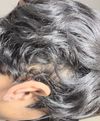
The user noticed small circular hairless spots after a buzz cut and has been using finasteride, dutasteride, and oral minoxidil for hair loss. They are experiencing continuous shedding and thinning, and it is suggested they consult a dermatologist for a scalp examination and possible biopsy to determine if it's alopecia areata or androgenetic alopecia.
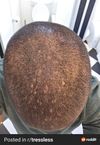
A 27-year-old male with AGA and diffused thinning has been using oral Minoxidil, Finasteride, Vitamin D, B12, Iron, and Ketoconazole shampoo. Despite a hair transplant and improved blood levels, he continues to experience hair loss and suspects a possible misdiagnosis of Alopecia Areata Incognita.
Male androgenetic alopecia is commonly treated with topical minoxidil and oral finasteride, both requiring continuous use. Other options include hair restoration surgery, dutasteride, light therapy, and camouflaging agents.
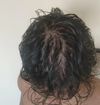
A 25-year-old is experiencing chronic telogen effluvium (TE) and androgenetic alopecia (AGA) after surgery, using finasteride, red light therapy, and supplements, and considering oral minoxidil despite heart concerns. They are unsure whether to start minoxidil before or after an upcoming surgery, which may trigger another hair shed.
A user has been experiencing hair loss for 4 years, with treatments like minoxidil, finasteride, and various supplements proving ineffective. They were diagnosed with fibrosing alopecia in a pattern distribution, a condition that may require a combination of anti-inflammatory and hair growth treatments.
A 23-year-old is considering starting a prescribed treatment for hair loss, which includes Dutasteride, oral Minoxidil, topical Finasteride with Minoxidil, and Ketoconazole shampoo. They are concerned about the potential impact on future fertility and whether to start with Dutasteride or try Finasteride first.
Finasteride users often experience itchy scalps, which may improve over time, but many rely on ketoconazole shampoo to manage symptoms. Some users find that finasteride helps with hair shedding, but not with scalp irritation, which may require additional treatment.
A 25-year-old male has been using topical finasteride and minoxidil for 2.5 months without noticeable improvement, experiencing some shedding. Users advise patience, noting significant results may take up to a year or more.
A user shares optimism about combating male pattern baldness using oral and topical minoxidil, highlighting the advancements in treatments available today. Another user agrees, noting that early treatment can yield good results, and mentions the availability of affordable hair transplants.
The user has been using minoxidil foam for 6 months but is concerned about the lack of normal hair growth. Suggestions include adding finasteride, oral minoxidil, and possibly dutasteride, along with microneedling for better results.
A 26-year-old is taking 1mg finasteride for hair loss prevention, experiencing side effects like low libido, and considering adding minoxidil but is hesitant. Users suggest sticking with finasteride, possibly adjusting the dosage, and incorporating scalp massages or microneedling to improve results.
A 24-year-old experiencing severe hair thinning has been using minoxidil for 2 years but is still shedding hair. A doctor recommended plasma treatment over a DHT blocker for better and healthier results.
A clinical trial in Australia offers $20,000 for participation, aiming to regrow hair and reverse grey hair. Participants must not have used hair treatments recently and must visit a Melbourne clinic regularly over 18 months.
A user shared an 18-month update on their crown hair transplant, performed by Jason Sorgi at Boston Hair Restoration, expressing satisfaction with the results. They continue to use oral minoxidil and finasteride to maintain hair health.
A 27-year-old male has been using minoxidil for five months with no improvement and is considering adding finasteride to address potential DHT interference. He is seeking advice on whether finasteride might enhance minoxidil's effectiveness or if he should consider other options like a hair transplant.
The user started using Dutasteride 0.5mg, Minoxidil 2.5mg, and Biotin 10mg for hair loss. They are experiencing increased hair thinning, likely due to the shedding phase.
The user has been using oral finasteride, minoxidil, and biotin for a year with minimal progress in hair regrowth. Many suggest a hair transplant and recommend switching to dutasteride and considering topical treatments.
A 19-year-old is concerned that starting finasteride for early hair loss might affect future beard growth. They plan to use minoxidil and finasteride due to a family history of male pattern baldness but worry about the impact on facial hair development.
The user switched from oral to topical finasteride with minoxidil after a hair transplant and is experiencing increased hair growth in unexpected areas like eyebrows and sideburns. They are seeking feedback from others with similar experiences.
RU-58642 is a powerful anti-androgen that was not developed further, possibly due to safety concerns or financial reasons. RU58841 is a topical alternative, but it is less effective than finasteride and dutasteride, and its long-term effects are not well-studied.
The user has been using topical minoxidil 8% and finasteride 0.3% for six months, along with 2% ketoconazole shampoo and microneedling. They are experiencing some hair regrowth and hope for thicker hair by next year.
Use finasteride or dutasteride with minoxidil for at least a year to improve hair density before considering a hair transplant. A transplant might be needed if medications don't provide sufficient regrowth.
Some users report significant hair regrowth without microneedling, using treatments like finasteride, minoxidil, and dutasteride. Others believe microneedling enhances results, but opinions vary on its necessity.
The user shared progress on hair regrowth after using 5% Minoxidil twice daily and microneedling 0.5mm a few times a week for 47 days. Other users noted visible improvement and regrowth of baby hair in the frontal temporal region.
A 38-year-old man experiencing rapid hair loss plans to try minoxidil and a derma roller, and may consider finasteride if there's no improvement in six months. He seeks advice on genetic hair loss, baseline baldness, dandruff shampoo, and alternative treatments like tea tree oil and rosemary oil.