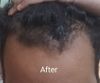
Using finasteride and peptides, including GHK-Cu, improved hair thickness and regrowth. The user also used a KLOW blend and CJC/IPA for better sleep and recovery.
A user in England seeks advice on where to get a custom blood test for DHT, PRL, estradiol, SHBG, testosterone, and free testosterone before starting dutasteride. They want a baseline measurement before beginning treatment.
A user received a prescription for Dutasteride 0.5 in Europe and asked about the brand. Replies confirmed the brand's quality and suggested using the cheapest gelatin capsule form.
The conversation is about hair regrowth progress using oral dutasteride (DUT) and minoxidil (MIN) over three months, with significant improvement noted. Users discuss potential future results and share personal experiences with similar treatments.
A user's 8-month progress on finasteride for hair loss treatment, with plans to continue for a full year. The user experienced initial shedding and scalp itch, which subsided, leading to hair growth. Other users discussed the necessity of continuous treatment to maintain results.
The conversation suggests Justin Bieber has had a hair transplant, with many users agreeing on the change in his hairline and discussing the commonality of hair loss and transplants among men, including celebrities. Some speculate he might also be using hair loss medications like minoxidil and finasteride.
Kintor Pharma successfully dosed the first patient in a Phase II trial for KX-826 for acne vulgaris. Users are more interested in results for male pattern baldness (MPB).
A 32-year-old is pleased with hair growth results from using oral finasteride (1.2mg) and minoxidil (3mg) without side effects, after switching from topical minoxidil. They report no shedding and increased facial hair density, and they purchase the combo pill from the Hims brand.
The user has been taking oral finasteride (1mg daily) and oral minoxidil (2.5mg daily) for about a year to treat hair loss and is unsure about the progress, considering switching to dutasteride and increasing the minoxidil dose. Photos were shared for comparison, and another user suggested continuing the current treatment unless the condition worsens.
A 22-year-old is considering starting finasteride for hair loss, questioning if their hairline is stable or if treatment is needed. They shared images of their hairline, which has been the same since their teenage years.
The user is trying RU58841, oral minoxidil, and dermarolling to combat hair loss caused by increased scalp testosterone after using finasteride and dutasteride. They plan to document their results.
A 30-year-old male shares his 6-month progress using 1mg oral finasteride and 2.5mg oral minoxidil, noting increased hair thickness and regrowth. He also mentions using supplements like biotin and cod liver oil and discusses the convenience of combined pills.
The user shared impressive hair regrowth results after 1.5 years using dutasteride (DUT) and oral minoxidil. They switched from finasteride and topical minoxidil due to lack of results and experienced no side effects.
A 30-year-old male switched from finasteride to a combination of dutasteride, oral minoxidil, and RU58841, achieving significant hair growth without side effects. He plans to add GHK-Cu peptide to his regimen for further improvement.
The user "Curious_Conflict_959" shared a progress picture of their hair transplant after 5 months. They used a low dosage of RU on native hairs and had PRP treatments. All hair loss has stopped.
Some users experience worsening hair loss with dutasteride and improvement after switching back to finasteride, while others find better results with dutasteride. The effectiveness of treatments like finasteride, dutasteride, minoxidil, and RU58841 varies, requiring individuals to try different combinations or dosages to find what works best.
The post discusses a phase 2 trial for HMI-115, a hair loss treatment, in China, specifically seeking volunteers aged 18-65 with Norwood 3 vertex, 4, and 5 hair loss. The conversation includes questions about the specific recruitment criteria and how to volunteer.
The conversation is about a user's progress with an oral treatment for hair loss using a stack of finasteride, minoxidil, and biotin over two months, noting stabilization after an initial shed. The user mentions using Hims Chews, which are effective but costly, and another user comments that biotin is ineffective.
Exosomes combined with fractional picosecond laser treatment were effective in treating androgenetic alopecia and promoting repigmentation in white hair patches. The role of exosomes in hair repigmentation, particularly in conditions like poliosis, is not well-studied.
The user shared their 6-month progress using 5mg oral minoxidil, 1mg oral finasteride, topical 5% minoxidil, tretinoin, and weekly microneedling, noting improved results after adding these treatments post hair transplant. They hope for continued improvement.
Crushing finasteride pills into stemoxydine may not be effective without removing the coating first. It's unclear if the pills dissolve completely or settle as sediment.
User shared 16-month progress using finasteride 1 mg/day and minoxidil 5% solution once/day, noting significant regrowth, especially in temporal peaks. Users discussed shedding, side effects, and positive feedback from others.
A 25-year-old male shared progress pictures after 50 days of treating hair loss with minoxidil and dermarolling. He previously tried finasteride but stopped due to side effects.
The user "natiggiz" shared their early progress in filling in bald patches using topical finasteride, minoxidil, RU58841, ketoconazole, and derma stamp. Other users commented on the great results and expressed jealousy.
High frequency ultrasonography and HR-MRI can help identify hair shedding causes like inflammation and fibrosis. The conversation discusses the potential of using these technologies to evaluate treatments like Verteporfin for hair regeneration.
The conversation discusses the potential benefits and risks of participating in the PP405 hair loss trials, emphasizing that those using Minoxidil or finasteride are less likely to be accepted. Participants are interested in the trial as it offers hope for effective treatment without the side effects associated with current medications.
A 35-year-old reported significant hair regrowth after six months of using daily oral finasteride (1mg), oral minoxidil (1.25mg), and topical minoxidil, with no major side effects except increased hair growth in unwanted areas. Noticeable improvements were seen around four months after starting finasteride.
A user underwent a hair transplant with 3500 grafts at WSC clinic in Istanbul and uses finasteride, biotin, multivitamins, minoxidil with finasteride, biotin shampoo, and coconut oil with peppermint oil for hair loss treatment. Another user commented that the result looks like a barren patch of hair.
The user shared their 5-month progress using oral finasteride, topical minoxidil, and weekly dermarolling for hair loss. They expressed pride in their results, receiving positive feedback from others.