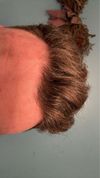
A 27-year-old Asian male is treating hair loss with 1mg oral finasteride, topical minoxidil twice daily, and 1.5mm microneedling weekly. The discussion is about his progress with these treatments.
A user is seeking recommendations for a minoxidil and tretinoin topical solution, including dosage and purchase locations in the US. They are looking for effective hair loss treatments.
The conversation discusses a 20-year-old transgender female's one-year experience with hair loss treatments, including Estradiol HRT, oral Finasteride, Bicalutamide, and Cyproterone. Specific treatments used for hair loss are oral Finasteride and potentially Estradiol as part of hormone replacement therapy.
Low-level laser therapy (LLLT) is discussed as a supplementary treatment for hair loss, with users recommending brands like LaserCap, Ideatherapy, Capillus Pro, and iRestore Pro. Users suggest combining LLLT with treatments like minoxidil and finasteride for better results.
A human trial of verteporfin, a potential treatment for hair loss, with some users noting potential improvements in scarring and overall healing compared to control areas.
The conversation is about a user's nearly 4-month hair loss treatment regimen, which includes dutasteride every other day, 0.25ml minoxidil on the hairline once a day, and using a 1.5 mm derma stamp every two weeks. Some responses question the need to start multiple treatments simultaneously, while others comment on the visible improvement and the necessity to continue treatment for sustained results.
Exploring hair loss treatments beyond DHT, including Minoxidil, pyruvate, Gt20029 targeting androgen receptors, and vasodilators. Other options like Kx826, adenosine signaling, growth factor topicals, and microneedling are also discussed.
The user is using dutasteride, oral minoxidil, and topical minoxidil with tretinoin for hair loss. They are considering whether to continue this treatment or opt for a hair transplant for their temples.
Users discussed using treatments like minoxidil, finasteride, dutasteride, and exosomes for hair loss. They reported thicker hair and reduced shedding, with some experiencing minor side effects.
The user plans to switch from minoxidil to finasteride or dutasteride for hair loss, while managing hormones with aromatase inhibitors and SHBG blockers. They seek advice on the best options for these treatments, considering past side effects and future therapies.
PP405 is expected to finish Phase 2 trials in late 2025, with potential market availability around 2028-2029 if all goes well. Current treatments like finasteride and minoxidil are still popular, while new options like KX-826 and Breezula are anticipated soon.
User seeks treatment to increase minoxidil efficacy. Suggestions include microneedling, oral minoxidil, and Tretinoin, with mixed experiences and side effects.
Common misconceptions about hair loss treatments include the belief that lower doses of finasteride are as effective as higher doses, and that ketoconazole is effective for androgenetic alopecia without scalp issues. Additionally, minoxidil's effects can be seen sooner than commonly thought, and topical dutasteride is effective.
12 companies having drugs or therapies in clinical trials during 2023, with various molecules and phases of trial; the probability that some may fail; and progress being made in the field.
The discussion is about whether to continue reducing finasteride dosage with already low DHT levels. Treatments mentioned include minoxidil, finasteride, and RU58841.
The conversation discusses DHT blocking treatments for hair loss, specifically mentioning Minoxidil, Finasteride, and organic flaxseed oil containing omega-3 fatty acids. It highlights skepticism about alternative treatments and emphasizes the proven effectiveness of Finasteride and Dutasteride.
Topical pirfenidone is highlighted as an effective anti-inflammatory and anti-fibrotic treatment for hair loss, particularly in addressing perifollicular fibrosis, which may enhance the effectiveness of standard treatments like finasteride and minoxidil. The user also uses calcipotriol, MCT oil, ciclopirox shampoo, and benzoyl peroxide shampoo as part of their regimen.
The conversation provides a detailed list of blood tests recommended before starting finasteride to establish a baseline for monitoring potential side effects. A shorter list is also provided for those with limited funds, and the user shares personal experience of using finasteride without issues for about nine years.
A user is seeking a prescription for DUT (Dutasteride) after limited success with finasteride and minoxidil for hair loss. They are advised to explore telehealth services for potential prescriptions.
The user is taking oral minoxidil, dutasteride, and finasteride but hasn't seen improvement in hair thickness. They experienced hair loss after switching from topical to oral minoxidil.
The post discusses a 21-month treatment of hair loss using Finasteride, a 13-month treatment with Minoxidil, and a 2-month treatment with Stemoxydine. Replies suggest enhancing results by adding a micro needling pen and tretinoin to the regimen, and consider Finasteride and Minoxidil as crucial treatments.
A user is considering stopping hair loss treatments, including finasteride, dutasteride, and minoxidil, due to lack of progress after 16 months. They plan to continue until October and are seeking advice and experiences from others.
Eucapil is discussed as a potential hair loss treatment with some believing it to be effective, though its efficacy compared to finasteride is debated. It is considered an anti-androgen treatment, often used alongside other treatments like minoxidil and finasteride, but lacks independent studies to fully support its effectiveness.
The potential effectiveness of topical dutasteride, as well as other hair loss treatments such as finasteride, RU58841, minoxidil, and various vitamins. Experiences from users who have used these treatments were shared.
The conversation is about hair loss treatments, with users recommending finasteride and minoxidil as effective solutions. Some users report side effects, but overall, the consensus is to use these treatments rather than waiting for a cure.
The user has not seen results from various hair loss treatments including finasteride, dutasteride, minoxidil, and others over several years and is considering adding RU58841 and starting hormone replacement therapy. They are also experiencing anxiety and contemplating moving to a more accepting environment for their nonbinary identity.
The user, a 27-year-old male, has been treating early hair loss with topical finasteride and minoxidil, then switched to oral finasteride and dutasteride, but has seen no improvement and plans to add oral minoxidil. Despite treatment, hair loss has progressed from Norwood 1-1.5 to Norwood 3, with noticeable thinning, especially on the left side.
The conversation discusses alternative hair growth treatments to minoxidil, including Stemoxydine, Tretinoin, adenosine, Baicalin, castor oil, Latanoprost/bimatoprost, and Redensyl. Users share their experiences and opinions on the efficacy of these treatments.