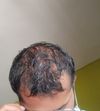
Switching from topical to oral minoxidil caused acne breakouts, leading the user to revert to topical use. Finasteride was also used, but acne was suspected to be linked to oral minoxidil.
The user is satisfied with hair transplant progress after 4 months, using finasteride, vitamins, shampoo, and serum for hair loss. Others compliment the results and anticipate further improvement.
Glycosaminoglycans are important for hair growth, and combining minoxidil with tretinoin and Biopeptide-CL may enhance hair growth by boosting glycosaminoglycan levels and improving the hair follicle environment. Users discussed the potential effectiveness and future of these treatments.
A user shared progress pictures showing significant hair growth over 3.5 months using Dutasteride, Minoxidil, and microneedling. They are pleased with the results but unsure how to style their growing hair.
The user asks about the order and compatibility of using topical minoxidil, stemoxydine, The Ordinary natural moisturizing factors + HA for scalp, RU58841, and Nioxin system 2 leave-in treatment. They seek advice on layering these hair loss treatments.
A user is taking 2.5 mg oral Minoxidil and was prescribed a topical oil with Minoxidil 8%, Dutasteride 0.05%, and Finasteride 0.5%. They are seeking opinions on whether this combination is excessive or appropriate.
Using liposomal solutions with dutasteride, minoxidil, and tretinoin worsened hair loss due to buildup and scalp issues. Consulting a professional and returning to simpler treatments like finasteride and minoxidil improved the situation.
The user had a hair transplant with Estenove, rating the overall experience 6/10 due to logistical issues, unmet expectations, and dissatisfaction with the results. They advise against pricier packages and express regret over the asymmetrical hairline, despite good customer service and post-op care.
The conversation is about personal experiences with Alfatradiol (Pantostin) for hair loss and whether it causes shedding similar to Minoxidil. People are sharing their experiences with this treatment.
A 33-year-old male has been using finasteride, minoxidil, ketoconazole shampoo, and recently added dutasteride, a minoxidil+tretinoin+azelaic acid solution, and derma stamping to treat hair loss for 5 months. There is confusion about the order of progress pictures, making it difficult to assess the treatment's effectiveness.
Hair loss may be linked to DHT, which can both suppress and increase inflammation, potentially as a defense mechanism. Treatments like Minoxidil, Finasteride, and RU58841 are discussed, but the exact cause of hair loss remains unclear.
Isopropyl alcohol should not replace ethanol in homemade topical finasteride serums due to potential toxicity with frequent use. Denatured ethanol, also known as parfum or cosmetic alcohol, is a safer alternative.
The user is using minoxidil and topical finasteride for hair loss and is seeking advice on whether to use a derma pen or derma stamp for microneedling, including the appropriate length and frequency. They previously stopped oral finasteride due to side effects.
The post and conversation are about a hair loss treatment stack without finasteride or dutasteride. The suggested treatments include Alfatradiol, Koshine826, Ketoconazole lotion, Minoxidil, microneedling, Tretinoin, and Stemoxydine.
A 23-year-old has been using topical minoxidil for 8 months and recently added finasteride for 1 month to address hair loss. They are also taking "Foilhair A" and have started microneedling.
The user is experiencing a second hair shedding phase and increased flaking and itching while using minoxidil 5% nightly and microneedling every two weeks, with needle length increasing over time. Other users suggest the hair loss may continue without the use of finasteride.
A 23-year-old male experienced initial success with finasteride, topical minoxidil, and ketoconazole for hair loss, but persistent shedding and scalp issues led him to switch to dutasteride without improvement. Users suggest stress management, addressing potential seborrheic dermatitis, and patience with the treatment process.
The conversation discusses using zinc sulphate and azelaic acid to inhibit 5 alpha-reductase activity, which could potentially treat androgen-related skin conditions like hair loss. Combining these with vitamin B6 could enhance the effect, potentially offering an alternative to finasteride.
Bimatoprost, latanoprost, and travoprost can aid hair regrowth but are costly and less effective than minoxidil. They work best when combined with minoxidil and finasteride.
The user shared progress pictures after 5 weeks of using 5% topical minoxidil, scalp massages, and microneedling for hair loss. They are considering adding finasteride but have decided to wait a few more weeks.
The user experienced side effects like shallow breathing, loss of libido, and erectile issues after using topical finasteride with minoxidil for hair loss. They are considering whether to continue the treatment despite these side effects.
The user shared positive results after using 5% minoxidil foam nightly and dermastamping weekly for hair growth, noting significant progress after three months. They plan to add finasteride in the future but are currently avoiding it due to age.
A user shared progress pictures after 25 days of using Minoxidil, microneedling, and recently started topical finasteride for hair loss. Some commenters are skeptical about the results, while others notice new hair growth.
RU58841, oral and topical minoxidil, finasteride, and ketoconazole shampoo led to significant hair regrowth, though some suspect a hair transplant. Concerns about RU58841's side effects, like anxiety and heart issues, were discussed.
The conversation is about the FDA approval of WINLEVI for acne treatment and the anticipation of Breezula, a hair loss treatment using the same active ingredient, which may indicate a positive future for Breezula's release. There is disappointment that Breezula's results are not optimal, but it is seen as progress in hair loss treatment.
The user has chronic itchy scalp and dandruff, unresponsive to ketoconazole, selenium sulfide, zinc pyrithione, coal tar, and salicylic acid. Topical steroids were also ineffective for long-term use.
A 25-year-old is using a combination of oral minoxidil, finasteride, RU58841, and topical dutasteride mixed with minoxidil to combat hair loss and hopes to see regrowth. They plan to update on the effectiveness of this regimen in a few months.