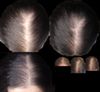
The conversation is about using micro needling and PTD-DBM for hair loss treatment. The user applies PTD-DBM drops on weekdays and performs micro needling weekly.
Clascoterone 5% topical solution shows promise for treating male-pattern hair loss by blocking DHT at the follicle without systemic absorption, potentially offering fewer side effects than oral treatments like finasteride. While results are promising, long-term safety and effectiveness need further study, and it may serve as a starting point for developing more effective treatments.
A 25-year-old male with seborrheic dermatitis and hair thinning seeks advice on the severity of his condition and treatment options. Oral finasteride and oral minoxidil are recommended as the most effective long-term treatments.
DutchFella1993 has been using a lotion with finasteride and minoxidil for hair regrowth with some success and is considering using ketoconazole shampoo daily to reduce scalp itchiness. There's concern about the harshness of daily shampooing and twice-daily lotion application, and one reply suggests that daily use of ketoconazole may damage hair and questions its effectiveness, while also noting that once-daily minoxidil application is sufficient.
The conversation discusses microneedling for hair regrowth, emphasizing the importance of disinfecting the scalp to avoid infections. It also mentions using minoxidil and castor oil in the treatment routine.
The conversation discusses whether applying topical Dutasteride right after microneedling could be as effective as mesotherapy for hair loss treatment. The user believes it makes sense and seeks opinions on this approach.
Hair loss discussion involved Finasteride, Minoxidil, and RU58841. User experienced sudden shedding after 1.5 years of Finasteride and Minoxidil use, seeking advice.
The user is exploring hair loss treatments in China, currently using finasteride and minoxidil, and is concerned about seborrheic dermatitis. Clinics are recommending selenium sulfide, doxycycline, and mesotherapy ampoules like PT88/PT66 or SP88/SP66, but the user is unsure about their effectiveness.
A user shared progress pictures after 6 months of using a topical treatment with 6% Minoxidil and 0.3% Finasteride, showing improved hair density. Other users encouraged the progress and suggested adding a derma stamp for better results.
The user has been using oral dutasteride and minoxidil for over a year without regrowth or stability, and hair loss continues. Suggestions include checking for inflammation, considering a scalp biopsy, and trying microneedling, topical anti-androgens, or a hair transplant.
A 30-year-old male is using a regimen of dutasteride, minoxidil, ketoconazole shampoo, tretinoin cream, and microneedling for hair regrowth. He reports no side effects and has noticed visual improvement after one month.
The user is using topical finasteride, minoxidil, nizoral shampoo, and microneedling for hair regrowth but hasn't seen results after 2-3 weeks. They added tretinoin to their routine and are advised to wait a few months for potential changes.
A user shared their hair regrowth progress using Dutasteride, topical Minoxidil, Spironolactone, and Estradiol Valerate injections as part of hormone replacement therapy for transitioning. They experienced significant hair improvement and personal satisfaction but caution against this approach for non-transitioning individuals due to irreversible changes.
A user shared their positive hair regrowth results after 4 months using topical minoxidil, a 0.5 dermastamp once a week, and ketoconazole shampoo. Some responses suggest adding finasteride to maintain results, while others praise the effectiveness of the treatments used.
The conversation discusses hair loss treatments, specifically the use of dutasteride, finasteride, and other methods like PRP, laser, and mesotherapy. Despite these treatments, the user is experiencing hair loss, and others suggest consulting a dermatologist, considering alternative treatments, and addressing potential scalp inflammation.
The user is experiencing slow but solid hair regrowth using topical finasteride, oral minoxidil, keto shampoo, microneedling, RU58841, and rosemary oil. Another user suggests being grateful for the dense coverage.
Clascoterone is a topical treatment for androgenetic alopecia, showing modest to moderate hair regrowth, and may be available by 2027-2028. It is considered safer than finasteride, with discussions on its effectiveness compared to RU58841 and pyrilutamide.
User is using a homemade topical treatment with .015% finasteride, 5% minoxidil, and microneedling at .75mm depth. They also use 2% ketoconazole shampoo, various oils, and are considering increasing finasteride concentration due to mixed results.
The conversation is about a user struggling with hair loss despite using dutasteride, finasteride, minoxidil, and dermaneedling. The user is considering other treatments but is hesitant to use RU-58841 due to side effects and is seeking advice on alternative solutions.
The user experiences irritation from alcohols in minoxidil and is considering alternatives like trichosol mixed with polyethylene glycol or DMSO. They seek advice on the best nonirritating option.
A 21-year-old is experiencing aggressive hair loss and dandruff, possibly due to seborrheic dermatitis, and is using pumpkin seed oil, scalp massages, and anti-dandruff shampoo as treatments. They are hesitant to use prescribed Finasteride and Minoxidil and have noticed some improvement after stopping Serenoa capsules.
The user reported healthier, firmer, and thicker hair follicles with minimal regrowth at the front after using Regenera Activa, topical finasteride, minoxidil, tretinoin, caffeine solution, and vitamin D supplements. Hair loss has stabilized with no side effects.
User is experiencing scalp itch and hair loss despite using Nizoral, Minoxidil, derma rolling, and Finasteride for 6 months. They are considering switching to Dutasteride.
Topical finasteride with hydroxypropyl chitosan shows significantly less serum absorption and minimal DHT reduction compared to oral finasteride. Users need the specific chitosan formulation to avoid side effects seen with regular ethanol+PG solutions.
The conversation discusses hair loss and bloodwork results, focusing on zinc, vitamin D, and ferritin levels. The user is experiencing telogen effluvium after surgery and seeks advice on supplementation.
The user shared progress pictures showing improved hair growth at the temples after 2.5 months using oral finasteride/dutasteride, ketoconazole shampoo, minoxidil, tretinoin, and dermarolling. The user reported no side effects from the medications and noted inconsistent microneedling.
The user experienced hair regrowth with dutasteride and oral minoxidil from October 2025 to January 2026, but mid-scalp density decreased afterward despite continued treatment. Ketoconazole improves scalp condition, but stopping it worsens hair appearance.
The user has been mixing finasteride with stemoxydine for hair loss and is considering switching to a less expensive product with a different ingredient list. They are questioning if the new product's higher water content compared to alcohol will affect the finasteride's solubility.
The user is frustrated with minimal hair regrowth after using dutasteride, oral minoxidil, and previously finasteride and topical minoxidil. Despite feeling discouraged, others suggest continuing treatment as progress can be slow and subtle, with some users noting visible improvement.
The user has been applying 2ml of 5% minoxidil and 0.1% topical finasteride daily for hair loss and started derma rolling a week ago. They are considering adding 0.025% topical dutasteride to their routine twice a week and are seeking advice.