The conversation discusses the use of spironolactone, cyproterone acetate, and bicalutamide for hair loss, with concerns about side effects like gynecomastia and depression. Topical spironolactone is considered safe for men and effective when combined with regular treatments.
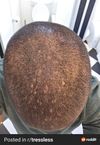
A user shared their positive hair regrowth results after 4 months using topical minoxidil, a 0.5 dermastamp once a week, and ketoconazole shampoo. Some responses suggest adding finasteride to maintain results, while others praise the effectiveness of the treatments used.
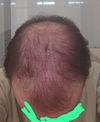
The user noticed small circular hairless spots after a buzz cut and has been using finasteride, dutasteride, and oral minoxidil for hair loss. They are experiencing continuous shedding and thinning, and it is suggested they consult a dermatologist for a scalp examination and possible biopsy to determine if it's alopecia areata or androgenetic alopecia.
The conversation discusses using shou wu chih or fo-ti/he shou wu for hair loss, with OP noticing stiffer beard and body hair. A user warns about potential liver damage from fo-ti and questions the effectiveness of alternative medicine.
The user is using a hair regrowth treatment plan that includes finasteride, microneedling, minoxidil foam, ketoconazole shampoo, and piroctone olamine shampoo. They are seeking advice on the effectiveness of their regimen and dosage of finasteride, and are curious about others' experiences with piroctone olamine.
A 26-year-old man shared his 6-month hair regrowth progress using 0.25% topical finasteride, 5% topical minoxidil, Trichosol, and weekly derma stamping. He plans to start using a lotion with dutasteride and azelaic acid.
A 22-year-old male has been using oral finasteride and minoxidil, along with microneedling and ketoconazole shampoo, for hair loss. He is concerned about midscalp progress and is considering switching to dutasteride.
The user is experiencing new hair growth after using oral dutasteride, topical minoxidil, and microneedling, but is concerned about black dots on the hairline, which might be clogged pores or dormant follicles. The user previously used a topical minoxidil/finasteride spray and had good results, despite a shedding phase after switching treatments.
The conversation discusses the importance of scalp skin barrier health in hair follicle cycling, suggesting treatments like ceramides or niacinamide to support hair growth. It also mentions the use of finasteride for hair loss.
The user is using topical minoxidil, topical finasteride, tretinoin cream, microneedling, and ketoconazole and caffeine shampoo for hair regrowth. They are satisfied with the progress but unsure if more regrowth is possible and are advised to continue the routine for a year.
The user mixed tretinoin with minoxidil and noticed hair regrowth after three months, despite initial dryness. Their regimen includes 0.5mg dutasteride every other day, daily topical minoxidil with 0.025% tretinoin gel, and ketoconazole shampoo twice weekly.
A user is considering exosome therapy from Springs Rejuvenation for hair loss after unsuccessful attempts with PRP, adipose injections, and a laser cap. They are intrigued by the therapy's potential and the clinic's guarantee of 30% improved coverage, despite concerns about FDA approval and high-pressure sales tactics.
Exosome therapy for hair loss is being discussed, with mixed personal experiences and no significant results reported by some users. The treatment is expensive, and users are skeptical about its effectiveness.
Exosomes are being discussed as a potential hair loss treatment, with some users skeptical about their effectiveness and stability. There is interest in different types of exosomes, including those derived from centella asiatica, and comparisons are made to other treatments like finasteride.
The user has been using pyrilutamide 0.5% for over 7 weeks, alongside dutasteride, and noticed some hair improvement, particularly at the temples. They plan to continue and possibly try a 1% solution, with no shedding or side effects reported.
The conversation is about the use of microneedling, specifically with a derma stamp, for hair regrowth. Users discuss their experiences, pain levels, and the satisfaction of taking control over hair loss, with some mentioning the use of Minoxidil to enhance results.
Biotin is being misleadingly marketed as a primary treatment for androgenic alopecia, overshadowing more effective treatments like finasteride and minoxidil. There is a call for increased awareness and accountability to prevent misinformation.
Dutasteride mesotherapy showed increased hair density and diameter without reducing serum DHT levels in a small study. However, the sample size was too small to make definitive claims about its efficacy.
Cassiopea claimed that their hair loss treatment, Clascoterone, shows comparable results to finasteride after six months of use. Some users believe Clascoterone could be an additional treatment option for those who do not respond to finasteride.
The user is using topical finasteride and minoxidil for hair loss and is considering adding rosemary oil, castor oil, and stemoxydine to their routine. They are asking if anyone has experience with this combination or a similar one.
The conversation discusses using topical cetirizine as a treatment for androgenetic alopecia (hair loss). Specific treatments mentioned include Minoxidil, finasteride, and RU58841.
The user is experiencing a greasy and dandruff-prone scalp from using RU58841 with glycerin and is seeking alternative carriers for seborrheic dermatitis. They are also using dutasteride 0.5mg.
A 27-year-old male experienced hair loss and dermatitis, which improved with tea tree oil and neem extract. He is considering using a 2% Ketoconazole solution for further treatment.
Hair loss treatment using 1mg Fin, 1mg Min, weekly dermarolling, and daily stemoxydine. Advice given: continue for 6 months and consider adding ketoconazole shampoo.
The user has been using finasteride for 6 months with decent results and recently added topical minoxidil. They are concerned that salicylic acid in their skincare products might reduce minoxidil's effectiveness.
A hair loss treatment plan includes finasteride, dutasteride, RU58841, pyrilutamide, minoxidil, and microneedling to inhibit DHT and promote hair growth. It also recommends supplements like Reishi and Lion’s Mane mushrooms, and a shampoo with ketoconazole, caffeine, and melatonin.
The user experienced significant hair regrowth using a regimen of 1 mg finasteride daily, minoxidil twice daily, ketoconazole shampoo weekly, dermastamping weekly, and tretinoin. They reported no side effects and emphasized the importance of committing to the treatment.
A serum with oleic and palmitoleic acids shows promise for hair regrowth in mice, but its effectiveness in humans is unproven. Minoxidil and finasteride remain the recommended treatments.
The user is experiencing severe hair shedding after using RU58841, stemoxydine, and minoxidil, and has stopped using finasteride due to side effects. They hope the shedding is temporary and will lead to regrowth.