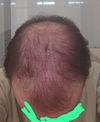
The user is experiencing a greasy and dandruff-prone scalp from using RU58841 with glycerin and is seeking alternative carriers for seborrheic dermatitis. They are also using dutasteride 0.5mg.
The conversation discusses a 4-month hair loss treatment progress using RU58841, topical Minoxidil, ketoconazole shampoo, and micro-needling. The user shares progress pictures taken at the start, after 1 month, and the current state, all under the same conditions.
The user stopped using finasteride after two weeks due to gynecomastia symptoms and shared blood work results questioning if they indicate a cause for the side effects. The user is considering restarting finasteride and seeking advice on their blood work levels in relation to gynecomastia.
The conversation discusses the potential long-term effects of stopping finasteride after extended use, with differing opinions on the existence and prevalence of post-finasteride syndrome (PFS). Some users report persistent side effects, while others argue that such effects are rare or unrelated to the medication.
The user reported healthier, firmer, and thicker hair follicles with minimal regrowth at the front after using Regenera Activa, topical finasteride, minoxidil, tretinoin, caffeine solution, and vitamin D supplements. Hair loss has stabilized with no side effects.
Hair loss treatment progress with Dut, Min, Keto, needling, and RU/Min/Fin/Dut topical. User noticed improvement, believes RU and needling most effective.
The user is frustrated with dermatologists who dismiss Minoxidil and finasteride as unsafe, instead recommending mustard oil, PRP, zinc supplements, and hair products. The user feels these suggestions are ineffective and is considering starting Minoxidil and finasteride despite the dermatologists' advice.
The user has been using topical minoxidil for over a year and added kx826/pyrilutamide to improve hair growth, avoiding finasteride due to side effects like lowered libido and panic attacks. They report positive results with reduced shedding and healthier hair, particularly in areas previously unresponsive to minoxidil.
The conversation discusses hair loss and treatments like finasteride, minoxidil, and ketoconazole shampoo. Users suggest scalp massages, warm showers, and other methods to address scalp tension and tight spots, with some mentioning the potential effects of medications like escitalopram and probiotics.
The user experienced another hair shed and plateau at month 5 using 6% minoxidil and 0.3% finasteride, with an itchy scalp indicating potential regrowth. They find the topical spray easy to use and saw results within two months, but caution that stopping use may lead to hair loss.
The user recently started topical dutasteride and microneedling, and has been using RU58841 and Minoxidil for 16 months. They are curious if small black dots at their hairline indicate hair regrowth.
The conversation is about experiencing hyper-trichosis from taking oral Castor Oil. The user reports increased hair growth on the stomach and legs but is not concerned as it is harmless and will stop when the treatment stops.
After gyno surgery, OP is considering restarting finasteride at a lower dose (0.25mg/0.5mg) or switching to topical to reduce the risk of gyno recurrence. Lower doses and topical application may lessen side effects due to reduced systemic absorption.
A user made a 70/30 ethanol/propylene glycol topical finasteride solution but noticed chunks at the bottom. The discussion focuses on this issue with the DIY hair loss treatment.
The conversation discusses a new study on topical pumpkin seed oil for hair loss in mice. Treatments mentioned include Minoxidil, finasteride, and RU58841.
A user is seeking feedback on a homemade topical finasteride formula for hair loss, consisting of 7.5 mg of finasteride, propylene glycol, ethanol, and distilled water. They aim to achieve a 0.0125% solution by applying 2 ml daily.
Breezula's effectiveness is uncertain, with some users skeptical about its potential and others noting its recent availability on the grey market. A user reported success with a stack of Dutasteride (oral), Minoxidil (topical), and RU58841 (topical), achieving significant hair improvement after 18 months.
CB-03-01 is considered a failed treatment for hair loss, with future hopes pinned on PP-405 and GT-20029, expected by 2030. Alternatives like hair transplants and SMP are discussed, while some users express frustration over the slow progress of treatments like Breezula.
The conversation discusses the effectiveness and skepticism around topical dutasteride for hair loss, with mentions of combining it with other treatments like minoxidil and oral medications. Some users doubt its efficacy due to lack of independent studies and potential conflicts of interest.
PP405 is being discussed as a potential hair loss treatment, possibly more effective than minoxidil. There are concerns about its effectiveness and product contamination, but some users report early signs of hair regrowth.
The conversation discusses using isotretinoin (Accutane) to reduce scalp oiliness and manage scalp issues like seborrheic dermatitis, inflammation, and chronic itch. A user shares that taking 20mg of Accutane every other day effectively reduces oily hair and skin.
A poem humorously suggests hope for a new hair loss treatment, PP405, while users debate the effectiveness and side effects of current treatments like Finasteride. Concerns are raised about Finasteride's side effects, especially for young users, and skepticism about new treatments is expressed.
A 30-year-old with diffuse thinning and a balding crown is using a treatment regimen of a 2-in-1 pill containing finasteride, minoxidil, and biotin, along with various supplements. After two weeks, no side effects have been experienced, and updates with pictures will be posted monthly.
Despite using dutasteride, RU58841, minoxidil, and ketoconazole for years, the user continues to experience severe hair loss and thinning. They seek advice after multiple dermatologists confirmed androgenetic alopecia (AGA) but offered no effective solutions.
The user has seen positive results after over six months using 0.05% topical finasteride, 5% minoxidil, 50mg/ml RU58841, weekly needling, and twice-weekly ketoconazole shampoo for hair loss. They express gratitude for the support from an online community and are open to questions about their treatment.
A 22-year-old female with AGA due to PCOS is using 5% minoxidil foam and 2mg finasteride daily, and is seeking advice on microneedling frequency and safety. Concerns about finasteride dosage and its effects on PCOS were discussed, with emphasis on trusting the prescribed treatment plan.
A user shared their 2-month progress using a topical solution with 6% Minoxidil and 0.3% Finasteride, applied nightly with a dropper. They reported no side effects and plan to update every 2 months.
The conversation discusses sourcing pure latanoprost from the gray market for research and making a homemade solution. Concerns about potential dangers and experiences with this method are raised.
Elevated PGD2 levels in bald scalp tissue may contribute to hair loss, and treatments like castor oil, finasteride, and minoxidil are discussed as potential solutions. Some users explore alternatives like oral castor oil and cetirizine for those who cannot use finasteride.