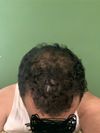
A user shared their 10-month progress using 1mg finasteride daily and micro-needling, noting significant hair regrowth and no side effects. They plan to add oral minoxidil to boost hair density.
A 21-year-old is seeking advice on using minoxidil for hair loss and asks about combining it with rosemary and coconut oil. The response suggests using finasteride to stop hair loss and minoxidil to regrow hair, and confirms that rosemary and coconut oil can be used alongside these treatments.
A user has seen no progress after 8 months on finasteride and minoxidil and is considering switching to dutasteride and adding microneedling or quitting and getting a hair system. Another user suggests adding microneedling and dutasteride and buzzing the hair down.
A user is considering switching from finasteride to dutasteride after minimal success with finasteride, minoxidil, and other treatments. Another user reports positive results with dutasteride after switching from finasteride.
A user shared a beard growth protocol involving hydration toner, azelaic acid, tretinoin, moisturizer, 5% topical minoxidil, and SPF 30+ sunscreen. The regimen spans a year to a year and a half, with specific application schedules for different phases.
A user has been using a topical hair loss treatment with finasteride, minoxidil, and tretinoin for 4 years without satisfactory results and is considering switching to a different product due to concerns about effectiveness and company reliability. They are seeking others' experiences with Strut and alternative products before making a change.
A user shared a 1-year update showing hair regrowth from taking 1mg Dutasteride and 2.5-5mg oral Minoxidil daily for Diffuse Unpatterned Alopecia. Some comments praised the results, while others criticized the user's behavior and questioned potential side effects.
A user switched from finasteride to dutasteride for hair loss and noticed significant thinning after one month. They are asking if others had a similar experience and if there was eventual improvement.
Switching from finasteride to dutasteride for hair loss can cause increased shedding, which may indicate the treatment is working by replacing old hairs with new ones. The original poster is experiencing aggressive hair thinning despite long-term treatment.
The conversation discusses hair loss treatments including oral minoxidil 5mg, dutasteride 1mg, and suggestions to use a derma stamp on the scalp. Some users believe these treatments can improve hair condition or at least stabilize loss, while one suggests considering a hair transplant after a year if desired.
A user on dutasteride and oral minoxidil for two years has experienced worsening hair loss and an itchy scalp. Suggestions include increasing medication doses, trying other treatments like RU58841, getting a scalp biopsy, and addressing potential inflammation through diet and topical treatments.
A user has been taking Finasteride for hair loss for 10 months with no results and is considering whether it's due to seasonal shedding or the medication not working. Other users suggest that the dosage might be too low, that some people don't respond to Finasteride, and recommend trying Minoxidil or Dutasteride.
A user shared their positive hair transplant results from Asli Tarcan Clinic in Turkey, costing $3,500 for 6,000 grafts and resulting in a full head of hair. They also take finasteride and dutasteride to maintain their hair.
A 19-year-old male shared his 3-month hair regrowth progress using finasteride, minoxidil, and microneedling, with noticeable improvement. He uses 1mg oral finasteride daily, 5% minoxidil foam twice a day after day 80, and microneedles with a 1.5mm derma stamp every 1-2 weeks.
The user shows hair regrowth after using Hims 2 in 1 finasteride/minoxidil spray and dermarolling, with visible improvement in two months. Replies suggest continued use and inquire about the need for a prescription and any side effects.
Someone switched from topical minoxidil to oral minoxidil and found it more effective and convenient, reporting improvements in hair, eyebrows, eyelashes, and beard without scalp issues. They are seeking long-term experiences from others who made the same switch.
The post discusses a user's experience with hair loss treatments, specifically topical finasteride, minoxidil, and micro-needling, and their plan to switch to oral versions and add Dutasteride. The conversation includes various responses, with some users sharing their own experiences and side effects, and others expressing desire for a more permanent hair loss solution.
A 25-year-old female is experiencing hair loss and has tried PRP, Minoxidil 5% with Biotin, and weekly needling sessions. Her doctor suggested switching to GFC treatment and stopping the needling sessions due to increased shedding, which may be caused by Minoxidil.
A 24-year-old male using topical finasteride for hair loss is experiencing thinning despite treatment and has high estrogen levels. He is seeking advice on whether high estrogen could be causing hair loss and how others with high estrogen levels have addressed it.
A 7-month update of hair regrowth achieved by using daily topical finasteride and minoxidil, combined with weekly microneedling. It is also noted that the results are different for females.
The conversation discusses the use of vasodilators like Minoxidil, L-arginine, and Niacin for hair regrowth, with Minoxidil causing intolerable side effects for the original poster. It also highlights that certain medications, including Lisinopril, antidepressants, and statins, can cause hair loss.
A user trying to avoid an expensive hair transplant, and the replies suggesting they wait two years on treatment before deciding if they need a transplant or not.
A user experimenting with quitting using Minoxidil and replacing it with Finasteride and Stemoxydine in order to keep hair loss gains, but other users warning the original poster of potential shedding. Another user suggested phasing out Minoxidil and replacing it with Finasteride and microneedling instead.
User experiencing hair loss on dutasteride; others suggest shedding is normal and to track progress with pictures. Some mention using RU58841 for improvement.
User started using Pantostin Alfatradiol after watching haircafe on YouTube and noticed thicker hair. They wonder why it's not more popular, as it's a 5α-reductase inhibitor with a different mechanism than minoxidil.
A user ordered a topical dutasteride gel with tretinoin for hair loss after unsatisfactory results with minoxidil and finasteride. Another user shared their experience with the same product, noting its pleasant smell and feel but difficulty in application and uncertainty about its absorption and frequency of use.
Clascoterone (CB) shows an excellent safety profile with no serious side effects, but its effectiveness may decline after six months, making it more suitable as an adjunct treatment with finasteride and minoxidil rather than a standalone solution. Some argue it could be better than finasteride due to its protection against testosterone, but its long-term efficacy remains debated.
The conversation discusses using oils like pumpkin seed, rosemary, peppermint, and grape seed oil for hair regrowth, claiming they can be as effective as finasteride or minoxidil without side effects. Some users remain skeptical and prefer proven treatments like minoxidil.
Treating alopecia androgenetica with limited options, such as spironolacton, dutasteride, finasteride, minoxidil 5%, Rogaine foam for men, a shampoo with ketoconazol, iron supplement and dermarolling.