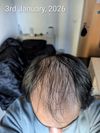
Microneedling with topical minoxidil is effective for hair regrowth, especially with finasteride. Users report fewer side effects compared to oral minoxidil.
A 31-year-old man is experiencing hair loss, using minoxidil with mixed results, and has started finasteride. He is considering a hair transplant if these treatments are ineffective.
The user has taken 0.5mg of finasteride daily for 1 year and 4 months, experiencing hair regrowth and thicker hair without significant side effects. They avoided minoxidil due to side effects and noticed improvements starting at 2-3 months, with significant results at 6-8 months.
Before getting a hair transplant, it's crucial to research and understand that ongoing treatments like finasteride, dutasteride, or minoxidil are necessary to maintain results. Concerns were raised about Turkish clinics, including overharvesting grafts, lack of regulations, and discouraging finasteride use.
User started oral finasteride 0.33mg daily and later made a topical solution with cetirizine and stemoxydine. They experienced hair growth progress after 8-9 months and discussed factors affecting their results.
The conversation discusses hair regrowth treatments, specifically using finasteride, minoxidil, and microneedling with the Derminator. Users report significant improvements, especially after adding microneedling to their routine.
Using a combination of topical minoxidil and finasteride, plus microneedling, to treat hair loss; the progress made by the original poster over 6 months; the potential for further results with longer use; and the possibility of seeking alternatives such as a hair transplant or system.
A 21-year-old is using oral dutasteride and topical minoxidil 5% to treat hair loss, noticing reduced shedding and new hair growth, especially around the hairline. They experience mood changes as a side effect of dutasteride and are hopeful about continued progress with this treatment combination.
A 29-year-old male experienced significant hair regrowth over 8 months using a protocol of oral Minoxidil, Dutasteride, Pyrithione Zinc Shampoo, and peptides GHK-CU, BPC-157, and TB-500. The treatment led to improved scalp coverage, reduced hair loss, and thicker hair, although results may vary for others.
The user experienced significant hair shedding after starting finasteride and minoxidil but saw improvement over time. They switched to dutasteride and added oral minoxidil, hoping for better results despite expecting more shedding.
Low doses of dutasteride are as effective as higher doses for hair regrowth, with fewer side effects. Users find success taking it 2-3 times a week instead of daily.
The user experienced significant hair thinning and scalp irritation after three months of using topical finasteride. Suggestions include that shedding is normal before regrowth and switching to oral finasteride or addressing scalp inflammation might help.
The user experienced significant hair regrowth using a nightly topical spray with 0.3% finasteride and 6% minoxidil, without side effects. Noticeable improvements were seen within three months, with continued progress over time.
A 35-year-old man had a 6400 graft hair transplant in Turkey after years of baldness, using finasteride, oral and topical minoxidil, and scalp micropigmentation. He is satisfied with the progress and plans further SMP touch-ups to enhance results.
A 24-year-old male has been using oral Minoxidil (2.5mg daily) and daily Dutasteride for hair loss, noticing slight thickening but no major regrowth. Users suggest increasing Minoxidil dosage to 5mg and maintaining consistency, with some recommending additional treatments like topical Minoxidil or considering a hair transplant in the future.
The user regrets stopping finasteride and minoxidil due to increased hair loss. They have resumed these treatments and are considering a hair transplant.
Finasteride may affect male offspring's fertility and hormonal balance, with debates on whether to discontinue use before conception. Some users report no issues, while others highlight the high doses used in rat studies.
Hair loss treatments like minoxidil, finasteride, dutasteride, and RU58841. Users stress early prevention and discuss challenges with different hair loss patterns.
Inconsistent minoxidil use led to hair loss, prompting a plan to resume consistent application with derma stamping, red light therapy, and DHT blockers like clascoterone or RU58841. The user avoids finasteride and dutasteride due to past side effects.
Stopping minoxidil will likely result in losing any gains made from its use, potentially returning hair to its pre-treatment state or worse due to ongoing hair loss. The user plans to continue using finasteride and undergo a hair transplant, hoping it will compensate for any loss from stopping minoxidil.
There is no permanent cure for hair loss; treatments like finasteride, minoxidil, and hair transplants require ongoing use and are not universally effective. Genetic complexity and financial incentives for ongoing treatments hinder the development of a definitive cure.
Doctors recommend starting with minoxidil for hair loss due to its lower risk of side effects compared to finasteride. Some believe finasteride should be used early to address the root cause, but a conservative approach is preferred by medical professionals.
Many users have maintained their hair using finasteride, with some also using minoxidil or dutasteride, reporting minimal side effects. Opinions vary on the necessity of DHT, with some users arguing its importance beyond puberty, while others believe it is unnecessary and that finasteride and dutasteride are safe and effective for hair maintenance.
Finasteride and dutasteride can affect sexual function, cognition, and mood. Alternatives like minoxidil, pyrilutamide, and alfatradiol have varied effectiveness and side effects.
Finasteride, dutasteride, and minoxidil are discussed as treatments for male pattern baldness. Finasteride and dutasteride are effective DHT blockers, while minoxidil is necessary for regrowth but must be used consistently.
Finasteride users discuss the impact of creatine on hair loss, with mixed personal experiences and no definitive evidence linking creatine to increased hair loss. Some report shedding, while others see no change, and a new study suggests creatine does not increase DHT or cause hair loss.
Many people are switching from Finasteride to Dutasteride for hair loss treatment, believing Dutasteride to be more effective and sometimes experiencing fewer side effects. Some users report initial shedding with Dutasteride but suggest it may lead to better long-term results, while others experience side effects or choose to combine treatments like Minoxidil.
Some prefer hair systems for better appearance and confidence, while others find them costly and inauthentic. Alternatives like minoxidil, finasteride, and hair transplants are also considered.
The user regrets not starting finasteride at 1 mg daily from the beginning, as they feel their initial microdosing was ineffective. They are now on the standard dosage and hope to see improvements in hair loss over the next few months.