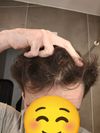
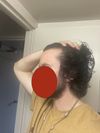
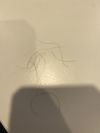
The conversation is about hair shedding while using finasteride. One user experienced increased hair loss, while another had no shedding but also no regrowth with finasteride and minoxidil.
The post and conversation are about a user who made their own Platelet-Rich Plasma (PRP) for hair loss treatment at home, using their own blood and a centrifuge. The responses vary, with some users supporting the DIY approach to save money, others expressing concern about the safety and effectiveness of the method, and a few joking about the lengths people will go to combat hair loss.
A 43-year-old male has been using oral minoxidil, finasteride, and dutasteride for hair loss, with some stabilization and thin hair growth but no significant cosmetic improvement. He is considering increasing microneedling frequency and exploring other options, as he is concerned about the lack of terminal hair growth.
The user has been using 0.25mg finasteride daily for about a year and is considering adding oral minoxidil but is concerned about potential side effects. Most responses suggest sticking with finasteride, possibly increasing the dose, and avoiding oral minoxidil due to its side effects, with some recommending topical minoxidil instead.
It can take 2-3 years to see significant results from finasteride and minoxidil, with initial shedding and stabilization occurring within the first year. Some users experience slowed hair loss without regrowth, while others see improvement after a longer period.
A user experienced sudden hair loss after 8 months on finasteride and minoxidil with tretinoin. Suggestions included stopping tretinoin as it might cause hair loss in some individuals.
A long-term finasteride user is considering switching to dutasteride due to hair loss progression. Users share experiences with switching, noting side effects and varying effectiveness, with some experiencing shedding and others maintaining their hairline.
A 20-year-old has been using finasteride and minoxidil for 4.5 months, noticing reduced hair shedding and seeking advice on potential for increased hair density and hairline regrowth. They also use a dermaroller weekly but inconsistently.
The user has experienced hair loss stabilization with dutasteride and oral minoxidil but is considering adding RU58841 for potential regrowth. Another user advises that it may take up to 36 months for full results with dutasteride and warns of possible side effects with RU58841.
The conversation is about a user's progress with an oral treatment for hair loss using a stack of finasteride, minoxidil, and biotin over two months, noting stabilization after an initial shed. The user mentions using Hims Chews, which are effective but costly, and another user comments that biotin is ineffective.
Hair regrowth from treatments like finasteride, dutasteride, and minoxidil can take several years, with most visible results appearing within 1-2 years and potential improvements continuing up to 10 years. Consistency and patience are crucial for achieving maximum hair thickness, as hair miniaturization and regrowth are gradual processes.
The user experienced significant hair regrowth in 90 days using 1.25 mg finasteride daily and topical 5% minoxidil once a day, with noticeable thickening of eyebrows and eyelashes. Despite the progress, the user plans a hair transplant due to traction alopecia affecting the hairline.
Stopping finasteride and minoxidil can cause significant hair shedding, so they should be continued indefinitely. Concerns about finasteride affecting fertility or causing birth defects are mostly unfounded, but some stop for personal reasons.
The user has been using oral finasteride, oral and topical minoxidil, RU58841, and microneedling to treat hair loss, with recent additions of oral dutasteride, GHK-Cu serum, and increased microneedling. They report visible thickening and new hair growth, expecting significant improvement by next June.
The user has been using oral minoxidil and dutasteride for hair loss without success and is considering adding topical 17α-estradiol, Pyrilutamide, Clascoterone, or cetirizine. They have confirmed low serum DHT levels and are exploring additional treatments due to genetic sensitivity to DHT and prostaglandin D2.
Switching from finasteride and topical minoxidil to dutasteride and oral minoxidil caused a major hair shed, exacerbated by moving stress. Dutasteride may take months to fully integrate, and adding finasteride might help with hair protection during this transition.
Increased hair shedding after starting Dutasteride is normal and indicates treatment efficacy, as it triggers a synchronized shedding phase to make way for stronger hair growth. It is advised to continue with the current treatment plan and assess results in 9 to 12 months.
The user is switching from oral to DIY topical finasteride due to side effects and is using a solution with 10 mg finasteride in a 100 mL mixture. They are concerned about the effectiveness of the formula due to white sediment forming in the solution.
Creatine is unlikely to worsen hair loss for those on finasteride, with no strong scientific evidence linking it to increased hair loss. Many users report no negative effects on hair while using creatine.
The user started oral finasteride and minoxidil in November 2024, initially saw improvement, but has experienced increased shedding since April 2025. They are concerned the treatment may not be effective anymore and seek advice.
OP is using 0.5 mg Dutasteride and 2.5 mg oral Minoxidil for hair loss and considering a hair transplant. Most users suggest waiting 1-2 years to maximize results from the medication before opting for a transplant.
The conversation discusses a user's two-year experience using oral dutasteride and minoxidil for hair loss, noting initial gains and stabilization over time, with some concerns about shedding and a weak spot at the crown. The user also mentions using testosterone cypionate and reports no significant side effects, except possibly dry eyes.
The user experienced hair regrowth using finasteride for 2 years, minoxidil for 2 months, and microneedling once a month. They reported no side effects and used 5% topical minoxidil in liquid form.
A 24-year-old experiencing hair loss received advice from four dermatologists, with most recommendations focusing on using minoxidil and finasteride. The consensus among users was to start with finasteride and consider adding minoxidil later, while expressing concerns about potential side effects.
A user decided to buzz their thinning hair after starting Dutasteride, feeling liberated by the change. Other users shared similar experiences, with some using treatments like Finasteride and Minoxidil to manage hair loss.
A user with low ferritin and zinc levels is asking if others have seen hair improvement after taking iron supplements. They were prescribed minoxidil and finasteride by their doctor.
A user is frustrated with long-term hair loss despite using Dutasteride and Ketoconazole shampoo. Suggestions include trying oral Minoxidil, micro-needling, and a homemade caffeinated rosemary tonic.
A female user is experiencing heavy hair shedding and receding temples, possibly due to low ferritin levels. She is using oral minoxidil, iron supplements, and ketoconazole shampoo, and is hesitant to start spironolactone.
The user is happy with their hair loss treatment after a year, using a topical finasteride/minoxidil gel, minoxidil foam, ketoconazole shampoo, and a dermastamp with no side effects, emphasizing consistency. Replies praise the results and encourage continued use.
Using 2% ketoconazole shampoo reduced hair shedding significantly, while 1% did not. The user wonders if hair loss was due to seborrheic dermatitis and if stopping workouts also affected this.