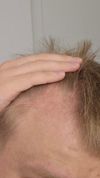
Finasteride is discussed for hair loss treatment, with opinions divided on its safety and effectiveness. Some consider natural remedies, but these may also affect hormones.
DHT affects hair follicles, contributing to hair loss, but the exact mechanism is unclear. Treatments like finasteride and minoxidil are used to manage hair loss, though they may have side effects and varying effectiveness.
Finasteride is seen as risky for men due to side effects like erectile dysfunction, while hormonal birth control for women is normalized despite its side effects. The discussion points out a double standard influenced by societal and gender norms.
Creatine may cause hair shedding and texture changes, with mixed user experiences. Combining creatine with finasteride doesn't always prevent these effects, possibly due to individual DHT sensitivity.
The conversation discusses the confusion over low testosterone potentially causing hair loss, with users sharing personal experiences and knowledge about hair loss treatments like Finasteride. Some users suggest that hair follicle sensitivity to DHT, not testosterone levels, is the key factor in balding, and others discuss the side effects of hair loss medications.
User experienced shortness of breath, high blood pressure, red eyes, and eye floaters after using RU58841 for hair loss. They warn others to avoid RU58841 and stick to finasteride, minoxidil, and dutasteride.
A user shared their 10.5-month progress using oral finasteride, topical minoxidil, a derma roller, biotin, and Omega 3, despite losing over 150 hairs daily. They also mentioned starting "bald showers" after leg workouts for the last two months.
Finasteride can continue to improve hair loss for up to 10 years, with the best results seen when started early. Combining treatments like minoxidil, dermarolling, or RU58841 may enhance effectiveness.
The user experienced improved hair at 6 months using 0.5 mg finasteride daily but noticed more scalp visibility and potential hair loss at 13 months, questioning if this was due to shedding or the treatment not working. Some respondents suggested the possibility of a shed or scalp inflammation, while others observed improvements or advised checking for underlying scalp conditions.
Seborrheic dermatitis can cause hair loss, and treatments like ketoconazole shampoo, topical steroids, and oral antifungals may help. Some consider using finasteride and minoxidil for hair loss despite dermatitis.
The conversation is about the difference in hair loss between bodybuilders in the "Golden Era" and modern bodybuilders. Some users speculate that factors such as the types and doses of steroids used, genetics, diet, microplastics, and overall health may contribute to hair loss. Hair loss prevention medication and transplants are mentioned as potential treatments.
The conversation discusses a hair loss treatment regimen involving high doses of dutasteride, finasteride, and minoxidil, with concerns about safety and potential side effects. Users advise against the excessive use of these medications, suggesting more moderate approaches and consulting a doctor.
The user switched from finasteride to 1mg dutasteride daily due to continued hair loss and is also using minoxidil and rosemary oil. They are seeking advice on whether to increase the dutasteride dosage for better regrowth.
Switching from finasteride to dutasteride can worsen hair loss for some men due to increased testosterone levels. Topical treatments like RU58841 and Pyrilutamide are suggested to counteract these effects, but individual responses vary.
User on finasteride for a decade and oral minoxidil for a month asks about Nizoral shampoo's effectiveness and usage. Dermatologist suggests it may help with seborrheic dermatitis and hair loss, but not necessary; others share mixed opinions.
Using dutasteride or finasteride can increase free testosterone, which may convert to estradiol, potentially causing side effects like increased estrogen levels. Individual responses vary, and some users report changes in cholesterol, hair texture, and side effects like gyno or increased sex drive.
The user is experiencing a receding hairline and is considering treatments. They are seeking advice on whether to use finasteride, minoxidil, or both for hair preservation and potential regrowth.
Two different experiences of using Pyrilutamide, a hair loss treatment, which caused headaches that took around a week to subside in both cases. Other users offered insight into their own experiences with the treatment or suggested alternate treatments such as RU58841 and Minoxidil.
Hair loss treatments and celebrity hair maintenance, mentioning finasteride, minoxidil, RU58841, biotin, ketoconazole, saw palmetto, dutasteride, and Nutrafol. The tone is satirical, speculating on celebrities' use of hairpieces and transplants.
Creatine does not cause hair loss, despite many users reporting personal experiences of hair shedding. Scientific evidence shows no link between creatine and increased hair loss or hormone changes.
Creatine might speed up hair loss in those prone to male pattern baldness, possibly due to increased DHT levels. Some users experience no issues when using creatine with treatments like finasteride, minoxidil, or dutasteride.
Creatine does not directly cause hair loss but may increase DHT levels, potentially worsening hair loss in those predisposed to male pattern baldness. Users have mixed experiences, with some reporting increased shedding and others seeing no effect.
The user had high DHT levels after 8 months on dutasteride, questioning the drug's authenticity. They got dutasteride from a legitimate source and will update on progress.
The conversation is about whether creatine causes hair loss in individuals who are taking finasteride or dutasteride for hair loss. Some users report experiencing hair loss when taking creatine, while others do not. There is no consensus on the issue.
A user noticed worsening hair loss and is considering treatments. They plan to use finasteride, Rogaine, and a ketoconazole shampoo, and seek advice on their effectiveness and usage.
A user in Turkey was advised by a dermatologist to avoid finasteride due to its hormonal effects and was prescribed minoxidil, shampoo, and vitamins instead. The user is considering seeking another doctor's opinion or buying finasteride directly from a pharmacy.
Many younger men are experiencing hair loss due to genetics, diet, stress, and lifestyle changes. Treatments like finasteride and minoxidil are mentioned, with some users noting improvements.
A user shared their hair progress after three steroid cycles, using 5% minoxidil and 100mg RU58841 daily. They are considering a hair transplant due to paranoia about shedding.
Dutasteride is preferred over finasteride for hair loss due to fewer side effects. Combining dutasteride with minoxidil and RU58841 is effective for hair regrowth, even during steroid use.
To minimize hair loss while using steroids, use finasteride or dutasteride and apply topical anti-androgens like RU58841. Avoid high doses of hair-toxic steroids; prefer testosterone, nandrolone, and boldenone.