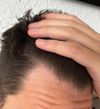
The user is using ketoconazole shampoo, 5% minoxidil, and microneedling for hair loss treatment. It's suggested that adding a DHT suppressant like finasteride could improve results.
Mesotherapy Dutasteride is considered highly effective for reducing scalp DHT and potentially reversing hair loss. However, one user reported systemic side effects and no improvement in hair loss.
Hair loss treatments, specifically about the effectiveness of RU58841 compared to Pyrilutamide. Molecular weights and side effects were discussed in terms of efficacy and cost-effectiveness.
Finasteride can affect hormone levels, potentially causing symptoms like puffy nipples and testicular pain, and may result in elevated prolactin and high testosterone. The user is seeking interpretation of these changes after taking finasteride.
Dr. Kyle Gillet mentioned on Dr. Andrew Huberman's podcast that dutasteride mesotherapy blocks DHT conversion only in the scalp and is the most promising topical treatment. Users discussed concerns about systemic absorption and the practicality of dutasteride injections.
The user is experiencing hair loss and has been using RU58841 but is considering pyrilutamide and minoxidil, avoiding finasteride due to side effects. Another user suggests finasteride or dutasteride as essential, possibly in topical form, while dismissing saw palmetto as ineffective.
Topical dutasteride may not significantly reduce hair loss and could potentially increase testosterone, leading to further hair loss. Users report side effects like mood changes, sleep issues, and severe side effects, with no significant progress in hair regrowth.
User shared a 1-year update on finasteride, noting thicker hair but mild side effects like reduced libido and mild ED. Considering reducing the dose from 1mg to 0.5mg daily to alleviate side effects.
The user is using topical minoxidil and finasteride with good results and is considering adding stemoxydine 5% to their regimen. Another user suggests trying it if financially feasible, as results can vary.
Redensyl, Capixyl, and Procapil combined are compared to 5% Minoxidil for treating hair loss. The discussion focuses on the effectiveness of these treatments.
The conversation discusses using a combination of finasteride, spironolactone, minoxidil, retinol, azelaic acid, and caffeine for hair loss treatment. The user inquires about the limitations of these drugs and whether tretinoin would be more effective than retinol.
The user is using Finasteride gel and considering adding Redensyl to their routine, along with weekly microneedling, but is hesitant to use Minoxidil due to its initial shedding phase. They seek advice on the safety and ideal routine for combining these treatments.
Using Dutasteride as a hair loss treatment and its potential benefits, including availability in certain countries without a prescription and lower side effects than Minoxidil or RU58841.
A 20-year-old male has been using a topical mix of finasteride, minoxidil, and tretinoin for five months without seeing significant hairline improvement. He is considering adding oral dutasteride or a hair transplant for better results.
The conversation discusses the use of TRT, dutasteride, minoxidil, and potentially RU58841 for hair loss. Concerns about the risk of developing Cutis verticis gyrata with minoxidil and TRT are raised.
Theaflavin, a black tea extract, may inhibit DHT and androgen receptor activity, but its effectiveness for hair loss is debated. Users report no significant improvement with theaflavin, while some find beta sitosterol helpful.
A 27-year-old male physician improved hair density using minoxidil 5% foam and finasteride 1mg every other day, with initial sexual side effects that subsided. He recommends trying finasteride for a year but warns against dutasteride due to potential liver effects.
A 23-year-old user shared progress pictures after 5 months of using 1.25 mg finasteride, 2x daily topical minoxidil, weekly derma stamping, and occasional Nizoral and mixed topical for dandruff. They report reduced shedding and seek advice on when to confidently grow out their hair.
Topical finasteride results in plasma levels 100 times lower than oral finasteride, potentially reducing systemic side effects. Users report similar efficacy with fewer side effects, suggesting a preference for topical application.
A user's experience of slowing hair loss while taking minoxidil and finasteride, and the various treatments suggested to help halt or reverse the process.
The conversation discusses hair loss treatments, focusing on the use of topical minoxidil, microneedling, finasteride, and dutasteride, while debating the role of testosterone and DHT in hair loss. It also touches on the potential liver health impacts of these treatments and the genetic sensitivity of hair follicles to androgens.
People on testosterone replacement therapy (TRT) with aggressive androgenetic alopecia (AGA) discuss using Dutasteride or Finasteride, sometimes combined with topical treatments like RU58841 or CB-03-01 (Breezula), to prevent hair loss. Concerns about side effects and costs of certain treatments are mentioned, with one individual sharing their experience of slowed hair loss using Finasteride alone.
The user reported positive hair regrowth after 5 months using Minoxidil, red light therapy, and lifestyle changes, including dietary improvements and stress reduction. They chose natural supplements like saw palmetto and beta-sitosterol over pharmaceutical DHT inhibitors like finasteride.
User switched from finasteride and minoxidil to dutasteride, experienced side effects, then took dutasteride once a week with improved hair density. Another user had success with daily dutasteride, while one had no results from topical dutasteride.
Adding RU58841 to Dutasteride treatment helped reduce hair shedding significantly for several users. Some reported no change with RU58841, while others experienced a dramatic decrease in shedding and increased hair density.
PP405 might make minoxidil unnecessary, but finasteride or other 5AR inhibitors may still be needed. PP405 is expected to be expensive and not available until at least 2028, with limited information on its effectiveness.
A 22-year-old male has been using finasteride for 4 months without major side effects but is concerned about hormone test results showing low SHBG and high estrogen. He plans to consult a doctor and is considering alternatives like minoxidil or topical finasteride to avoid health issues.
The user is seeking advice on the best treatment for male pattern baldness, diffuse thinning, and retrograde alopecia, comparing the effectiveness of finasteride, RU58841, and dutasteride, and considering whether to add minoxidil or switch to dutasteride or combine treatments. They are currently on finasteride and are contemplating if adding RU58841 or switching to dutasteride is better, and also asking about the comparison between pyrilutamide and RU58841.