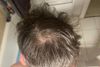
The post and conversation are about microneedling as a treatment for alopecia. It provides a comprehensive review of scientific literature on the technique and its application.
A user with stage 3 baldness is seeking advice on microneedling for hair growth, including pre and post-care, washing routines, and the use of hair growth serums or oils. They also inquire about the effectiveness and safety of microneedling pens.
Microneedling on the vertex may require trimming hair to ensure needles reach the scalp effectively. Using a needle length of 1.0–1.5 mm is suggested, and longer hair might get damaged if not cut.
The conversation discusses scalp itching and tenderness after microneedling, despite using medicated shampoos and proper sanitation. The user plans to see a dermatologist and is concerned about possible infection or allergic reaction.
Microneedling should target depths of 0.5mm to 1.5mm for hair loss, with weekly sessions at 1mm recommended. Combining microneedling with Minoxidil is common for improved results.
The user experienced chest pain and increased heart rate after microneedling while using topical minoxidil for hair loss. They are unsure if minoxidil is effective without microneedling.
Microneedling is supported by research as an effective adjuvant treatment for hair loss, especially when combined with Minoxidil or Finasteride, with minimal side effects if done properly. Concerns about long-term safety and potential risks like infection or fibrosis remain, but many users report positive results.
User is considering microneedling to enhance hair regrowth after limited response to minoxidil and better results with finasteride and ketoconazole shampoo. Recommendations include using a 1.5mm derma roller once a week, avoiding minoxidil on microneedling days, and disinfecting the roller with isopropyl alcohol.
The conversation discusses the correct method of microneedling for hair loss, questioning whether it should be done on areas with long hair without risking hair damage, and if it's necessary for improving blood flow to existing hair. No specific treatments were mentioned.
Microneedling's effectiveness for hair growth is debated, with some suggesting it enhances minoxidil absorption, but evidence is inconclusive. Concerns exist about its impact on hair transplants, and opinions vary on its use with other treatments like RU58841 and stemoxydine.
A user shared progress pictures showing significant hair regrowth after using 1mg finasteride and weekly microneedling for about 2.5 to 3 months. The user reported no side effects and maintained good health and mood.
The conversation discusses concerns about microneedling potentially causing damage before a hair transplant, with users sharing their experiences and techniques. Specific treatments mentioned include using a dermapen at various depths and speeds, with some users advising against self-treatment.
Microneedling is still considered effective for hair growth, especially when combined with minoxidil, though it is time-consuming. Some users report significant success with consistent use, while others find it less popular due to the effort required compared to topical treatments alone.
Microneedling promotes hair growth by increasing circulation and collagen production, with gains potentially lasting longer than those from minoxidil. Some users report sustained results after stopping microneedling, unlike with minoxidil and finasteride.
The conversation is about using RU58841 and microneedling (1.5mm) for hair loss. The user seeks advice on whether to avoid applying RU58841 on microneedling days to prevent it from becoming systemic.
The conversation is about someone experiencing a lot of bleeding from using a 1.0mm microneedling device for hair loss treatment and asking if it's normal. Various users suggest that the bleeding is excessive and recommend using shorter needles or less pressure, while others share their own microneedling practices with different needle lengths and no bleeding.
The conversation discusses microneedling techniques and the use of Minoxidil, copper peptides, EGF, FGF, ceramides, and hydration serums to enhance hair growth. It explores optimizing scalp conditions and the potential benefits of various compounds in conjunction with microneedling.
The conversation discusses hair regrowth using dissolvable microneedles loaded with rapamycin and epigallocatechin gallate nanoparticles. Specific treatments mentioned include Minoxidil, finasteride, and RU58841.
A user switched from a 1.5 mm derma roller to an adjustable dermastamp for microneedling to treat hair loss and found it less painful and more effective. Some users prefer different depths and tools like the Dr.Pen for microneedling, while others debate the necessity of depth and tool type.
Microneedling aftercare involves using saline water instead of sea water, and avoiding hyaluronic acid due to its potential pro-inflammatory effects. Users suggest using jojoba oil as a carrier for essential oils like rosemary and lavender, and combining microneedling with minoxidil for better hair regrowth results.
User tried microneedling with min and fin for hair loss, experienced inflamed scalp and dandruff. Recommends proper disinfection of microneedler to avoid issues.
A video suggests 0.6mm microneedling is more effective for hair regrowth than 1.2mm, as it causes less trauma to stem cells. People commonly believe 1.5mm is best, but this may vary based on individual factors.
Microneedling for hair restoration involves daily use of a 0.3 mm device and weekly use of a 0.5 mm device. Combining microneedling with Minoxidil can enhance hair growth.
Microneedling for hair loss involves sterilizing tools and possibly using serums like minoxidil or hyaluronic acid. Users report different routines, including applying minoxidil immediately after microneedling, using finasteride, and washing with ketoconazole shampoo.
A 3-month update on a microneedling-only project to treat hair loss, which has not had significant results in terms of thicker hair but may have seen some acceleration in hair growth and an increase in vellus hairs. The user plans to continue the journey for 6 months before making any changes, such as adding minoxidil or finasteride.
Microneedle pens for hair loss are harder to find on Amazon due to FDA regulations on needle length. Users suggest buying from AliExpress or Temu instead.
Follica's preferred microneedling protocol for hair growth, which includes needle depth, frequency and movement parameters as well as the use of topical treatments such as minoxidil and finasteride.
A user warns against buying the Koreabeautics V2 microneedling pen, claiming it's marketed through fake success stories and is overpriced. Another user shares their experience, acknowledging the pen's quality but agreeing it's too expensive and reliant on frequent needle head replacements.
User takes topical finasteride/minoxidil with little results, asks if microneedling helps for temple regions and if 0.5mm is enough. Replies suggest microneedling is effective and 0.5mm works, sharing personal regimens.