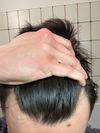
The user shared their 5-month hair progress using oral finasteride and minoxidil, reporting positive results with minimal side effects. They use a chewable 2-in-1 product from Hims for convenience.
The user reported good progress in hair regrowth, especially on the crown, after using oral minoxidil and finasteride for four months and recently switched to dutasteride. The community responded positively, noting realistic progress and offering tips for consistent photo documentation.
The user is using a hair regrowth protocol including dutasteride, topical and oral minoxidil, dermarolling, ketoconazole shampoo, and tretinoin, but is experiencing slow progress and seeks advice for faster regrowth. Suggestions include quitting smoking, adjusting the regimen, and considering additional treatments like topical finasteride or RU58841.
A 24-year-old with mild temple recession is using 5% minoxidil without noticeable effects and has started topical finasteride but is anxious about potential side effects. They are considering a specialist visit for peace of mind despite the cost.
The user achieved significant hair regrowth in 2.5 months using 2.5mg oral minoxidil, 1mg finasteride, weekly microneedling, and ketoconazole shampoo. Microneedling with a derma stamp was particularly effective, and the user also uses topical minoxidil at night.
The conversation discusses the positive effects of taking 5 mg oral minoxidil and 0.5 mg oral dutasteride every other day for hair loss, with one user reporting thicker beard and eyebrows and improved appearance. Another user expresses frustration about not being able to access the treatment in Germany, while a different user mentions experiencing no side effects.
The user has been using HIMS topical finasteride and minoxidil spray for hair loss, with positive results but still seeks improvement at the crown and corners. They are considering reintroducing derma rolling and possibly trying oral treatments like dutasteride due to concerns about shedding and irritation.
Oral minoxidil users should monitor heart health with periodic echocardiograms and cardiologist visits due to potential side effects. While some experience serious side effects, they are rare, and the benefits for hair growth often outweigh the risks.
A 20-year-old experiencing hair shedding after starting oral finasteride is advised to continue treatment and consider adding topical minoxidil. Shedding is normal, and patience is needed for hair regrowth.
The user reports positive progress in hair regrowth using 1mg oral finasteride, 3mg oral minoxidil, biotin, vitamin D, red light therapy, and microneedling. They note thickening at the hairline and some regrowth at the temples.
The conversation is about analyzing receded temple closeups for signs of fibrosis, scarring, or androgenetic alopecia (AGA). Specific treatments like Minoxidil, finasteride, or RU58841 are not mentioned in the conversation.
A user has been using oral minoxidil for 4 months and oral finasteride for over a year without side effects. Responses praise the user's hair regrowth and healthy appearance.
The post discusses a hair loss treatment regimen including oral finasteride, topical minoxidil, a rejuvenating scalp serum with caffeine, rosemary, and ginger, topical ketoconazole, saw palmetto, and derma rolling. The user seeks advice for scalp pimples and irritation.
Minoxidil can cause itching, pimples, and shedding, and starting spironolactone or finasteride may also lead to shedding. Topical CBD oil with MCT is suggested to reduce inflammation, and overlapping shedding might occur but doesn't necessarily increase each other's effects.
Oral minoxidil is seen as more effective and convenient than topical minoxidil for hair regrowth, but it may cause heart-related risks. Users often combine it with finasteride or dutasteride, though some prefer topical treatments due to safety concerns.
The user shared their 3-month hair progress using oral dutasteride, oral and topical minoxidil, and dermastamping, reporting positive results. They use 2% Nizoral shampoo and have not experienced any side effects like changes in libido.
The user has been using oral finasteride and topical minoxidil for years and recently started 2.5 mg oral minoxidil, with no significant regrowth observed yet. They are considering adding tretinoin cream to their regimen but are concerned about potential shedding.
The user noticed baby hairs after using minoxidil for two years, along with daily massages, derma stamping, and drinking peppermint infusions. Another user suggested starting with topical finasteride and eventually switching to oral finasteride, despite the original poster experiencing side effects from topical finasteride.
Switching from oral to topical dutasteride can cause shedding due to changes in DHT levels, and it's recommended to overlap both treatments to minimize this effect. Topical dutasteride may cause scalp irritation, and the user is considering dutasteride mesotherapy as an alternative.
The user shared progress after two months using a topical formulation containing Dutasteride 0.25%, Minoxidil 5%, Cetirizine 1%, Melatonin 0.5%, Caffeine 2%, and Latanoprost 0.005%. The focus is on hair loss treatment results.
The user has been using topical 0.3% finasteride, 5% minoxidil, and Nizoral for 5 months and is questioning if they are experiencing hair regrowth. The conversation revolves around identifying potential hair regrowth.
A user experienced a painful rash from both liquid and foam minoxidil, suggesting an allergy to minoxidil itself. They are seeking others with similar experiences.
The user is considering stopping topical minoxidil due to lack of improvement in hair growth and is exploring alternatives like oral minoxidil, topical finasteride, and tretinoin. They are hesitant about oral finasteride and dutasteride, and are open to trying oral minoxidil if available, despite concerns about potential heart-related side effects.
The user is considering alternatives to topical minoxidil for hair growth due to concerns about future cat ownership, mentioning stemoxydine and redensyl as possibilities. They currently use topical regaine foam and oral finasteride.
The user shared their hair loss treatment progress using Finasteride, Dutasteride, and Minoxidil, noting initial irritation with topical Minoxidil and experiencing shedding phases. They reported no side effects and encouraged others to try this regimen for alopecia.
The user has been mixing finasteride with stemoxydine for hair loss and is considering switching to a less expensive product with a different ingredient list. They are questioning if the new product's higher water content compared to alcohol will affect the finasteride's solubility.
The user is using minoxidil, finasteride, dermarolling, and other treatments for hair regrowth, showing promising results in the temple area. Despite some skepticism, there is optimism about potential improvement.
Hair loss is worsening despite using finasteride, oral minoxidil, and rosemary oil, possibly due to stress, hormone changes, and environmental factors. Improvement was noted with a soft water filter, but recent stress may have exacerbated the issue.
The user shared progress on hair regrowth using oral dutasteride, oral minoxidil, and verteporfin procedures. They reported some regrowth after 6-9 months of treatment.
A new topical treatment, TH07, combining finasteride, latanoprost, and minoxidil, is entering phase III trials with promising early results. Some users express skepticism, noting the treatment uses existing products.