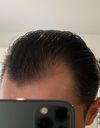
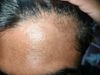
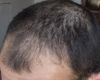
The user is experiencing hair regrowth after two months using topical finasteride, minoxidil spray, and weekly microneedling. They report less hair loss and stronger hair growth.
A user shared their successful hair regrowth journey using oral Propecia, topical Minoxidil, Ketozol shampoo, a derma roller, strength training, Omega 3, and Biotin. They experienced initial shedding but saw significant improvement in hair growth after 3-4 months.
The user started using minoxidil and finasteride for hair loss treatment six months ago, with some improvement in mental health and manageable side effects. They are considering switching minoxidil brands due to dissatisfaction and are focusing on stress management and lifestyle changes to improve scalp health.
A 20-year-old experienced significant hair regrowth after six months of using 0.5mg Dutasteride and 2.5mg oral Minoxidil daily. The user noted stronger eyebrows, eyelashes, and other body hair growth.
A user successfully regrew hair using 1mg Finasteride daily, 5% topical Minoxidil 1-2 times a day, and weekly derma stamping, with no side effects. Others shared their hair loss struggles and interest in these treatments.
The conversation discusses the potential effectiveness of a Sult1a1 enzyme booster in enhancing the results of minoxidil for hair loss. Users express interest in the booster, hoping it will improve the effectiveness of oral minoxidil, especially for those who struggle with topical application.
Minoxidil and finasteride together can lead to significant hair regrowth, often noticed gradually over time. Consistent use without stress is key, and while minoxidil helps regrow hair, finasteride prevents further loss.
A 21-year-old university student started using Minoxidil and derma stamping for hair loss over two months ago. Despite poor sleep due to exams, the student is hopeful about improving their sleep schedule during the holidays and notes their hairline remains straight.
Hair follicles can be dormant and potentially revived with treatments like finasteride and minoxidil, but irreversible loss occurs if certain structures are destroyed. Early intervention is more effective, and additional methods like microneedling may help.
The user shared a 3.5-month hair regrowth update using finasteride, 5% topical minoxidil, micro-needling, and keto shampoo, along with lifestyle changes like reducing stress and improving diet. They encourage others to stay committed to their regimen despite initial slow progress.
The conversation discusses using Pyrilutamide, Alfatradiol 0.1%, and Minoxidil for hair loss treatment. Pyrilutamide is described as a strong antiandrogen, and Alfatradiol is noted for its effectiveness in inhibiting DHT on the scalp.
A 19-year-old is experiencing hair loss and considering treatments like finasteride, oral minoxidil, and possibly dutasteride. Users suggest continuing with finasteride and minoxidil, with some recommending dutasteride for stronger results.
A 36-year-old man is using topical 5% Minoxidil for hair thinning and is considering adding 3mg Minoxidil pills as recommended by a dermatologist. He is concerned about potential side effects and increased shedding but cannot access Finasteride due to strict regulations.
A 27-year-old woman with androgenic alopecia is losing hair despite using oral minoxidil and spironolactone, and is considering dutasteride. She is exploring causes like stress and medication side effects, planning tests, and considering treatment changes.
The conversation discusses using minoxidil with microneedling and considering tretinoin to enhance hair growth, especially for those who are weak responders to minoxidil. It also explores the potential of using tazarotene, a stronger retinoid, to boost minoxidil's effectiveness and addresses purchasing tretinoin from Germany.
Finasteride may seem less effective over time due to increased DHT sensitivity or aging, but it still suppresses DHT. Switching to dutasteride offers stronger DHT suppression but may increase estrogen levels.
After using finasteride for 7 months and dutasteride for 5 months, the user experienced a significant reduction in hair shedding and scalp itchiness. They advise patience with hair loss treatments and suggest focusing on a good haircut and reducing stress.
People regret neglecting their hair until it started thinning, and they are now using treatments like finasteride, minoxidil, and microneedling. Some are considering stronger options like dutasteride due to mixed results.
The user has been using oral Minoxidil for a year and switched from dutasteride to finasteride four months ago, noticing some growth but still experiencing hair loss. They seek advice on managing hair loss, mentioning their hair feels strong when dry and they apply oil weekly.
The user has been taking dutasteride twice a week for seven months, experiencing hair shedding and fragile strands. Suggestions include taking dutasteride daily and adding topical minoxidil and tretinoin.
Dr. Gary Linkov, a YouTuber and doctor, is praised for his free hair loss advice despite his own struggles with hair loss. Some users discuss the high cost of his consultations and treatments like oral minoxidil and Jak inhibitors.
A 40-year-old man experienced significant hair density improvement after using 5mg oral Minoxidil for one year, 3 months of Finasteride, and 8 months of Dutasteride. Dutasteride was chosen for its stronger effect against DHT compared to Finasteride, and the user reported no side effects.
Many younger men are experiencing hair loss due to genetics, diet, stress, and lifestyle changes. Treatments like finasteride and minoxidil are mentioned, with some users noting improvements.
User shared 7-month hair loss progress using finasteride, minoxidil, ketoconazole shampoo, and dermastamp. Hairline is stronger but still receding, hoping for more improvement.
OP noticed an increase in DHT levels after 5 months of using finasteride and is unsure if the drug is effective or if other factors like stress or vitamins are influencing the results. Users suggest testing the medication for authenticity, consulting a doctor, and possibly trying a different brand or dosage.
Oral minoxidil may cause facial puffiness or aging in some users, but results vary. Many users experience positive hair growth and stress the importance of skincare and a healthy lifestyle.
A user stopped hair loss after taking finasteride daily for four years, with minimal regrowth and no side effects. They believe stress initially caused their hair loss.
The conversation discusses hair loss causes beyond male pattern baldness, mentioning treatments like ketoconazole, zinc shampoo, and finasteride. Stress-related hair loss (telogen effluvium) is also suggested.
Topical 2-deoxy-D-ribose (2dDR) regrows hair in mice almost as well as 2% Minoxidil. However, 2dDR may contribute to oxidative stress and hair loss due to the formation of advanced glycation end products (AGEs).
A user shared their 15-month hair regrowth progress using 1mg finasteride daily and topical minoxidil once daily, noting significant improvement after adding finasteride. They experienced mild side effects, including reduced erection strength after a year.