Nutrafol is criticized for misleading advertising, as it doesn't effectively regrow hair. Effective treatments mentioned include minoxidil and finasteride.
A user's experience with using Fin for hair loss, which includes shedding and regrowth, potential side effects, and the use of supplements, protein, and exercise as additional treatments.
The conversation discusses hair loss treatments, with the original poster considering joining a clinical trial for setipiprant after experiencing side effects from finasteride and disinterest in minoxidil. Some users express skepticism about setipiprant's effectiveness, while others encourage participation in the trial for potential benefits.
Topical spironolactone is discussed as a hair loss treatment, with concerns about its effectiveness and side effects compared to finasteride and minoxidil. Users mention its unpleasant smell, potential systemic absorption, and suggest alternatives like pyrilutamide and alfatradiol.
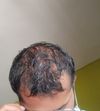
The user shared progress pictures after 4 months of using topical finasteride, minoxidil, and Nizoral, noting significant hair improvement. They apply minoxidil once daily with a head massager and use 1% Nizoral 3-4 times a week, reporting no side effects.
France is considering reviewing finasteride and dutasteride due to concerns about their safety, but a ban in the EU is unlikely due to regulatory hurdles. Many users express frustration over the potential ban, emphasizing the effectiveness of finasteride for hair loss and criticizing the influence of anecdotal evidence on public health policy.
Intermittent finasteride dosing, like taking it every third day, may reduce side effects while still lowering DHT levels. Users report side effects such as brain fog and weaker erections, which often subside after stopping the drug.
Tretinoin may help more minoxidil convert to its active form and could potentially increase its absorption, raising concerns about safety if too much enters the bloodstream. It's unclear if tretinoin affects finasteride absorption.
Microneedling before applying topical finasteride or dutasteride may enhance their effectiveness by increasing local absorption in the scalp, despite concerns about systemic absorption. Users discuss combining this method with oral treatments and minoxidil, noting potential benefits and side effects.
The user is using a topical solution with finasteride, minoxidil, and retinoic acid, which causes scalp residue and dryness. They seek advice on removing residue and keeping the scalp moisturized.
Switching from finasteride to dutasteride, with additional treatments like minoxidil and tretinoin, has not improved hair loss and may have worsened it. Users report better results with finasteride, citing fewer side effects and lower cost.
The user is experiencing hair loss after a hair transplant and is considering using fluridil (Eucapil) and possibly alfatradiol as treatments, as they couldn't tolerate finasteride or minoxidil. The manufacturer of Eucapil confirmed they won't produce higher concentrations due to lack of efficacy.
The conversation discusses using Pyrilutamide, Alfatradiol 0.1%, and Minoxidil for hair loss treatment. Pyrilutamide is described as a strong antiandrogen, and Alfatradiol is noted for its effectiveness in inhibiting DHT on the scalp.
The user is preparing for potential future hair loss treatments and currently uses topical minoxidil, derma rolling, and ketoconazole shampoo. They are concerned about shedding, side effects, and the possibility of starting finasteride or dutasteride along with testosterone.
The user applied topical finasteride 0.3% and minoxidil 6% once daily, used keto shampoo weekly, and derma stamped weekly or biweekly. They noticed hair improvement, possibly due to regrowth or letting it grow longer.
After 12 years of success with oral finasteride and topical minoxidil, the user is experiencing hair thinning and scalp discomfort. They are considering options like switching to oral minoxidil, adding dutasteride, or using ketoconazole shampoo, topical caffeine, rosemary serum, and supplements.
A user stopped oral finasteride after 7 years due to decreased libido and switched to topical finasteride and minoxidil. Others shared similar experiences and discussed alternatives like dutasteride and topical treatments.
The user experienced scalp irritation from a Finasteride and Minoxidil spray and serum. They are considering switching to foam, oral treatments, or another provider.
The group buy for CB-03-01, a topical anti-androgen for hair loss, was postponed and refunded due to issues with the product's form and solubility. The product, also known as Breezula, is an alternative to finasteride with fewer side effects, but its official release is delayed until 2021.
The conversation discusses a topical formula for hair loss including Finasteride (0.025%), Minoxidil (0.5%), Tretinoin (0.01%), Caffeine (0.005%), Melatonin (0.003%), Tea Tree Oil (0.05%), Aloe (0.05%), Biotin (0.05%), and Fagron TrichoXidil (2.5%). The user considers removing Minoxidil and Tretinoin to test TrichoXidil's effectiveness.
The user has been using a topical solution of minoxidil 5% and finasteride 0.025% daily, along with dermastamping every two weeks and ketoconazole shampoo twice a week for four months. The treatment is for hair loss.
Adding tretinoin can enhance the effectiveness of minoxidil by increasing sulfotransferase levels, making it beneficial for hair growth. However, it may not be necessary if using oral minoxidil.
The conversation discusses mixing finasteride (Essengen-F) with a multi-peptide serum for hair density. The main concern is whether these products can be used together safely.
After 8 months of using topical finasteride, hair miniaturization continues, raising concerns about its effectiveness. Microneedling is suggested as a possible complementary treatment.
A user shared their hair loss journey, using finasteride since age 18 and adding dutasteride at 30, which halted hair loss and promoted regrowth. They take finasteride daily and dutasteride three times a week, experiencing reduced libido and drier skin as side effects.
Taking creatine does not affect the effectiveness of finasteride for hair loss. Users generally agree that creatine is safe to use alongside finasteride and minoxidil.
A 43-year-old from Thailand shares progress after 1 month using topical finasteride, minoxidil, tretinoin cream, and weekly microneedling for diffused thinning. Users compliment his appearance and suggest he doesn't need treatment.
A 35-year-old is using finasteride, oral and topical minoxidil, dermarolling, Nizoral shampoo, and rosemary with biotin oil to address hair thinning. They are considering the effectiveness of their current regimen and contemplating adjustments, such as discontinuing topical minoxidil or trying dutasteride for better results.
Kintor's phase III trial for pyri (KX-826) showed promising safety and efficacy results, with no drug-related sexual dysfunction reported. Users discussed their experiences with pyri, Minoxidil, Dutasteride, and concerns about the validity of the study results.