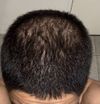
A 15-year-old is experiencing hair loss and has tried rosemary and jojoba oils without success. They are advised to see a doctor for thyroid and androgen tests and consider using Minoxidil.
The user has been using topical minoxidil and oral dutasteride since October of last year and has seen significant hair regrowth progress. They started noticing improvements in the second month and are encouraged to continue the treatment despite initial shedding.
A rigorous and extensive regimen for hair regrowth, including oral and topical minoxidil, finasteride, dutasteride, RU58841, various oils, supplements, and lifestyle changes, is discussed with skepticism and humor. The consensus is that such an extreme routine is impractical and potentially harmful, with no guaranteed results.
The user experienced significant hair regrowth using finasteride and minoxidil, leading to doubts about proceeding with a planned hair transplant. Many suggest postponing the transplant to save grafts for future needs, as the current results are impressive.
A 29-year-old doctor in Australia shares his 10-year experience with finasteride and 1-year experience with oral minoxidil for hair maintenance, reporting no significant side effects and effective hair preservation. He also uses a nizoral shampoo and a compounded tablet containing finasteride, minoxidil, and a multivitamin.
Hair loss treatments include finasteride, minoxidil, alfatradiol, vitamins, red light therapy, ketoconazole shampoo, meditation, green tea, leg workouts, and silk pillows. Genetics is emphasized as the primary factor in hair health, with some humor about unconventional methods like drug use affecting hair loss.
The user is experiencing low libido and mood swings after starting a low dose of topical finasteride. They are considering further blood tests to investigate low testosterone levels and other hormonal factors.
A 25-year-old male experienced significant hair improvement after approximately six months of using 1mg daily finasteride, occasional Nizoral shampoo, and biotin, with no side effects. He avoided minoxidil due to its commitment and hassle.
Hair loss can be managed by acting early, using treatments like Minoxidil, finasteride, and possibly dutasteride, along with lifestyle changes such as using sulfate-free shampoos and eating protein-rich foods. Consulting a dermatologist and considering microneedling, vitamins, and anti-fungal shampoos are also recommended.
Long aerobic exercise (over 60 minutes) can reduce DHT levels and improve hair health. Some users discuss using Tadalafil (Cialis) to further reduce DHT after exercise, while others mention using treatments like Minoxidil, Finasteride, and RU58841 for hair growth.
Hair and skin products need 4-6 weeks to show results, and consistency is crucial for effectiveness. Track progress weekly with photos and notes, and if no changes occur after 8 weeks, consider changing products.
The user is optimistic about hair regrowth after 3 months of using 1mg oral finasteride daily, topical minoxidil twice daily, and microneedling once a week. They report improvements in hair density and color, particularly at the crown and fringe.
Exercise has minimal impact on hair loss, with weight lifting slightly increasing DHT and cardio potentially decreasing it. Finasteride and dutasteride are effective treatments for managing hair loss, even for those who exercise regularly.
The user shared their hair loss treatment progress from October 2023 to January 2025, using 1.25 mg finasteride daily, 2.5 mg minoxidil, Hims shampoo, and a multivitamin. They noted improved hair growth despite not saving their hairline.
A person is experimenting with microneedling on one temple while using Minoxidil to address hair loss. They plan to needle weekly and apply Minoxidil twice daily, avoiding application around needling sessions.
A 31-year-old male is using a hair loss treatment routine that includes daily 0.5mg dutasteride, 5% minoxidil, microneedling, biotin, vitamin D, omega-3 supplements, and alternating shampoos to restore hair density. He reports no side effects or noticeable regrowth yet but feels optimistic about the process.
The user has been using finasteride and minoxidil for 5 years with initial success but is now experiencing hair thinning despite increasing dutasteride usage. They are considering adjusting dutasteride frequency and possibly adding treatments like eucapil, minoxidil, and GHK-Cu peptides.
The user is 10 days post-hair transplant, pleased with the results so far, and hopes for increased density. The procedure was done at Vanity Hospital in Istanbul, with around 3400-3750 grafts used.
There is concern about a potential ban on finasteride and dutasteride in the EU, with users discussing the impact on hair loss treatment. Some suggest alternative treatments or express skepticism about the likelihood of a ban.
Nicotinamide serum is discussed for its potential benefits in reducing inflammation related to hair loss. One user combines it with minoxidil for hair growth.
A method for treating androgenic alopecia using minoxidil, antiandrogens, exercise, and cold exposure to promote hair growth. Environmental factors and lifestyle changes, like diet and exercise, can improve treatment effectiveness.
A 33-year-old female with androgenic alopecia experienced alopecia areata patches after PRP treatment. She is seeking others' experiences with PRP worsening alopecia areata.
CBD may increase hair counts slightly, but results are minimal without additional treatments like minoxidil or finasteride. Some users suggest combining CBD with other methods for better results.
Fatty liver and related issues may influence hair loss conditions like Dupa/Aga. Treatments discussed include Minoxidil, finasteride, RU58841, myo-inositol, and L-glutamine.
Hair loss without a white bulb may indicate mechanical damage, anagen effluvium, alopecia areata, or traction alopecia. Seeking a specialist is recommended, but access can be difficult in smaller areas.
The user is experiencing significant hair shedding after starting dutasteride, which is considered a normal part of the treatment process. Despite the shedding, the user notes some improvement in hairline appearance and is seeking advice and reassurance.
Increased coffee intake might be linked to hair shedding, but the cause is unclear. The user is on finasteride and has increased water intake, possibly affecting electrolyte balance.
The user has been using finasteride, minoxidil, and Nizoral for 9 months with little progress in hair regrowth and is considering switching to dutasteride. They experience daily scalp pain and anxiety, and are exploring other treatments like Head & Shoulders and consulting a dermatologist.
The user has been using finasteride, minoxidil, and nizoral for hair loss but hasn't seen regrowth, only maintenance. They are considering switching to dutasteride, which is believed to be more effective, but are concerned about potential side effects.
The treatment for androgenetic alopecia involves using finasteride and minoxidil with intense exercise and cold exposure to boost metabolism and reduce androgenic effects, potentially leading to hair regrowth. This approach may activate biological pathways for improved hair and overall health.