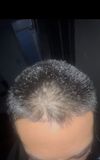
Increased coffee intake might be linked to hair shedding, but the cause is unclear. The user is on finasteride and has increased water intake, possibly affecting electrolyte balance.
A user is experiencing renewed hair loss despite using minoxidil and finasteride for two years and is considering options like dutasteride, increasing finasteride dosage, or starting microneedling. Respondents suggest waiting another month before making changes, consulting a dermatologist, and potentially adjusting the treatment regimen.
The conversation discusses using NAC (N-Acetyl Cysteine) alongside minoxidil and finasteride for hair loss, with some users noting potential hairline improvement and increased energy. The original poster reduced their finasteride dosage due to mental decline and anxiety, and while NAC's effects on hair are anecdotal, it is considered low-risk with other health benefits.
User reports hair loss improvement with twice-weekly 0.25mg Fin, twice-weekly Min, weekly 0.5mm microneedling, and daily massages. Unconventional regimen contradicts typical advice but may reduce side effects.
A 19-year-old is experiencing worsening hair loss and severe seborrheic dermatitis despite using finasteride for six months. Nizoral (ketoconazole) is no longer effective, and they are seeking over-the-counter solutions and advice for an upcoming dermatologist visit.
Finasteride is used for hair loss, with mixed reports of no side effects and claims of long-term negative effects known as Post Finasteride Syndrome (PFS). The conversation debates the existence and causes of PFS, with differing opinions on whether it is psychological or real.
Diet and lifestyle changes can reduce hair shedding but won't regrow hair lost to genetic male pattern baldness. Treatments like finasteride and dutasteride are necessary for significant hair regrowth.
Wigs are considered a temporary solution for hair loss, with concerns about cost, maintenance, and social stigma. Many prefer treatments like finasteride, minoxidil, or hair transplants for more permanent results.
The conversation discusses managing seborrheic dermatitis (sebderm) and male pattern baldness (MPB) with treatments like finasteride, coal tar shampoo, Nizoral, and oral minoxidil. Users suggest dietary changes, regular shampooing, and using antifungal products to control sebderm before considering minoxidil.
The treatment for androgenetic alopecia involves using finasteride and minoxidil with intense exercise and cold exposure to boost metabolism and reduce androgenic effects, potentially leading to hair regrowth. This approach may activate biological pathways for improved hair and overall health.
The user experienced hair loss despite using Fin and Min for 12 years and switched to Dutasteride, RU58841, and Keto scalp serum, but shedding and itch persist. They are considering increasing Dutasteride to 2.5mg and questioning the necessity of a scalp biopsy, with mixed opinions on its usefulness.
Despite using dutasteride, RU58841, minoxidil, and ketoconazole for years, the user continues to experience severe hair loss and thinning. They seek advice after multiple dermatologists confirmed androgenetic alopecia (AGA) but offered no effective solutions.
The user experienced severe scalp itching and hair loss while on dutasteride, which they linked to caffeine and masturbation. They plan to cut out both to see if their hair density improves.
A 27-year-old man shared his 10-month hair regrowth progress after taking oral finasteride, noting initial hair shedding followed by noticeable thickening around 5-6 months, with significant improvement by March. He also mentioned having scalp psoriasis.
A 21-year-old expresses feeling alone and invalidated in his struggle with hair loss, seeking empathy from others. Some users share similar feelings, while one mentions making progress with dutasteride and minoxidil treatments and considering a hair transplant.
The conversation discusses the potential impact of creatine on hair loss, with some users reporting no effect and others experiencing increased hair shedding. The original poster is using finasteride, minoxidil, and a derma pen, and has started taking creatine to observe any changes in hair loss.
The user is seeking opinions on their hair loss, specifically the receding of their right temple. They are considering switching to Dutasteride but are unsure if it will help. Other users suggest that their hairline has improved with the use of Finasteride and Minoxidil. One user mentions using RU58841 to thicken their hairline.
Quitting smoking and vaping, along with taking spirulina, improved hair thickness for some users. Others noted that smoking, vaping, and drinking may contribute to hair thinning.
A 22-year-old male has been experiencing widespread hair loss for over four years, including pain and significant shedding. Treatments tried include ketoconazole shampoo, fluocinonide topical solution, biotin, ACV, and dry shampoo, but none have been effective.
Hair loss treatments discussed include Minoxidil, Finasteride, and RU58841. Users share experiences with Finasteride, mentioning watery semen as a side effect and weighing its importance against maintaining hair.
Hair loss was triggered by a testosterone and Masteron cycle, causing scalp tension and shedding. Topical finasteride, RU58841, and oral minoxidil were used to stop shedding and improve scalp condition.
A 39-year-old user has been using topical 0.3% finasteride with 6% minoxidil for almost 7 months without seeing significant improvement in hair regrowth. They are considering switching to a gel with higher minoxidil concentration, adding retinoic acid, or trying topical dutasteride, while others suggest returning to 5% minoxidil foam, adding oral finasteride, or exploring microneedling and lifestyle changes.
PP405 may damage hair follicles if used long-term, suggesting cycling might be necessary. Combining it with finasteride could help maintain hair growth.
DIM is suggested to help with estrogen metabolism for those on finasteride or dutasteride, potentially reversing side effects like fat gain and mood changes. Some users doubt its effectiveness, recommending lifestyle changes or consulting a doctor instead.
Finasteride and dutasteride are still available in the EU, with a warning about potential suicidal thoughts. The benefits of these treatments are deemed greater than the risks.
Creatine does not directly cause hair loss, but it may increase DHT levels, which can affect hair. Some users report hair shedding with creatine, while others experience no hair loss.
The user believes neck tension and poor posture contribute to hair loss, noticing improvements with yoga and muscle relaxation. Replies suggest androgenic alopecia as the cause and recommend exercises.
The user is experiencing significant hair thinning and scalp discomfort after two years on finasteride and is considering switching to dutasteride. Another person suggests that scalp inflammation might be the cause and recommends a YouTube channel for more information.
People discussing their experiences with natural treatments for hair loss, such as essential oils, deep scalp massages, anti-inflammatory measures, and supplements. Most of the replies suggest that these treatments are not effective and recommend medication such as minoxidil or finasteride instead.