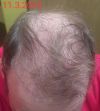
Minoxidil may cause skin aging effects like wrinkles and dark circles, but evidence is mixed. Alternatives like dermarolling and retinol are suggested.
The user added melatonin to their 5% minoxidil solution for hair growth, using a concentration of 0.0033%, which equates to roughly 2mg for a 60ml bottle. They later reported no significant difference and planned to continue the treatment for a few more months before potentially stopping to observe any changes in shedding.
A user discusses mild/moderate hair loss and considers switching from oral to topical finasteride due to past endocrine issues. They seek feedback on topical finasteride's effectiveness and reputable sources, with replies suggesting Minoxidilmax products as effective alternatives.
Topical melatonin may help reduce hair loss and increase hair thickness in people with androgenetic alopecia (AGA), with some studies showing positive results. It can be mixed with minoxidil for application, and its effectiveness might be enhanced when used with micro-needling, but results may vary among individuals.
A 26 year old female dealing with hair loss who is considering treatments such as Spiro, minoxidil and finasteride. Other potential solutions mentioned are PRP treatment, a wig, and bio-identical estrogen combined with bica.
People discussed using vitamin D supplements for hair loss, with some also using steroid injections, pumpkin seed oil, saw palmetto, and zinc. Despite supplementation, one user noted no improvement in hair condition, but acknowledged the general health benefits of addressing vitamin D deficiency.
Hair loss treatments, with people sharing their experiences of trying to get help from family members and how genetics can affect the severity of hair loss. Treatments mentioned include finasteride, minoxidil, RU58841, scalp massage, whey protein and bleaching.
A 25-year-old woman is experiencing hair loss and has started microneedling with a 0.5mm roller, applying a mix of essential oils overnight. She questions whether to switch to a 1.5mm roller and the best order for her routine, while a reply suggests using Minoxidil for better results.
The conversation discusses treating side effects of hair loss treatments. Recommendations include lifting heavy weights, reducing body fat, taking ZMA and D3 supplements, improving diet, taking DIM, reducing finasteride dosage, avoiding alcohol, drinking water, getting quality sleep, and not obsessing over side effects.
Addressing hair loss by focusing on posture, blood flow, and craniofacial development. Methods include improving posture, cardiovascular activity, scalp massages, healthy diet, meditation, using minoxidil, and addressing craniofacial issues.
Hair thinning possibly due to rapid weight loss and dietary changes, with no nutrient deficiencies found. The user is taking vitamins and considering seeing a hair specialist to promote regrowth.
A 33-year-old male experienced sudden, rapid hair loss, possibly due to a reaction to mentholated shampoo and undiluted tea tree oil, with a history of seborrheic dermatitis. He is currently taking finasteride, vitamin D3, a multivitamin, and biotin, and is seeking further medical evaluation.
GT20029 shows promise as a topical treatment for hair loss, potentially replacing finasteride for some due to its low systemic exposure and ability to degrade androgen receptors. However, skepticism remains about its long-term efficacy and availability, with some users expressing doubt about new treatments consistently failing to reach the market.
An 18-year-old shaved his head due to hair loss and feels relieved, despite using Minoxidil and Finasteride without success. Many suggest seeing a dermatologist as the hair loss pattern doesn't resemble typical male pattern baldness, and some recommend trying Ketoconazole.
Improved sleep has significantly benefited hair health, with noticeable regrowth at the hairline and possibly the crown, alongside better skin and mood. Consistent sleep, alongside treatments like finasteride and minoxidil, is recommended for better results.
A user experienced increased hair shedding after 2.5 years on finasteride and 5 months on minoxidil, possibly due to recent additions like supplements and microneedling. Others shared similar experiences with minoxidil shedding, suggesting it may be a normal part of the process, with hair often growing back thicker.
Hair loss requires proper diagnosis as it can have various causes, and treatments like finasteride, minoxidil, and dutasteride are often used. Many people express frustration with dermatologists and turn to self-research and alternative sources for treatment.
PP405 is being discussed as a potential hair loss treatment, possibly more effective than minoxidil. There are concerns about its effectiveness and product contamination, but some users report early signs of hair regrowth.
The user is experiencing hair loss despite using dutasteride and minoxidil and is considering adding RU58841 or other treatments like microneedling. Suggestions include stopping smoking, trying dutasteride mesotherapy, using tretinoin, maintaining a healthy lifestyle, and possibly using a red light cap.
The user is on Finasteride for hair loss, taking 0.5mg daily, and plans to reduce the dose to 0.25mg while making lifestyle changes to lower prolactin, SHGB, and cortisol. They will retest in 90 days to assess progress and are open to advice.
A 20-year-old with aggressive hair loss is using oral minoxidil and finasteride, considering a buzz cut to manage appearance. Most suggest a buzz cut or shaving, recommending patience with medication and possibly trying RU58841 or dutasteride.
Creatine may cause increased hair shedding due to androgen receptor sensitivity, despite limited evidence. The user is using dutasteride and minoxidil and seeks advice on whether shedding will stabilize, with suggestions including GHK-Cu and RU58841.
Some actors are believed to use treatments like finasteride, minoxidil, or hair transplants to maintain their hair, while others are thought to have naturally good genetics. Opinions vary on whether celebrities like Brad Pitt have natural hair or use enhancements.
The user transitioned from finasteride to RU58841 and oral minoxidil to maintain hair gains while avoiding systemic DHT suppression. They have not experienced increased shedding or side effects since stopping finasteride and hope RU58841 will preserve their hair.
Finasteride may help prevent hair loss for those concerned about creatine, despite no proven link between creatine and hair loss. Personal experiences with creatine and hair shedding vary.
Avoiding excessive time on hair loss forums to reduce anxiety and focus on consistent use of treatments like finasteride and minoxidil. Users emphasize trusting medical advice, being patient for results, and not overanalyzing anecdotal experiences.
Hair loss treatments include using finasteride, dutasteride, and RU58841. Lifestyle changes like increasing carb intake and moderate alcohol consumption are suggested to boost estrogen levels.
The user replaced finasteride with saw palmetto due to availability issues and experienced side effects, leading to adjustments in their regimen. They use saw palmetto, minoxidil, Nizoral, and a dermaroller, reporting reduced side effects and some benefits, with hair fall ranging from 5 to 20 hairs daily.