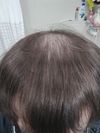
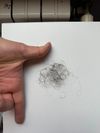
A 24-year-old male is experiencing hair thinning and feels hopeless, considering treatments like finasteride and minoxidil but is concerned they might not work. He is also contemplating a dermatologist visit and is unable to afford a hair transplant.
An 18-year-old shaved his head due to hair loss and feels relieved, despite using Minoxidil and Finasteride without success. Many suggest seeing a dermatologist as the hair loss pattern doesn't resemble typical male pattern baldness, and some recommend trying Ketoconazole.
Hair shedding can still occur after long-term use of finasteride, and it is often part of the natural hair cycle. Some users consider adding minoxidil or switching to dutasteride to manage shedding.
Topical finasteride can be effective for some, especially if oral finasteride causes side effects, but results may vary and can be slower. Combining topical finasteride with minoxidil is common, though some users switch to oral treatments for better results.
Quitting smoking may improve the effectiveness of finasteride and minoxidil for hair regrowth. Smoking is harmful to hair health, potentially increasing hair loss and reducing regrowth.
The user noticed hair regrowth after 4 years of hair loss, coinciding with lifestyle improvements like quitting smoking, exercising, and a better diet. They are curious if dormant follicles can recover under improved conditions.
The user has been using oral minoxidil for 4 years and durum wheat 3 days a week for 7 months, but is experiencing increased hair loss when washing hair. They suspect it might be due to decreased DHT levels and are seeking similar experiences from others.
A 20-year-old with diffused thinning is using oral minoxidil for androgenetic alopecia. They plan to switch to topical minoxidil, finasteride, and bimatoprost, and may consider surgery if their condition improves.
Asian dermatologists are more open to prescribing finasteride, while in some regions, medications like finasteride and minoxidil can be obtained without a prescription. In Europe, particularly France, there are stricter regulations requiring patients to acknowledge potential side effects, but many people find ways to obtain these treatments through various means.
The user is considering using topical finasteride for hairline recession and thinning, despite having low DHT levels and previous side effects from oral finasteride. They are also taking 2.5 mg of oral minoxidil, which has not resulted in regrowth or stabilization.
Improved sleep has significantly benefited hair health, with noticeable regrowth at the hairline and possibly the crown, alongside better skin and mood. Consistent sleep, alongside treatments like finasteride and minoxidil, is recommended for better results.
The user has been using 0.5 mg dutasteride daily for 8 months and 5 mg oral minoxidil for 14 months to address hair thinning. Despite some users seeing no change or improvement, the user feels their hairline density has decreased and corners have worsened.
L. reuteri, a probiotic, is being explored for its potential benefits in treating androgenic alopecia, possibly enhancing finasteride's effects and reducing inflammation. The user combines this with finasteride, oral minoxidil, and other supplements, noting some improvement in hair loss.
A 33-year-old experienced significant hair regrowth on the crown after one year of using oral finasteride (1mg) and minoxidil (2.5mg) daily, with initial concerns about libido that resolved after a week. The user reported minimal shedding and no other side effects, making a hair transplant optional.
The user is concerned about potential hair thinning and has been using minoxidil and finasteride for a year, noticing some new hair growth. They recently started microneedling to improve minoxidil absorption and seek advice on applying it to the crown area.
A user increased their dutasteride dose to 2.5 mg and oral minoxidil to 5 mg after losing hair regrowth, and also started using 2% ketoconazole and microneedling. Another user suggested these changes are meaningful and recommended splitting doses throughout the day for better absorption.
A 19-20-year-old has been using 0.5 mg of dutasteride daily for a year to combat hair loss, avoiding minoxidil due to side effects. They plan to continue this regimen and consider a future hair transplant, experiencing no significant side effects from dutasteride.
The user reports that using topical Dutasteride has stopped their hair loss, and they are curious about potential side effects and regrowth. They also mention having scalp psoriasis and past SSRI use affecting libido.
The user has been using 1mg of finasteride daily for 5 months, noticing hair regrowth and thickening without significant side effects. They have not used minoxidil and plan to continue with finasteride before considering additional treatments.
A 22-year-old user shared progress pictures after 5.5 months of using a topical solution containing Minoxidil and Finasteride for hair loss, noting increased hair density and reduced hair fall despite inconsistent application. The user recently switched to oral Dutasteride and Minoxidil due to difficulty with topical solutions and plans to update after a year.
The user stopped using topical finasteride and minoxidil, leading to hair thinning and shedding, and has since restarted the treatment. They are experiencing significant shedding and are seeking advice on whether this is normal and when improvement might occur, while using a regimen that includes Nutrafol, microneedling, Nioxin, and Nizoral.
The conversation discusses using a TCA 35% chemical peel on the scalp to potentially improve hair growth by addressing fibrosis and enhancing the effectiveness of topical treatments. The user also mentions trying microneedling and other methods like topical metformin and dutasteride for hair regrowth.
The user experienced significant hair regrowth over eight months using topical minoxidil twice daily and 1mg oral finasteride daily. They also mentioned using a DHT blocker to aid regrowth.
GHK-Cu is discussed as a potential hair loss treatment, with claims of promoting hair growth and possibly reversing gray hair, though strong clinical evidence is limited. The user also mentions using Minoxidil, red light therapy, and microneedling.
Hair loss requires proper diagnosis as it can have various causes, and treatments like finasteride, minoxidil, and dutasteride are often used. Many people express frustration with dermatologists and turn to self-research and alternative sources for treatment.
PP405 is being discussed as a potential hair loss treatment, possibly more effective than minoxidil. There are concerns about its effectiveness and product contamination, but some users report early signs of hair regrowth.
The user experienced hair regrowth with oral minoxidil and finasteride but faced aggressive hair loss after developing IBS, questioning if the condition affects medication absorption. They are considering switching to topical treatments.
A user experienced sleep paralysis after starting finasteride and is seeking others' experiences. Another user suggests finasteride might affect neurosteroids, potentially altering sleep patterns.
Diffuse thinning is often due to androgenetic alopecia, and DHT blockers like finasteride are recommended. Treatments mentioned include minoxidil, finasteride, dutasteride, and RU58841, with emphasis on starting early and using a holistic approach.