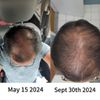
A user is trying Relora supplements to reduce stress-inducedhair shedding. They are frustrated with ongoing hairloss and are open to trying new solutions.
A 38-year-old male with stress-induced Telogen Effluvium is seeking advice on using oral finasteride and minoxidil, as well as vitamin regimens, for hairloss. He is considering these treatments after a dermatologist ruled out male pattern baldness and prescribed ketoconazole shampoo.
Increased hair shedding can occur when starting Finasteride, but it's usually temporary. Adding Minoxidil may help regrow and thicken hair, while vitamins are only beneficial if there's a deficiency.
The conversation discusses whether topical caffeine is effective for hairloss, with some users questioning its role due to its vasoconstrictive and vasodilative properties, while another suggests that temporary vasoconstriction might be beneficial by promoting angiogenesis. Specific treatments mentioned include caffeine shampoo, which one user believes is ineffective.
Staying positive and managing stress may slow hairloss, but treatments like finasteride, minoxidil, and dutasteride are essential for managing male pattern baldness. Stress can accelerate hairloss, but genetics play a significant role, and early treatment is crucial.
Effective treatments for hairloss, including Dutasteride, Finasteride, Minoxidil, Dermarolling, LLLT, PRP, Ketoconazole, and Scalp Massage. In addition, anti-inflammatory diets and stress management are recommended to maintain or regrow hair.
COVID and COVID vaccination can trigger hairloss, primarily telogen effluvium, due to stress and immune system activation. Proper diagnosis and addressing factors like nutrition and stress are crucial for recovery.
Hairloss in men is primarily caused by androgenetic alopecia, with treatments like finasteride and dutasteride often recommended. Other causes include stress, nutritional deficiencies, medications, and scalp infections.
A satirical discussion on intentionally inducing hairloss using harmful habits and substances like cigarettes, junk food, anabolic steroids, and stress. The conversation humorously suggests extreme measures like chemotherapy and hydrofluoric acid, while also mentioning the ineffectiveness of sulfates and pumpkin seed oil in hairloss prevention.
The user plans to stop finasteride after three months, believing hairloss isn't due to DHT, and will continue with oral minoxidil, microneedling, and ketoconazole shampoo. They suspect stress and poor nutrition are the main causes and seek opinions on DHT blockers' effectiveness.
NMN shows promise in promoting hair growth by reducing oxidative stress and weakening androgens. It may be a beneficial addition to hairloss treatments like Minoxidil and Finasteride.
Prolactin and cortisol are identified as key factors in hairloss, with stress hormones impacting hair shedding. Finasteride and minoxidil are effective treatments, while DHT's role and individual sensitivity are significant factors.
A user experienced significant hairloss after starting microneedling, despite using dutasteride and topical minoxidil. They are advised to consult a doctor as the shedding pattern is unusual and may indicate alopecia areata or other scalp conditions.
OP is using 5% minoxidil and a needler to regrow hair after chemotherapy-inducedhairloss. Another user mentions using finasteride and topical minoxidil, noting some improvement in hair density.
A 20-year-old engineering student discusses balding experiences with barbers, mentioning treatments like PRP and rosemary oil masks, which slowed but didn't stop hairloss. The conversation humorously touches on the stereotype of engineers balding due to stress and suggests considering treatments like finasteride.
The user is experiencing hairloss without a family history and suspects stress or telogen effluvium (TE) as the cause, despite using finasteride without results. Others suggest stress, vitamin deficiencies, or other conditions could be factors, and some mention that balding can occur without a family history.
A user named Medical_Opinion8120, a 23-year-old female, is experiencing hairloss potentially due to a past accutane course. She has tried minoxidil without success and is currently taking iron and zinc supplements.
A 21-year-old experienced severe hairloss after stress and tried PRP, mesotherapy, and a topical finasteride + minoxidil solution, which was costly and inconvenient. They switched to dutasteride, experienced heavy shedding, and are considering switching to finasteride, with advice to consult a qualified doctor for further guidance.
Creatine may cause hairloss in some individuals, though there is no scientific consensus. Personal experiences vary, with some reporting increased shedding and others seeing no effect.
Age-linked hairloss is linked to disappearing collagen. Treatments discussed include minoxidil, finasteride, RU58841, tretinoin, microneedling, and collagen supplements.
An 18-year-old experiencing balding since age 15 is seeking alternatives to minoxidil for hair regrowth, currently using rosemary oil and a 0.5mm derma roller. They are unsure about the proper use of these treatments.
The conversation discusses hairloss and the potential impact of diet and lifestyle changes, particularly increased protein intake, on hair health. The original poster shared their experience of improved hair appearance after weight loss and dietary changes, despite skepticism from others about lighting differences in photos and the effectiveness of diet alone without finasteride or minoxidil.
PP405 is a new hairloss treatment in phase 2 trials that may promote hair growth by increasing lactate production and activating hair follicle stem cells. It could potentially replace hormone-disrupting treatments like Minoxidil and finasteride.
A permanent hairloss solution could involve reprogramming hair follicles to resist DHT using mRNA and siRNA. However, high costs, safety concerns, and the pharmaceutical industry's preference for ongoing treatments over one-time cures are major obstacles, with finasteride and minoxidil remaining standard treatments.
GT20029 is a new hairloss treatment in Phase 3 trials in China, using PROTAC technology to target androgen receptors, potentially with fewer side effects than finasteride and minoxidil. VDPHL01, a second-generation minoxidil, is also mentioned as potentially more effective.
Creatine does not directly cause hairloss but may increase DHT levels, potentially worsening hairloss in those predisposed to male pattern baldness. Users have mixed experiences, with some reporting increased shedding and others seeing no effect.
A 21-year-old started taking 1mg Finasteride daily for hairloss and considered adding Minoxidil for temple regrowth, questioning if stopping Minoxidil would cause hairloss despite continued Finasteride use. Responses suggest Minoxidil-inducedhair requires ongoing use to maintain, while Finasteride alone may not sustain Minoxidil gains, with some recommending microneedling or topical applications to enhance results.
Hairloss due to vitamin B12 deficiency is discussed, with some users suggesting supplements and dietary changes, while others recommend medications like finasteride or dutasteride. The conversation highlights differing opinions on the cause of hairloss, with some attributing it to genetics or male pattern baldness.
OP is pausing hairloss treatments to focus on mental health due to anxiety and side effects from RU58841. They plan to try topical finasteride and minoxidil after recovering from pneumonia.