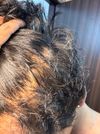
Beta blockers may cause hairthinning as a side effect. The user is concerned about this and seeks others' experiences with hair loss while using beta blockers.
After 12 years of success with oral finasteride and topical minoxidil, the user is experiencing hairthinning and scalp discomfort. They are considering options like switching to oral minoxidil, adding dutasteride, or using ketoconazole shampoo, topical caffeine, rosemary serum, and supplements.
The user is dealing with early hair loss and is using a serum with Redensyl, multivitamins, and plans to add minoxidil. They seek advice on maintaining a positive mindset and improving hair health through lifestyle changes.
A 43-year-old noticed significant hairthinning and is using topical minoxidil, dermarolling, Alpecin, biotin, zinc, copper, vitamin D, and rosemary oil. They plan to see an endocrinologist and have blood tests scheduled to investigate further.
The user is concerned about whether their hair styling is causing thinning or if it's natural. They are considering treatments like Minoxidil, finasteride, or RU58841 for hair loss.
The user has been using finasteride, minoxidil, Viviscal, biotin, saw palmetto, fish oil, and alternating shampoos to combat hair loss but continues to experience thinning, especially at the hairline. They are considering trying dutasteride but are hesitant, and they are contemplating shaving their head if the situation doesn't improve.
Ashwagandha may cause hairthinning due to increased TSH levels, suggesting a link to hypothyroidism. Users are advised to consult a doctor for proper evaluation.
A 23-year-old man experiencing hairthinning and a receding hairline is advised to consider treatments like finasteride and minoxidil. Shorter haircuts, such as a buzz cut, may help hair appear thicker, and wearing headphones is unlikely to significantly impact hair loss.
The user noticed increased hairthinning and scalp redness on one side of their temple. They are seeking advice on what this could be and how to address it.
A 22-year-old is experiencing diffuse hairthinning all over the head, losing about 300 long hairs daily, despite having good genetics and vitamin levels. They are seeking advice on whether this pattern is normal and considering consulting a dermatologist.
A 39-year-old woman noticed hairthinning and found she has an iron deficiency, which may be linked to hair loss. Suggestions included seeing a dermatologist, using spironolactone, and minoxidil.
The user is experiencing hairline thinning despite using finasteride, minoxidil (solution and foam), dermastamping, and tretinoin. They suspect minoxidil or tretinoin might be causing the issue but are unsure.
Scalp inflammation may contribute to hairthinning, with treatments like ketoconazole shampoo potentially helping by reducing inflammation. Some users report that DHT blockers and other treatments like finasteride, minoxidil, and RU58841 can alleviate symptoms associated with inflammation.
A female, aged 17-18, is experiencing significant hair loss, feeling hopeless despite trying various treatments like leave-in conditioners, omega-3s, supplements, sulfate-free shampoo, and biotin. She is distressed as her hair continues to thin, affecting her body image and self-esteem.
Hair loss discussion includes treatments like Minoxidil, Finasteride, and RU58841. Users share experiences and support, mentioning that many people face hairthinning.
A 22-year-old male experiencing hairthinning and loss, possibly due to seborrheic dermatitis or low vitamin D, is cautious about using minoxidil or finasteride due to heart palpitations and high blood pressure. Suggestions include using ketoconazole shampoo to control inflammation and focusing on treating the dermatitis first.
A 28 year old male experiencing diffuse thinning, chronic dandruff and scalp crust (seborrheic dermatitis), with replies discussing the use of topical fin for hormone imbalances and Nizoral for seb derm.
The conversation is about a person struggling with inconsistent hair styling due to thinninghair, despite being on hair loss medications. They find that ketoconazole 2% shampoo helps, but conditioning makes their hair look worse; others suggest staying consistent with treatment and using hair fibers for events.
A 22-year-old experiencing intense hair loss across the scalp seeks advice, considering factors like nutrition and genetics. Suggestions include checking vitamin, mineral, and thyroid levels.
Hair loss causes anxiety during haircuts, with some using minoxidil, finasteride, or hair transplants to cope. Others manage by cutting their own hair or accepting baldness.
Hair loss was triggered by a testosterone and Masteron cycle, causing scalp tension and shedding. Topical finasteride, RU58841, and oral minoxidil were used to stop shedding and improve scalp condition.
A 34-year-old female is experiencing hairthinning after stopping birth control pills and a damaging hair treatment. She has normal bloodwork and a normal trichogram but is considering trying MSM or Saw Palmetto for her hair loss.
A 30-year-old woman with a history of anemia and low vitamin D experienced hair shedding, which improved after addressing nutrient deficiencies. Despite regrowth of terminal hairs, her dermatologist recommended treatments like minoxidil and spironolactone to prevent future bald spots, but she is cautious due to family history of hormone-related cancers.
The user is experiencing increased hairthinning and shedding despite using oral dutasteride, oral minoxidil, topical dutasteride, and ketoconazole shampoo. Many recommend considering a hair transplant or embracing baldness, as current treatments seem ineffective.
The post and conversation discuss the unpredictable nature of diffuse thinning, a type of hair loss. Users share personal experiences, with some mentioning treatments like oral finasteride and toppik, and the need for patience with these treatments.
A 16-year-old experiencing hairthinning noticed a shift from shedding long hairs to shorter hairs, while using Vitamin D, biotin supplements, ketoconazole shampoo, and improving diet. They are questioning if the short hairs indicate regrowth or androgenetic alopecia (AGA).