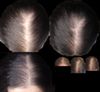
The conversation is about hair loss treatment using topical minoxidil, finasteride, and arginine, showing noticeable progress in one month. The user suggests adding arginine serum for better results.
The conversation discusses using a dermapen for microneedling to treat hair loss, with specific mention of using Minoxidil, Finasteride, Dutasteride, RU58841, KX-826, and other topicals. The user experienced side effects like palpitations and itching after microneedling and applying these treatments.
User experienced hair kinking after starting minoxidil, despite being on finasteride for two years. Another user confirmed similar issues and suggested switching brands due to propylene glycol in minoxidil.
The conversation discusses using a multimodal approach to treat androgenic alopecia, including substances like gamma-linolenic acid, DHA, sulforaphane, melatonin, cetirizine, astaxanthin, fisetin, apigenin, curcumin, limonene, genistein, and berberine. Users also mention using ketoconazole, minoxidil, and low-level laser therapy (LLLT) as part of their hair loss treatment regimens.
The user has been using 1.5mg finasteride daily for four months and added minoxidil with a dermaroller for one month but stopped due to eye floaters. There is some improvement in hair regrowth, and suggestions include continuing treatment, using ketoconazole shampoo, and considering other supplements like vitamin D, saw palmetto, and biotin.
19 year old male's three month results from using a combination of Minoxidil, finasteride and dermarolling for hair loss. It was suggested that adding Minoxidil could help with further progress.
Using a dermaroller can enhance hair regrowth, especially when combined with minoxidil, and is recommended at depths of 0.75-1.5mm weekly. Microneedling boosts absorption and blood flow, and red light therapy is also being considered for hair growth.
The conversation discusses using TH16, a topical melatonin with resveratrol, and stemoxydine for hair maintenance, avoiding finasteride and minoxidil due to side effects. The user is considering a low-dose topical finasteride despite sensitivity.
A user shared a hair growth stack using minoxidil sulfate, valproic acid, bimatoprost, blue copper peptide, and other ingredients, emphasizing a gel-based formula for better skin tolerance. Another user suggested adding a 5-alpha-reductase inhibitor like finasteride or dutasteride for more effective long-term results.
A 25-year-old male with seborrheic dermatitis and hair thinning seeks advice on the severity of his condition and treatment options. Oral finasteride and oral minoxidil are recommended as the most effective long-term treatments.
The user plans to dermaroll and use minoxidil for hair loss over the next 4 months, documenting progress monthly. They will also consider finasteride later and include vitamins, a custom shampoo, castor oil, scalp massages, and increased water intake in their regimen.
Microneedling, combined with finasteride and minoxidil, appears to enhance hair growth, with users reporting noticeable improvements. The process involves using a 0.5mm derma roller, which some believe increases blood flow and stimulates hair follicles.
Microneedling is debated for hair loss treatment, with some users finding it beneficial for minoxidil absorption and others skeptical of its effectiveness. Alternatives like finasteride and minoxidil are recommended, while tools like dermarollers, dermapens, and dermastamps are discussed for their pros and cons.
The conversation is about a user's 7-month hair regrowth progress using finasteride/minoxidil gel, minoxidil foam, ketoconazole shampoo, thickening shampoo and conditioner, biotin supplements, and plans to start using a dermaroller. Replies suggest a new haircut and commend the user's progress.
User shared progress after 4 months using topical minoxidil and oral finasteride, reporting noticeable regrowth and no side effects. Other users discussed their experiences and advice on similar treatments, including dutasteride and derma stamping.
Hair loss discussion includes treatments like Minoxidil, finasteride, and RU58841. Platelet rich plasma treatment is considered expensive but cheaper than hair transplant.
Female with PCOS experiences receding and thinning hair, wants dutasteride instead of spironolactone. Discusses desire to reduce DHT without losing libido.
A user successfully improved their hairline after 15 months using topical minoxidil and dutasteride. Some commenters question the necessity of treatment given the user's original hair condition, while others support early intervention.
The user is using Minoxidil, Finasteride, microneedling, and plans to add low-level laser therapy (LLLT) to treat hair thinning. They shared progress pictures showing results from May 8th to June 7th.
PP405, a topical LDH inhibitor, has shown to stimulate hair follicle stem cell proliferation in humans with moderate hair loss. They are advancing to more detailed trials this year.
The conversation discusses hair regrowth treatments using finasteride, minoxidil pills, and topical minoxidil, with a focus on the use of a 1.5mm derma roller. Users advise caution with derma rolling, suggesting smaller needle sizes and longer intervals between sessions to avoid skin damage and systemic absorption of minoxidil.
A user shared their hair loss journey, showing improvement after starting finasteride, dutasteride, minoxidil 5%, and microneedling. They are curious about their degree of baldness and why their hair has thinned.
The user is using topical dutasteride, minoxidil, and spironolactone for hair loss, with positive results after adding spironolactone. Another user takes oral spironolactone, dutasteride, and finasteride, noting decreased libido but no major side effects.
The user experienced noticeable hair regrowth using topical minoxidil and a dermaroller within a month. They are advised to consider DHT inhibition for lasting results.
A user shared their experience with hair loss treatments, including finasteride, minoxidil, and RU58841, which improved their hair from a diffuse NW3 to a solid NW2 - 2.5. They noticed significant changes in how people treated them after regrowing their hair, suggesting that attractiveness can greatly impact social interactions and opportunities.
The conversation discusses hair loss treatments, focusing on a new slow-release oral minoxidil compared to topical minoxidil and finasteride. The results show that twice-daily dosing of the new treatment is slightly more effective than once-daily, but concerns about cost, side effects, and the accuracy of reported results remain.
A person with hair loss due to seborrheic dermatitis saw improvement after treating the condition and using 5mg oral minoxidil, topical minoxidil, collagen, biotin, and vitamins. They are asking if the progress is real, and others have noted the oral minoxidil as a significant treatment.
The user is seeking advice on a hair loss treatment called Ell Cranell, which contains Alfatradiol. Another user shared information from a study stating that Alfatradiol only slows down or stabilizes hair loss, but does not increase hair density or thickness.
The user is excited about their hair regrowth after 10 weeks using oral finasteride, topical minoxidil, ketoconazole, dermarolling, and vitamin D. They've seen significant hair thickening and believe minoxidil and dermarolling are the main contributors to their progress.