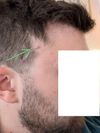
The conversation discusses using Minoxidil combined with Azelaic Acid and Tretinoin to promote beard growth. Specific treatments mentioned are Minoxidil (Min), Azelaic Acid, and Tretinoin.
Hair fibers effectively cover thin hair areas, boosting confidence and reducing stress about hair appearance. Users discuss combining hair fibers with other products like hair spray, dermmatch, and Boldify, noting challenges like blocking minoxidil absorption and the importance of color matching.
The user is using a hair loss treatment regimen that includes RU58841, minoxidil mixed with finasteride, adenosine, dermarolling with lidocaine cream, and biotin. They are questioning if they are dermarolling too aggressively and are willing to accept baldness if no improvement is seen in 6 months.
The conversation is about a user's hair loss treatment regimen, which includes Dutasteride, oral Minoxidil, topical Dutasteride, Minoxidil sulfate, antioxidants, and various supplements. The user is also using a derma stamp and has paused Tretinoin due to a TCA peel recovery.
The user had a hair transplant 10 months ago and sees some improvement but still has thin spots. They previously used finasteride pills and now use a topical solution of minoxidil, dutasteride, and tretinoin.
The user shared progress pictures after using topical finasteride, minoxidil, and tretinoin for about 9 months, along with weekly microneedling, cold showers, and a diet free of processed foods. They reported no side effects.
The conversation is about a user's 3-month hair regrowth progress using finasteride, minoxidil, and a 0.5mm dermaroller, with recent addition of caffeine shampoo. Users are responding positively and inquiring about application methods.
The user's experience with hair loss, their doctor explaining that they were likely hyper aware of thin spots due to anxiety and an underlying whorl in one area, and providing encouragement for those feeling discouraged. Treatments mentioned include minoxidil and spironolactone.
A female user is experiencing severe hair loss, especially at the crown and front, with broken and dull hair despite using Moroccan oil, shea moisture shampoo, and coconut oil. She seeks recommendations for a clinic or doctor as previous doctors attributed the issue to stress but offered no solutions.
Adding non-prescription topicals like alfatradiol and Zix to a standard fin/min/niz regimen may help with scalp inflammation and shedding, but their long-term effectiveness varies. Zix is recommended for reducing scalp inflammation and enhancing the effectiveness of other treatments.
Topical minoxidil with tretinoin is causing redness, stinging, and flaking on the scalp. Reducing application frequency and using anti-dandruff shampoo may help alleviate symptoms over time.
The user shared progress pictures after four months of using finasteride, minoxidil, a dermaroller, and biotin for hair loss. They discussed their treatment regimen and results.
A user shared their 3.5-4 month progress using Topical Minoxidil, Oral Finasteride, Keto 1%, and Dermastamp, reporting positive results despite some shedding and flaking. Replies praised the progress and inquired about the treatment routine and temple condition.
A user named KarensAnon who has been using minoxidil, finasteride, and derma rolling for hair loss treatments over the past 6 months with successful results in restoring their confidence. Other users have offered support and advice regarding similar treatment plans.
Microneedling daily at 0.3mm combined with topical finasteride and minoxidil is effective for hair thickening, with added benefits from near-infrared therapy. The approach may not improve the front hairline, and deeper microneedling is done monthly for better results.
The user shared their hair loss treatment routine, which includes daily finasteride, minoxidil twice daily, and derma rolling twice a week. They reported significant hair growth in three months without major side effects, except for initially watery sperm.
The post discusses the confusion about the optimal microneedling depth and frequency for hair growth, and when to apply treatments like minoxidil. A reply suggests the best method is using a 1.25mm depth every 7 days with a specific device, holding it for 10 seconds to stimulate hair growth.
The user has been using topical 0.3% finasteride, 5% minoxidil, and Nizoral for 5 months and is questioning if they are experiencing hair regrowth. The conversation revolves around identifying potential hair regrowth.
A 2-week journey with Pyri, which is producing positive effects on hair texture and reduced shedding; Minoxidil and derma needling are being used as treatments.
User 74775446 shares successful hair regrowth results using dermaroller/pen and minoxidil. Others discuss their experiences and concerns about finasteride side effects.
Topical minoxidil may cause skin aging effects like wrinkles and dark circles, possibly due to its alcohol content, while oral finasteride is reported to make users look younger. Switching to oral minoxidil or using moisturizers might help reduce these skin issues.
The user is struggling with seborrheic dermatitis and plans to try ciclopirox olamine after finding ketoconazole too drying. They are also using finasteride daily.
A user is using homemade topical spironolactone for androgenetic alopecia and is unsure about its effectiveness due to concurrent telogen shedding. They are seeking advice on others' experiences with homemade topical spironolactone.
Follicum discovered that their drug FOL-005 increased hair count by 12 hairs per cm2 in patients with less than 255 hairs per cm2 and is planning a phase 2b trial. They are currently fundraising for the trial, and the drug may also be effective for women.
The user achieved thicker hair using finasteride and minoxidil tablets daily, along with derma rolling twice a week. No side effects were reported, and noticeable improvements were seen after switching from topical to oral treatments.
Teenagers experiencing hair loss face ridicule instead of support, impacting their mental health. Effective treatments mentioned include minoxidil, finasteride, and dermarolling.
The user feels discouraged after three months of microneedling with no visible hair regrowth, despite using 5% topical minoxidil and 200mg of spironolactone. Others suggest waiting 12 months for results, checking vitamin D levels, and considering tretinoin or tazarotene cream instead of microneedling.