KY19382, a promising compound for hair loss, is not widely discussed or used. One user is currently testing it and plans to share results in a few weeks.
User experienced hair loss due to anorexia and stress, leading to a difficult journey with wigs and self-esteem. Hair regrowth occurred with spironolactone, but recent hair loss returned, causing uncertainty and emotional struggles.
A sugar gel called 2-deoxy-D-ribose (2dDR) shows potential for promoting hair regrowth by increasing blood supply to hair follicles, similar to Minoxidil, but its effectiveness in humans is unproven. It may benefit those who don't tolerate Minoxidil, but it is not a replacement for treatments like Finasteride or RU58841.
Kintor is accused of using fake pictures to promote their product, Pyrilutamide (KX826), which failed Phase 3 trials. Users express disappointment and note similar false advertising has occurred with finasteride and minoxidil.
A user is concerned about using more minoxidil than prescribed to cover their hair loss area and mentions taking spironolactone pills. Another user advises against men taking oral spironolactone due to significant hormonal effects.
The conversation is about the best vehicle for RU58841, comparing trichosol and Garnier/Vichy Stemoxydine, avoiding propylene glycol (PG) or ethanol due to previous scalp damage. The user is also seeking sources for these products in the EU.
The conversation discusses a patent for using topical resveratrol and melatonin to treat androgenetic alopecia (AGA) and also mentions interest in topical sulforaphane as a treatment.
A 20-year-old female is using finasteride 5mg and spironolactone 100mg for severe hirsutism and is experiencing minor side effects like water weight loss and irregular periods. She is concerned about potential future side effects and hair regrowth on her scalp.
OP is considering making a 5% topical Clascoterone (Breezula) for hair loss, as they use Minoxidil but can't use Finasteride due to side effects. They seek advice on creating the topical safely, possibly with help from a trained chemist.
User asked dermatologist for finasteride, received latanoprost and diprogenta cream instead. Others suggest latanoprost is expensive and not better than minoxidil, recommend trying another doctor for finasteride.
The conversation discusses the potential of a new hair loss treatment, GT20029, which targets androgen receptors in the scalp and is in phase 1 trials in China. Users express hope that this treatment will be more effective than current options like Minoxidil and Finasteride.
The conversation discusses using Sandalore for hair loss treatment, with a focus on finding the correct concentration for a topical lotion. The consensus is to start with a 0.1% concentration due to potential scalp irritation at higher levels.
The conversation is about making a 20mg/ml RU58841 solution for hair loss treatment using ethanol and propylene glycol. The user receives advice on calculating the correct amount of RU58841 powder needed.
The post discusses the potential of upregulating aromatase to treat hair loss, suggesting that increasing CCL2 levels through Vitamin D or microneedling might help. The user questions why microneedling doesn't work for everyone, especially those with advanced hair loss.
The conversation is about finding a reputable place to buy Clascoterone in the US. An alternative treatment, pyrilutamide, is suggested as a strong and official option.
GT20029 is discussed as a potential treatment for androgenetic hair loss by targeting androgen receptors, unlike finasteride which reduces DHT broadly. Concerns include its effectiveness, genetic variations in androgen receptors, and availability, with some skepticism about its potential as a true alternative.
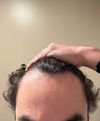
The conversation discusses alternatives to 5AR inhibitors for hair loss treatment, suggesting options like minoxidil, KX-826, pyrilutimide, microneedling, and topical bicalutamide. Concerns about side effects and the effectiveness of these treatments are also highlighted.
Clascoterone 5% solution is discussed as a potential new treatment for hair loss, offering an alternative for those who can't use finasteride or need additional options beyond minoxidil. Concerns about cost, effectiveness, and safety compared to existing treatments like RU58841 and finasteride are highlighted.
Clascoterone cream can be used on the scalp, but it may not be effective due to its dosage. AR antagonists like clascoterone are generally less effective than 5AR inhibitors for hair loss.
The conversation discusses a new product from Actifolic, which combines RU58841 and GHK-CU for hair loss treatment. The participants are considering whether it's worth trying.
ABS-201 shows promise for male hair regrowth by blocking the prolactin receptor, with higher expected efficacy than current treatments. The discussion also covers dosing differences between macaques and humans for hmi115, highlighting a significant dosage disparity.
The user "cooler1082" shared their progress pictures for hair loss after using topical finasteride, minoxidil, latanoprost, and biotin. Other users commented on the positive results and asked about the specific dosages used. One user mentioned that latanoprost is an eye medication that has shown some potential for treating hair loss.
Using finasteride and peptides, including GHK-Cu, improved hair thickness and regrowth. The user also used a KLOW blend and CJC/IPA for better sleep and recovery.
RU and Pyri block androgen receptors to prevent hair loss but may also hinder hair regrowth since they prevent testosterone, which can stimulate hair growth, from binding to these receptors. The user is questioning if this understanding is correct.
Clascoterone phase 3 results show promising improvements in hair count, but concerns about high costs and lack of detailed data remain. Users compare it to existing treatments like Minoxidil and Finasteride, expressing skepticism about its accessibility and effectiveness.
DHT may inhibit hair growth by affecting mitochondrial function, leading to hair follicle miniaturization. Treatments like minoxidil and PP405 may promote hair growth by altering metabolic pathways, potentially counteracting DHT's effects.
Minoxidil may age skin by slowing collagen synthesis, but using collagen peptides and a basic skincare routine might counteract this. Foam minoxidil could reduce systemic absorption and avoid alcohol-related side effects.
Musely sells a hair topical solution containing latanoprost, which degrades in 6 weeks, yet they market it as a 3-month supply. Concerns are raised about the product's effectiveness and the company's sales strategy.
Switching from propylene glycol to glycerin in topical finasteride may reduce systemic absorption and side effects while maintaining local scalp DHT suppression. Concerns exist about glycerin's ability to deliver the full dose to hair follicles.