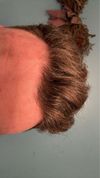
User experienced hair regrowth and stronger hair after using finasteride for one year. Others suggest continued improvement and better haircut to enhance appearance.
User started using stemoxydine with minoxidil for mild hair recession and maintenance. Stemoxydine improves hair appearance and behavior, making it fuller and shinier.
The user, a 27-year-old male, has been treating early hair loss with topical finasteride and minoxidil, then switched to oral finasteride and dutasteride, but has seen no improvement and plans to add oral minoxidil. Despite treatment, hair loss has progressed from Norwood 1-1.5 to Norwood 3, with noticeable thinning, especially on the left side.
A 19-year-old male experiencing hair loss is seeking advice on managing it without sexual side effects. He has used topical minoxidil and finasteride but experienced side effects, and is considering lifestyle changes to help slow hair loss.
A 29-year-old man had a successful hair transplant at Dr. Ulusan Clinic in Izmir, Turkey, receiving over 4600 grafts and exosome injections. He started using finasteride and minoxidil daily a month after shaving his head, which improved his confidence and outlook on life.
The user has been using 1.25mg oral finasteride daily and 1ml topical minoxidil twice daily for six months, along with Nioxin Ketoconazole and Nizoral shampoos, and reports no side effects and noticeable progress despite experiencing significant shedding. They are unsure if the results are genuine or if any changes to the regimen are needed.
The user has been using finasteride for two years to stabilize hair loss and is considering adding oral minoxidil for volume. They are also contemplating switching to dutasteride and possibly getting a hair transplant for better results.
A 26-year-old male is using oral minoxidil and finasteride to treat hair loss, experiencing prolonged shedding despite 6 months of treatment. Others share similar experiences, suggesting persistence with the treatment may eventually lead to improvement.
Pelage Pharmaceuticals received $120 million in Series B funding for hair loss treatment development. The conversation expresses excitement and anticipation for the release and effectiveness of the treatment.
A 29-year-old is experiencing hairline loss and has been using oral finasteride and topical minoxidil for two months, considering adding RU58841. They are advised to get a blood test for deficiencies and to style their hair instead of frequent haircuts.
The user tried LLLT laser treatment for hair loss, noticing less hair shedding and thicker hair after six months, emphasizing consistency and gentle scalp care. Other users questioned the authenticity of the post and inquired about the frequency and type of device used.
The conversation discusses hair loss treatments, specifically the use of dutasteride, finasteride, and the potential of mesotherapy. The user experiences hair loss despite low DHT levels and considers localized dutasteride treatment, while others suggest consulting a dermatologist and exploring other causes like malabsorption.
The user experienced hair regrowth using 1mg oral finasteride, 5% topical minoxidil, derma rolling, 1% ketoconazole shampoo, and a daily balding shampoo/conditioner over three months. They noticed baby hairs and positive changes, attributing early results to minoxidil.
A 19-year-old male experiencing diffuse hair thinning has been using oral minoxidil and finasteride for 6 months with no improvement. Suggestions include continuing the treatment, checking for underlying conditions, and considering nutritional or hormonal causes.
After 8 months of using oral Minoxidil 5mg and Finasteride 1mg, the user still experiences hair loss, particularly miniaturized hairs in the mid-scalp area, along with itching. They are concerned about losing around 40 hairs daily despite treatment.
The user experienced significant hair regrowth using finasteride and minoxidil, leading to doubts about proceeding with a planned hair transplant. Many suggest postponing the transplant to save grafts for future needs, as the current results are impressive.
A user, almost 50, has been using finasteride for 30 years and recently added oral dutasteride to address hair recession. They are now trying a new treatment stack including Minoxidil, Dutasteride, Melatonin, Rosemary oil, and Bimatoprost, along with derma stamping and Ketoconazole shampoo.
The user reports positive results from using finasteride for six months, noticing hair regrowth despite ongoing shedding and dry scalp issues. They suspect hard water and a possible vitamin D deficiency may also affect their hair condition.
The user experienced significant hair regrowth using minoxidil 5%, finasteride 1.25mg, and nizoral 2% ketoconazole shampoo, with the best results appearing after two years. Consistency in treatment was emphasized, and the user plans to continue using minoxidil.
The user is trying to regrow hair on a bald spot using a routine that includes Minoxidil, Mielle Organics products, and Toppik Hair Building Fibers. Other users suggest adding Finasteride or Dutasteride to block DHT for better results.
A 28-year-old has been using finasteride for five years, which stopped further hair loss but did not regrow the hairline. Recently, they started oral minoxidil to potentially improve results.
Hair loss without a white bulb may indicate mechanical damage, anagen effluvium, alopecia areata, or traction alopecia. Seeking a specialist is recommended, but access can be difficult in smaller areas.
A 22-year-old switched from finasteride to dutasteride for hair loss treatment, also using RU58841, and is managing hypothyroidism. Despite ongoing shedding, they report some improvement and plan to continue dutasteride for a year before considering minoxidil.
Topical finasteride may reduce more scalp DHT but is seen as inconsistent and messy compared to oral finasteride. Users report mixed results with both forms, with some preferring oral for its convenience and consistent dosing, while others find topical effective but harder to apply.
User used finasteride and minoxidil for hair loss, experienced side effects initially, but saw improvement after stopping minoxidil and ignoring side effects. New hairstyle also improved hair appearance.
The user is using a combination of hair loss treatments including finasteride, stemoxydine, oral minoxidil, RU58841, dermastamping, ketoconazole shampoo, collagen, Viviscal, and biotin, and has improved their diet. Despite these efforts, they are still experiencing hair shedding and scalp itchiness, and are considering increasing their minoxidil dosage or starting dutasteride.
An 18-year-old has been using oral finasteride and topical minoxidil for hair loss since January 1st, occasionally using ketoconazole shampoo. They are unsure about the progress and volume increase after three months of treatment.
A user is starting treatment for hair loss with topical minoxidil, oral finasteride, and is considering adding topical latanoprost but is unsure about the application frequency and method for latanoprost. They are seeking advice from others with experience using these treatments.
The conversation is about a 9-month hair regrowth progress using Dutasteride 0.5mg and Oral Minoxidil 2.5mg daily. Users commented on the improved hair quality and requested to see the hairline.
Hair fibers are discussed as a temporary solution for hair loss, with users noting they work well if applied correctly but can be messy and time-consuming. Some users also use finasteride for long-term treatment.