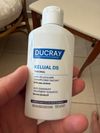
User discusses hair loss and treatments, including Minoxidil, finasteride, and RU58841. Concealers like dermamatch help improve appearance of hair thickness.
The user shares their positive experience with a hair loss treatment regimen including finasteride, Lipogaine (Minoxidil), Nizoral Shampoo, dermarolling, and a healthier lifestyle. They encourage others to start or continue their treatment without obsessing over potential side effects.
Setipiprant trial for hair loss failed, showing no difference between placebo and treatment. Discussion also noted placebo users reporting side effects.
A 27-year-old man with thinning hair saw improvement after stopping Rogaine and starting dermarolling with peppermint oil, experiencing less shedding and thicker hair growth. He also uses biotin caffeine shampoo, argan oil conditioner, and a mix of castor oil with peppermint oil after dermarolling.
A female user's six-month progress with only minoxidil and ketoconazole, including their experiences before and after using the treatments. They also discussed the differences between male and female hair loss and suggested that meds may offer more progress, though some results can be had without them.
The conversation is about hair loss treatments, including dermarolling, Minoxidil, Finasteride, and RU58841. Users discuss their experiences, side effects, and application methods for these treatments.
The progress made by someone using finasteride, minoxidil and Nizoral for hair loss over a 2.5 year period, with before and after photos to show the results. Replies included encouragements and questions about the treatments used.
A 21-year-old experienced significant hair loss after steroid use and stopping minoxidil. He plans to regrow his hair using a regimen of dermarolling, Lipogaine, finasteride, and vitamins.
The conversation is about using a DHT-blocking supplement alongside finasteride for hair loss. The user decided against the supplement and increased their finasteride dose from 1 mg to 2.5 mg per day.
New hair loss treatments like Shiseido/Replicel and Histogen were discussed, with cautious optimism about their availability by 2018. Setipiprant, Replicel, and Bimatoprost were mentioned as potential treatments expected around 2016-2017.
The user is experiencing scalp irritation and increased hair loss while on vacation, possibly due to hard water and sun exposure. They have stopped using a minoxidil and finasteride spray due to burning sensations and are using a prescribed betamethasone and salicylic acid solution along with ketoconazole shampoo.
People are discussing the potential benefits and drawbacks of a new time-release oral minoxidil (VDPHL01) for hair loss, with considerations about its cost, efficacy, and side effects compared to current treatments like 2.5mg doses and topical applications. Some users express interest in trying it if it proves effective and affordable, while others are cautious due to potential side effects or are satisfied with their current regimen.
OP experienced significant hair growth after switching from topical treatments to oral Dutasteride, alongside using CJC/Ipamorelin and Cialis. They stopped using topical Minoxidil and Finasteride, attributing the hair growth to the new regimen.
The user has been taking finasteride consistently for 3 months and noticed improved hair density without side effects. Some users suggest adding minoxidil for better results, but others advise against it due to the commitment required.
A user shared their experience with hair loss treatments, finding success with a topical hair serum containing GHK Cu and AHK Cu, which reduced shedding. They avoided hormonal treatments like finasteride and minoxidil, and noted skepticism from others about non-traditional treatments.
A 31-year-old man has been using Dutasteride since 2022, alongside topical Minoxidil, with positive results and no issues. His new healthcare provider expressed concerns about long-term Dutasteride use and suggested alternatives like oral Minoxidil and Spironolactone, but the patient is hesitant to change a successful routine.
The user shared progress pictures after 2.5 years of using oral minoxidil (5mg daily) and finasteride (1mg daily) for hair loss, noting significant improvements over time. They experienced normal shedding and some beard growth, with no negative side effects reported.
Gut microbiome imbalances can cause scalp inflammation and affect hair follicles, potentially leading to hair loss. Treatments include finasteride, peptides like BPC-157, TB-500, KPV, and lifestyle changes such as diet and exercise.
Shampoos can help with thinning hair by improving scalp health and reducing breakage, but they can't address genetic or hormonal causes. Effective treatments often include using topical minoxidil and finasteride, while the right shampoo varies per individual needs.
Using tretinoin with minoxidil may improve absorption but results vary; some users see improved follicle growth while others notice no significant difference. Applying tretinoin before minoxidil is suggested by some users.
The user experienced significant hair regrowth using 5mg oral Minoxidil and 0.5mg oral Dutasteride daily, with no side effects except increased body and eyebrow hair. They are concerned about progress plateauing but have not experienced shedding.
A 25-year-old male experienced increased testosterone and estradiol levels after starting finasteride for hair loss, leading his doctor to suggest a testicular ultrasound as a precaution. The user questions the necessity of the ultrasound, considering it potentially excessive, while others suggest it could be a useful precaution to rule out any issues.
The user experienced significant hair thinning and scalp irritation after three months of using topical finasteride. Suggestions include that shedding is normal before regrowth and switching to oral finasteride or addressing scalp inflammation might help.
The conversation discusses skepticism and diminishing excitement around the hair loss treatment PP405 due to unclear trial results. It also mentions other treatments like finasteride, minoxidil, VDPHL01 (extended-release minoxidil), and GT20026 as potential options for hair loss management.
The conversation humorously discusses using anal administration of Dutasteride as a novel method for treating hair loss, suggesting it could target DHT production more effectively. It includes satirical comments about the method's potential effects and absurd outcomes.
Pyrilutamide shows minimal systemic absorption with low plasma levels and no accumulation, suggesting it's unlikely to cause systemic side effects. However, full results are not yet published in scientific journals.
A user shared their 6-month progress using 1mg finasteride daily for hair loss, noting no significant shedding or changes in hair condition. They are considering starting oral minoxidil and received advice suggesting dutasteride and oral minoxidil 5mg for better regrowth.
The conversation is about a user running out of finasteride and seeking advice on alternatives or temporary solutions. Suggestions include trying different brands, using online prescribers, adjusting dosage, or considering a break from the medication.
Finasteride is unlikely to cause a drop in testosterone; it typically increases it by preventing conversion to DHT. The testosterone level drop is likely due to timing of injections or other factors, not finasteride.
Adding tretinoin to a regimen of minoxidil and finasteride led to increased hair shedding and worsened hairline for some users. Opinions vary, with some experiencing negative effects and others seeing no issues, but concerns about tretinoin's impact on hair loss are common.