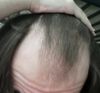
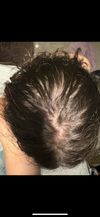
Focus on scalp health, not just DHT suppression, is crucial for hair regrowth. Effective treatments include Hair Restoration shampoo, LLLT laser cap, microneedling, and topical finasteride.
Pyrilutamide did not show effectiveness in regrowing hair compared to a placebo, but it may still help maintain existing hair by preventing DHT from causing follicle miniaturization. Some users believe it could be beneficial when used with other treatments like minoxidil, finasteride, and dutasteride.
A 28-year-old is experiencing hair loss despite using treatments like oral minoxidil, finasteride, and high-dose dutasteride (2.5 mg). They suspect lichen planus might be contributing to the issue and plan to continue treatment while monitoring progress.
An 18-year-old experiencing mild hair thinning is prescribed ketoconazole shampoo, clobetasol, and a solution with minoxidil, finasteride, and tretinoin. They are hesitant to start finasteride due to concerns about systemic absorption and its impact on facial hair development.
PP405 is a potential hair loss treatment that inhibits mitochondrial pyruvate carriers, increasing lactate dehydrogenase activity and stimulating hair follicle stem cells. In a phase 1 trial, 31% of participants showed over 20% hair density increase with PP405 treatment.
The user is experiencing stage 2 hair loss and thinning, noticing more scalp visibility with short hair. They are considering diet, yoga, scalp massage, supplements, and a serum recommended by their doctor, and questioning if it's safe to stop using the serum and whether to get a blood test since hair loss isn't a family trait.
The user is experiencing hair thinning and loss at the temples, likely due to androgenetic alopecia. Suggested treatments include finasteride and minoxidil to slow hair loss and promote regrowth, with buzzing hair short as a styling option.
A user who shared progress pictures of their scalp using a microscope camera, demonstrating the difference between healthy and miniaturized hair. Various explanations for the cause of this were discussed, such as DHT build-up in scalp sebum causing an autoimmune response leading to inflammation and eventual hair loss, with some suggesting a do-it-yourself treatment involving adding ascorbic acid powder to shampoo.
The conversation discusses the lack of clinical studies on cysteine alone for hair loss, with the original poster already using medications like Minoxidil and finasteride. Suggestions include trying 2ddr as a growth stimulant, though concerns about side effects like gas are mentioned.
A 15-year-old is experiencing uneven hair loss, with one temple receding significantly. They are considering using finasteride, minoxidil, or dutasteride to slow hair loss before visiting a dermatologist, and may consider a hair transplant in the future.
The conversation discusses GT20029, a compound by Kintor Pharma that degrades androgen receptors and is in trials, with potential as a hair loss cure. Another promising treatment mentioned is an antibody that blocks prolactin and has shown positive results in macaques.
A dermatologist prescribed methionine with vitamins for hair loss, but the user is doubtful and plans to seek finasteride in France. The user is unsure why finasteride or minoxidil wasn't prescribed, suspecting concerns about side effects or strength.
Caffeine intake may increase DHT levels, but its impact on hair loss is minimal compared to genetic factors. Excessive caffeine can cause health issues, and its effects on hair loss are not directly applicable to humans based on rat studies.
The user discusses their experience with diffuse unpatterned alopecia and acquired progressive hair kinkering, noting improvements with treatments including biotin, pantothenic acid, finasteride, ketoconazole, and zinc pyrithione shampoo. They report thicker, healthier hair and improved scalp condition, attributing success mainly to biotin, pantothenic acid, and finasteride.
A user is experiencing facial bloating from low-dose topical finasteride due to high estradiol levels and is seeking advice on using DIM to manage this issue, including dosage and brand recommendations.
Finasteride's potential side effects, especially sexual dysfunction, are discussed, with emphasis on hormonal balance between testosterone and estradiol. Users share experiences with finasteride, minoxidil, and dutasteride, highlighting the variability in side effects and the influence of mindset and lifestyle.
Winlevi (clascoterone) is discussed as a treatment for hormonal acne and seborrheic dermatitis due to its ability to block DHT and regulate sebum production. The post suggests that Winlevi could offer a novel approach for managing seborrheic dermatitis.
A user discusses switching from RU58841 to Pyrilutamide due to side effects like fatigue, brain fog, and elevated heart rate. They have used dutasteride, finasteride, and minoxidil, and are seeking safer alternatives.
A 28-year-old male is experiencing temple regrowth but crown thinning while using 5mg minoxidil and 0.5mg dutasteride. The shedding phase is seen as a positive sign of treatment effectiveness, with expectations of noticeable improvements around 6 to 12 months.
The conversation is about future hair loss treatments. Current treatments mentioned include finasteride, minoxidil, and RU58841, with potential future treatments like GT20029, TDM-105795, JW0061, and follicle cloning.
The conversation discusses the delay in the release of a new hair loss treatment, Pyrilutamide, and speculates on potential safety concerns as a reason for the delay. It also mentions GT20029 as another future treatment option, with a release at least five years away, and touches on the avoidance of research chemicals due to uncertainty about their authenticity.
The user is considering using topical finasteride for thinning hair around the middle part, vertex, and crown, and is unsure if the whole scalp is thinning. Another user suggests oral finasteride is more effective than topical, and recommends consulting a dermatologist for proper treatment.
How diffuse unpatterned alopecia (DUPA) is not an invitation to self-diagnose oneself with aggressive AGA and that seeking a specialized dermatologist may help people experiencing hair loss. Treatment options discussed include topical clobetasol propionate, oral minoxidil, and discontinuing finasteride.
The user discussed switching from RU58841 with Minoxidil to Finasteride due to cost, noting better physical feelings and hair growth with RU58841. They are considering returning to RU58841 and checking DHT levels after a month.
Hair loss can be linked to low testosterone, affecting DHT and estrogen levels. Treatments discussed include increasing testosterone, using Finasteride, and applying estrogen cream.
Checking vitamin and hormone levels is important for addressing hair loss, as deficiencies in vitamin D, zinc, and iron can affect hair growth. Treatments like finasteride, minoxidil, and vitamin supplements are used, but addressing deficiencies is crucial for effectiveness.
A new hair loss treatment, PP405, is moving from phase 2A to 2B in clinical trials, sparking discussions about its potential to regrow dormant hairs and its impact on existing treatments like Minoxidil and finasteride. Some users express skepticism, while others are hopeful about its future effectiveness.
The conversation is about whether low vitamin levels can cause hair loss. The consensus is that the user's vitamin levels are normal and unlikely to affect hair loss or the effectiveness of finasteride and minoxidil treatments.
An 18-year-old experienced severe side effects, including heart palpitations and high blood pressure, after using RU58841 once, leading to a referral to cardiology for suspected left ventricular hypertrophy. The user regrets using RU58841 and seeks advice on recovery, while others suggest preexisting conditions or genetic predispositions may be factors.