PRP treatments have been effective for the user, with a new recommendation of using a high-quality plasma kit once a year. The user seeks experiences with this specific PRP approach.
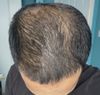
The user is discussing hair regrowth after 7 months of using topical minoxidil and RU58841, with some microneedling. They are hesitant to switch to finasteride or dutasteride and are seeking input on whether there is new growth or just more miniaturization.
The user has been experiencing prolonged hair shedding despite using Dutasteride, Minoxidil, and topical Finasteride, with blood tests showing high free testosterone and low SHBG. Suggestions include adjusting Minoxidil dosage, considering topical anti-androgens like RU58841, and addressing metabolic factors to increase SHBG.
The conversation discusses using a microneedling device on the face after using it on the scalp, with suggestions to use a depth of 0.2mm for facial treatments. Caution and proper sterilization are advised due to the sensitivity of facial skin.
A user shared their positive experience with hair regrowth using 1mg finasteride and 5% topical minoxidil daily, showing significant improvement in hair density over six months. The conversation includes supportive comments and questions about the treatment details, such as whether finasteride was taken orally or topically and if microneedling was used.
The conversation discusses hair loss linked to BDNF-increasing nootropics like Semax and Lions Mane. Suggested topical treatments include capsaicin, beta-glucan, and ginseng to counteract TGF-B activation.
The conversation discusses using topical dutasteride with a dermapen for hair loss treatment. The user is deciding between liposomal and mesosomal formulations for this purpose.
The user has been using finasteride for 6 months with decent results and recently added topical minoxidil. They are concerned that salicylic acid in their skincare products might reduce minoxidil's effectiveness.
A user in England seeks advice on where to get a custom blood test for DHT, PRL, estradiol, SHBG, testosterone, and free testosterone before starting dutasteride. They want a baseline measurement before beginning treatment.
A user is seeking advice on a new topical hair loss treatment containing Minoxidil 3%, Finasteride 0.3%, Progesterone 1%, Hydrocortisone butyrate 0.1%, and Ketoconazole 0.5%. They are concerned about the systemic absorption of Finasteride and plan to do blood tests and a spermiogram before starting.
After 4 months of using topical finasteride and minoxidil, blood tests showed increased E2, Test, and Prolactine levels. The user is concerned about potential side effects like gyno and is seeking advice on managing these values.
Switching from topical to an oral combo pill (1.2 mg finasteride, 3 mg minoxidil, vitamins) improved hair thickness without noticeable side effects. The user appreciates the convenience of a single daily pill over twice-daily topical applications.
The user experienced hair loss despite using Fin and Min for 12 years and switched to Dutasteride, RU58841, and Keto scalp serum, but shedding and itch persist. They are considering increasing Dutasteride to 2.5mg and questioning the necessity of a scalp biopsy, with mixed opinions on its usefulness.
The user had a hair transplant 5 years ago and is currently using 1 mg finasteride and topical minoxidil but is not seeing an increase in hair volume. They are considering another transplant to improve hair volume.
The conversation discusses using topical finasteride (0.25% gel) and minoxidil (5% foam) for hair loss, with users sharing experiences about application methods, microneedling, and results. Some users have switched to oral finasteride for convenience and cost-effectiveness, while others discuss the greasy nature of the topical solution.
The conversation discusses a person's experience with hair loss treatments, including 7 months of using finasteride and minoxidil, switching to oral minoxidil, using ketoconazole shampoo, and microneedling. They notice hair regrowth more with flash photography than in regular light.
The conversation is about starting microneedling for hair growth, with questions on needle sizes, session frequency, and reliable purchasing options. The user seeks clarity on FDA regulations and prefers to avoid certain online retailers.
The user is experiencing hair regrowth using daily 5% minoxidil and weekly microneedling, and plans to add finasteride soon. They are considering the effectiveness of once-daily minoxidil and adjusting microneedling needle size.
A human trial of verteporfin, a potential treatment for hair loss, with some users noting potential improvements in scarring and overall healing compared to control areas.
The conversation discusses whether to get a blood test to check DHT levels while using Dutasteride for hair loss and concerns about Quercetin's potential interaction with Dutasteride. It concludes that testing DHT isn't necessary unless no effects are seen, and the small amount of Quercetin in a multivitamin likely doesn't interfere with treatment.
The conversation discusses using a dermapen for microneedling to treat hair loss, with specific mention of using Minoxidil, Finasteride, Dutasteride, RU58841, KX-826, and other topicals. The user experienced side effects like palpitations and itching after microneedling and applying these treatments.
The user has been using oral finasteride, oral and topical minoxidil, RU58841, and microneedling to treat hair loss, with recent additions of oral dutasteride, GHK-Cu serum, and increased microneedling. They report visible thickening and new hair growth, expecting significant improvement by next June.
Folligenz liposomal minoxidil sulfate is being discussed for its effectiveness and cost, with users comparing it to regular minoxidil and tretinoin. One user found no difference with the 10% version and noted that a lower tretinoin percentage reduced side effects like skin peeling.
Minoxidil foam absorption concerns, with suggestions to use gloves or apply directly to the scalp to ensure proper absorption. Some users recommend using a scalp massager or switching to liquid minoxidil for better application.
Dermatologists use treatments like oral minoxidil, finasteride, and RU58841 for male-pattern baldness, considering side effects and patient preferences. Photobiomodulation is noted as mildly effective but costly, while PRP is debated for its effectiveness compared to microneedling.
The conversation discusses alternatives to 5AR inhibitors for hair loss treatment, suggesting options like minoxidil, KX-826, pyrilutimide, microneedling, and topical bicalutamide. Concerns about side effects and the effectiveness of these treatments are also highlighted.
A 27-year-old male with diffuse hair loss, including the donor area, did not respond to finasteride, dutasteride, or minoxidil. He suspects his hair loss may be linked to a mild connective tissue disorder, possibly affecting the structural support of hair follicles, rather than being purely hormonal.