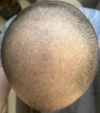
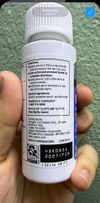
The user experienced significant hair regrowth after resuming treatment with oral minoxidil and dutasteride, following an initial period of using finasteride and minoxidil. They noted improvements in hair density and pigmentation, attributing the progress to consistent use of these treatments.
Concerns about the effectiveness of DHT inhibitors like finasteride and minoxidil due to potential polymorph issues. Experts suggest these concerns are largely unfounded, especially compared to rare cases like ritonavir.
A 29-year-old male is using alcohol-based 5% topical minoxidil, oral minoxidil 2.5 mg daily, and dermarolling to address hair loss, after discontinuing topical finasteride due to sexual side effects. He notices improved hair quality and thickness but is concerned about density and seeks feedback on his progress.
A user shared their 3.5-4 month progress using Topical Minoxidil, Oral Finasteride, Keto 1%, and Dermastamp, reporting positive results despite some shedding and flaking. Replies praised the progress and inquired about the treatment routine and temple condition.
The user started using finasteride, minoxidil, and biotin for hair loss and believes they are a hyper responder, noticing significant changes in hair thickness. They regret not starting earlier and mention using oral minoxidil.
The conversation discusses the effectiveness and value of a Locklabs pill containing finasteride, minoxidil, biotin, and a low dose of dutasteride for hair loss. The user is uncertain if the .1mg dutasteride dosage is sufficient and worth the cost.
PP405 significantly improves hair density, outperforming finasteride, with 31% of users seeing over 20% improvement in four weeks. Concerns exist about its availability, cost, and long-term effects.
The user has been using oral finasteride and topical minoxidil for two months and is seeking feedback on progress. Another user confirms there is noticeable progress.
The user switched from finasteride to dutasteride and is seeking feedback on hair changes after 4 months. The current regimen includes oral dutasteride, oral minoxidil, and topical minoxidil.
The user is using finasteride 1mg every other day and seeks a topical solution to complement it, excluding minoxidil. They are considering various combinations of ingredients like finasteride, dutasteride, and tofacitinib, with options for nourishing oils and other additives.
The user has maintained hair thickness using oral finasteride and minoxidil for four years, with suggestions to consider dutasteride or a hair transplant for further improvement. Some users recommend trying topical minoxidil with tretinoin or increasing the oral minoxidil dose for better results.
A male in his early 40s, who experienced side effects from finasteride, used 2.5% topical spironolactone for one year with no side effects but minimal regrowth. He plans to try a 5% spironolactone solution next.
Nutrafol progress for 8 months is discussed, with skepticism about its effectiveness. Finasteride and Minoxidil are mentioned as alternative treatments.
The user experienced significant hair regrowth and reduced shedding after using finasteride, dutasteride, and topical minoxidil for six months, with no major side effects. The user emphasizes the importance of tracking progress and plans to continue the treatment indefinitely.
A 25-year-old male using 1mg finasteride daily and 5% topical minoxidil twice daily noticed slight hair density improvement on the crown, less shedding, and no serious side effects except occasional mild discomfort. He uses Nizoral shampoo for itching and takes Vitamin D and Magnesium supplements, while maintaining a positive mental outlook and working on improving his sleep schedule.
Users discussed experiences with Everychem's solution similar to PP405 for hair loss, noting some positive results like increased hair thickness and new growth. There was skepticism about the product's legitimacy and safety, with some users reporting early signs of effectiveness and others expressing concerns about the lack of evidence and safety profiles.
The user is experiencing reduced hair shedding and increased hair density after using finasteride, minoxidil, derma rolling, granactive retinoid, and Nizoral, while also taking testosterone and aromatase inhibitors. They question if they are a hyper responder to the treatments, despite mixed feedback from others about visible progress.
A user is concerned about the impact of topical dutasteride on sperm quality and potential long-term fertility issues. They are using microneedling with a 0.025% dutasteride solution and are seeking information on whether sperm parameters return to normal after stopping the drug.
A 43-year-old with a history of hair transplants and long-term finasteride use reports seeing hair regrowth after adding oral minoxidil, micro-needling, and resuming topical minoxidil. Users agree that the hair appears thicker and denser.
Topical dutasteride is more effective than finasteride for hair loss but lacks FDA approval and research, leading to less use. Users report varying effectiveness and side effects, with some preferring oral treatments.
Topical finasteride remains active on the scalp for a certain period after application, and there is concern about the safety of touching the hair and transferring the medication to the fingers.
A user experienced increased hair density loss after 4 months on dutasteride combined with finasteride. They are also using topical dutasteride with azelaic acid and alfatradiol but cannot tolerate antiandrogens like RU58841 due to headaches.
Topical spironolactone is gaining attention as an alternative hair loss treatment, but it's not as effective as other options like finasteride. Oral spironolactone can cause side effects in men, and there are better topical alternatives like RU, Pyril, and CB.
Breezula shows promising hair growth results, with up to 539% increase in hair count compared to placebo, and regulatory submissions are planned in the US and EU. Users are cautiously optimistic, noting the potential for Breezula to replace finasteride by targeting DHT without systemic effects.
Topical finasteride is less popular due to inconvenience, cost, and availability, while oral finasteride is favored for ease and safety. Some users experience side effects with topical use, but find it effective with minoxidil, though opinions on its efficacy vary.
Ashwagandha topical formulation may increase hair density and reduce hair loss, but results seem too good to be true due to a small sample size. Users are skeptical about its effectiveness and are experimenting with different application methods.
Discussion on hair loss treatments, focusing on pp405, with skepticism about its effectiveness and concerns about its association with the cosmetic industry. Users also mention treatments like Minoxidil and Finasteride.