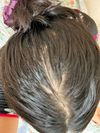
The user started finasteride and experienced increased shedding for five months. They are concerned about how low vitamin levels might affect the shedding and effectiveness of finasteride.
The user experienced scalp inflammation and rapid hair loss after using minoxidil, despite initial success. Suggestions included switching to minoxidil foam, using oils, trying aspirin, and considering RU58841 for inflammation and hair loss management.
41-year-old female experienced slow hair thinning, took finasteride for a year, then switched to spironolactone. Irregular periods occurred, seeking advice on long-term side effects and considering a third medication.
Mooseman1944 noticed hair regrowth and less shedding during the first 6 months of taking finasteride, but is now experiencing increased shedding and thinning hair. They are considering switching to dutasteride or adding minoxidil if there's no improvement by next August.
User experienced hair thinning due to high cortisol and thyroid issues, along with insulin resistance. They are taking magnesium, zinc, vitamin D, calcium, and selenium as supplements.
The conversation is about a user concerned about hair thinning despite using finasteride, minoxidil, RU58841, and recently adding dutasteride. Most responses suggest there is no noticeable difference in hair loss, attributing concerns to paranoia, and recommend continuing the current treatment or adjusting expectations.
A 22-year-old is experiencing hair loss, particularly fuzzy hair in the front, and is concerned about male pattern baldness. Treatments mentioned include Propecia (finasteride), minoxidil, PRP treatments, dermarolling, peppermint oil, and apple cider vinegar.
A user struggled with hair loss and ineffective vitamin treatments from their doctor. They eventually obtained a finasteride prescription through a telemedicine service and felt relieved.
A user claims to have reversed baldness, possibly due to telogen effluvium recovery after weightloss. Others discuss the potential success of using GHK-Cu for hair regrowth.
A 29-year-old female is experiencing severe hair loss and bald patches, seeking advice on shampoos, conditioners, hair masks, or topical medications. A user suggests starting an oral supplement.
A 20-year-old male switched from MorrF5 to Zeelab’s MinoxilF, both containing minoxidil 5% and finasteride 0.1%, and is experiencing unexpected hair shedding. He is seeking guidance on whether the shedding is due to the brand change or if it's a normal reaction.
The user switched from finasteride from Ro to Amazon pharmacy and noticed increased hair shedding and thinning, questioning if it's normal shedding or if they need to adjust their treatment. They have been using finasteride and topical minoxidil for 6-7 months without seeing regrowth or shedding initially.
The user switched from Kirkland to a new hair loss spray and noticed increased shedding after a month. They are unsure if the shedding is a positive response or a loss of previous gains and are seeking feedback on the new brand's effectiveness.
User losing hair for 3 years tried shampoos, minoxidil, derma rolling, finasteride, and Adegen's 15% minoxidil protocol without success. Another user suggests lowering finasteride dosage and trying topical non-steroidal anti-androgens like Fluridil, RU58841, and Breezula.
A user has been taking finasteride, using a derma-roller, LLLT, and argan oil, but experienced significant hair loss at the one-year mark. They are concerned if this is a normal shedding phase or something to worry about.
A 30-year-old woman experiencing rapid hair loss is using 5% Minoxidil, Saw Palmetto, vitamins, and Nizoral, but is advised to see a dermatologist as her symptoms may indicate a condition other than androgenetic alopecia, such as alopecia areata or a thyroid issue. Many suggest a biopsy and blood tests to determine the underlying cause.
A user shared progress pictures after 16 months of using 1 mg finasteride daily and 2% ketoconazole and ZP shampoo. They experienced hair loss after severe weightloss and are concerned about potential shedding from starting minoxidil.
A user with aggressive male pattern baldness found that topical melatonin significantly reduced their hair shedding to 1 or 2 hairs per day and noticed some thickening of side hair. They tried many treatments like finasteride and minoxidil with little success, but topical melatonin showed immediate results in reducing hair loss.
A female user has experienced severe hair shedding since stopping birth control in late 2022, diagnosed as telogen effluvium with no signs of androgenetic alopecia. Despite healthy living and optimal bloodwork, she continues to shed hair daily but also sees significant regrowth.
The user switched from finasteride to dutasteride and experienced heavy shedding around six months in, affecting even transplanted hair. They are seeking others' experiences with similar shedding after switching to dutasteride.
A 24-year-old male experienced increased hair shedding after switching to a new topical finasteride and minoxidil solution with a better carrier. He is concerned whether this shedding indicates progress or a setback in his hair loss treatment.
A 31-year-old with diffuse thinning experienced significant hair regrowth after nearly 5 months on Finasteride 0.75mg MWF. Despite initial side effects like testicle pain and reduced sex drive, these issues resolved, and positive effects included reduced nighttime urination and scalp itching.
A 21-year-old is experiencing severe hair loss despite using finasteride and minoxidil, and plans to try dutasteride. Others share similar struggles and suggest various treatments like RU58841, spironolactone, and hair systems, while emphasizing the emotional impact of hair loss.
A 24-year-old experienced hair regrowth with finasteride, minoxidil, and ketoconazole but saw a significant shed after four years despite continued treatment and healthy habits. They stopped minoxidil after shaving their head, noticed dandruff disappeared, and are seeking advice for potential regrowth.
The user is experiencing significant hair loss and has tried treatments like PRP therapy, topical and oral Minoxidil, Finasteride, and dietary changes, with limited success. They are concerned about losing more hair before a scheduled hair transplant and are advised to postpone the transplant to allow medications more time to work.
A 23-year-old male experiencing extreme hair shedding after increasing oral minoxidil to 2.5mg, previously used finasteride and dutasteride with minoxidil. Shedding is likely a common "minoxidil shed," indicating potential new hair growth.
Women also experience hair loss, especially post-menopause, often requiring lifestyle changes. Treatments include Scalp Micropigmentation, hair transplants, and sometimes finasteride, with underlying causes needing medical evaluation.
A 24-year-old started losing hair at 17 and began treatment with Dutasteride, Minoxidil, Biotin, and Saw Palmetto shampoo in November 2023. After initial success, hair shedding resumed, leading to concerns about treatment quality and effectiveness; the user plans to consult a dermatologist and consider buying medications directly from a pharmacy.
A 19-year-old is experiencing excessive hair shedding despite using minoxidil, finasteride, and dutasteride. They are seeking advice on why these treatments aren't working and if their current regimen is appropriate.
The user reduced their finasteride dosage and added vitamin D due to deficiency, questioning if this change could cause hair shedding. Another user suggests shedding is unlikely with this dosage change, but more likely with a stronger drug like dutasteride.