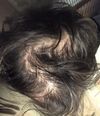
Sodium Laureth Sulfate (SLS) in shampoos and its potential impact on thinning hair. The user follows a regimen of shampoo, keto shampoo, and conditioner, seeking suggestions for better products.
A user is seeking a sodium lauryl sulfate-free ketoconazole shampoo for hair loss treatment. They are unable to find one and are asking for recommendations.
Minoxidil non-responders may benefit from using minoxidil sulfate due to reduced sulfotransferase activity in their scalps. Users are encouraged to share their experiences with minoxidil sulfate.
Collagen, chondroitin sulfate, hyaluronic acid, and MSM are used to improve hair appearance, making it fuller, thicker, and shinier. The user noticed significant hair improvement after resuming these supplements.
A user is seeking recommendations for a shampoo with 1% Ketoconazole that is sulfate-free. They are looking for a product without 'sodium laureth sulfate.'
A successful hair transplant with 3100 grafts combined with topical finasteride, minoxidil, Viviscal, biotin, sulfatefreeshampoo and Nizoral. People in the conversation talk about how the results look perfect and discuss the number of grafts and cost involved.
User shared 1-year progress after hair transplant and regimen including topical finasteride, minoxidil, viviscal, biotin, and sulfate-freeshampoo/nizoral. Users praised results and discussed application frequency and side effects.
A 7-month update from Markoj44 regarding their hair transplant results, which includes the use of topical finasteride and minoxidil in combination with Viviscal, biotin, Nizoral shampoo, and donor area photos. People responded positively to the post.
Sodium dodecyl sulfate, oleic acid, and palmitoleic acid may promote hair growth, but their safety and effectiveness for humans are uncertain. Users consider trying these treatments cautiously, exploring alternatives like ostrich oil and microneedling.
The user is experimenting with a zinc sulfate and B6 topical solution called "Zix" for hair loss, alongside using a zinc oxide scalp mask and low-level laser therapy (LLLT). They report minimal hair loss after three months of use and are seeking feedback from others who have tried similar treatments.
A user shared a hair growth stack using minoxidil sulfate, valproic acid, bimatoprost, blue copper peptide, and other ingredients, emphasizing a gel-based formula for better skin tolerance. Another user suggested adding a 5-alpha-reductase inhibitor like finasteride or dutasteride for more effective long-term results.
Minoxidil's effectiveness varies due to genetic differences in the SULT1A1 enzyme, affecting how well it converts to its active form, minoxidil sulfate. Hyper-responders may experience rapid hair growth and increased side effects, such as pericardial effusion, even at low doses.
The user treated seborrheic dermatitis and hair loss with a routine including sulfate-free tea tree oil shampoo, ketoconazole shampoo, minoxidil foam, microneedling, and supplements like Omega-3 and Vitamin-D. They experienced significant hair shedding initially but saw improvement over a year.
The conversation discusses using ZIX, a combination of Zinc Sulfate and Vitamin B6, for hair loss. The user is considering liquid forms for better absorption and scalp health.
The user showed 2-3 years of hair regrowth progress using oral finasteride, topical minoxidil, and microneedling. They plan to switch to oral dutasteride and Liposomal Minoxidil Sulfate for better results.
The user has been using finasteride, minoxidil, vitamin B12, biotin, vitamin C, resveratrol, zinc sulfate, and Nizoral for 5 months without seeing results. Suggestions include reducing dermaroller frequency and trusting the process as more time may be needed.
The conversation is about a user's hair loss treatment regimen, which includes Dutasteride, oral Minoxidil, topical Dutasteride, Minoxidil sulfate, antioxidants, and various supplements. The user is also using a derma stamp and has paused Tretinoin due to a TCA peel recovery.
A user experienced a tingling sensation in their mouth after taking a cut finasteride pill, possibly due to inactive ingredients like mannitol or sodium lauryl sulfate. Tingling is not a common side effect or typical allergy sign, but monitoring for unusual reactions is advised.
Hair loss can be managed by acting early, using treatments like Minoxidil, finasteride, and possibly dutasteride, along with lifestyle changes such as using sulfate-freeshampoos and eating protein-rich foods. Consulting a dermatologist and considering microneedling, vitamins, and anti-fungal shampoos are also recommended.
The user improved diffuse thinning without finasteride by using minoxidil foam, cold showers, gentle hair drying, 2% ketoconazole, sulfate-free tea tree oil shampoo, dermastamping, and supplements like Omega-3, Vitamin-D, Biotin, Keratin, Collagen, B3, Zinc, and Magnesium. The regimen was followed for about six months under dermatologist guidance.
A user experienced significant hair improvement using oral finasteride for six months, adding microneedling and switching to non-sulfateshampoo. They managed side effects by working out and noticed no negative impact on libido.
A 30-year-old female with telogen effluvium and androgenetic alopecia is using spironolactone, oral minoxidil, vitamin D, iron sulfate, and a hairmax laser band. She seeks recommendations for a dermastamp or derma roller, advised to use no higher than 0.5 mm.
A 22-year-old male is experiencing hair loss due to seborrheic dermatitis, not male pattern baldness, and is seeking advice. Suggestions include using Nizoral, sulfate-free and ketoconazole shampoos, cutting hair short, using cold water, avoiding picking scabs, and trying selenium sulfide shampoo or finasteride.
The conversation is about evaluating the ingredients in Davines VOLU shampoo for potential red flags. The user is concerned about which ingredients to avoid despite the shampoo being sulfate-free.
Progress made with a hair loss routine that includes topical Minoxidil/Finasteride, Nizoral shampoo and Micro needling. Additionally, the user switched to sulfate-freeshampoo and conditioner, as well as taking a Hair & Nails supplement.
A user who started using minoxidil and finasteride topically, micro needling weekly, Nizoral twice per week, and switched to sulfatefreeshampoo and conditioner. The user reported that after 1 month and 1 week of this routine they noticed their hair was thicker and healthier, with less shedding and no more dandruff or itching during workouts.
27-year-old female experiences aggressive hair thinning and hirsutism despite normal testosterone levels. Spironolactone and 2% minoxidil were ineffective; high DHEA sulfate levels may be the cause.
The user shared progress pictures after 6 months of using finasteride, minoxidil, dermarolling, vitamin D, and sulfate-freeshampoo. They are concerned about ongoing hair loss and are considering adding dutasteride.
Shampoos are unlikely to cause permanent hair loss; hair loss is more likely due to male pattern baldness (MPB). The user is advised that losing hair in the shower is normal, and to avoid shampoos with sodium sulfate.
A user shared their 9-month hair loss treatment routine, which includes using Minoxidil, taking Finasteride, and using sulfate-free conditioner and shampoo, along with a multi-vitamin and fish oil. They also avoid harsh environments and wear a hat in the sun to protect their hair.