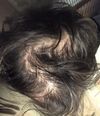
A user is seeking a sodium lauryl sulfate-free ketoconazole shampoo for hair loss treatment. They are unable to find one and are asking for recommendations.
A user is seeking recommendations for a shampoo with 1% Ketoconazole that is sulfate-free. They are looking for a product without 'sodium laureth sulfate.'
A successful hair transplant with 3100 grafts combined with topical finasteride, minoxidil, Viviscal, biotin, sulfatefreeshampoo and Nizoral. People in the conversation talk about how the results look perfect and discuss the number of grafts and cost involved.
User shared 1-year progress after hair transplant and regimen including topical finasteride, minoxidil, viviscal, biotin, and sulfate-freeshampoo/nizoral. Users praised results and discussed application frequency and side effects.
A 7-month update from Markoj44 regarding their hair transplant results, which includes the use of topical finasteride and minoxidil in combination with Viviscal, biotin, Nizoral shampoo, and donor area photos. People responded positively to the post.
The conversation discusses the presence of sulfates in Nizoral and Head & Shoulders shampoos. The user seeks advice on whether to return Head & Shoulders for a sulfate-free alternative and recommendations for a second shampoo/conditioner to alternate with Nizoral.
The conversation is about evaluating the ingredients in Davines VOLU shampoo for potential red flags. The user is concerned about which ingredients to avoid despite the shampoo being sulfate-free.
The user experienced hair loss from overwashing and frequent product changes, seeking alternatives to Minoxidil due to having pets. Suggestions included using oral Minoxidil, ketoconazole shampoo, and maintaining a consistent hair care routine with gentle, sulfate-free products.
Sodium Laureth Sulfate (SLS) in shampoos and its potential impact on thinning hair. The user follows a regimen of shampoo, keto shampoo, and conditioner, seeking suggestions for better products.
The user treated seborrheic dermatitis and hair loss with a routine including sulfate-free tea tree oil shampoo, ketoconazole shampoo, minoxidil foam, microneedling, and supplements like Omega-3 and Vitamin-D. They experienced significant hair shedding initially but saw improvement over a year.
Progress made with a hair loss routine that includes topical Minoxidil/Finasteride, Nizoral shampoo and Micro needling. Additionally, the user switched to sulfate-freeshampoo and conditioner, as well as taking a Hair & Nails supplement.
Hair loss can be managed by acting early, using treatments like Minoxidil, finasteride, and possibly dutasteride, along with lifestyle changes such as using sulfate-freeshampoos and eating protein-rich foods. Consulting a dermatologist and considering microneedling, vitamins, and anti-fungal shampoos are also recommended.
The user improved diffuse thinning without finasteride by using minoxidil foam, cold showers, gentle hair drying, 2% ketoconazole, sulfate-free tea tree oil shampoo, dermastamping, and supplements like Omega-3, Vitamin-D, Biotin, Keratin, Collagen, B3, Zinc, and Magnesium. The regimen was followed for about six months under dermatologist guidance.
A 22-year-old male is experiencing hair loss due to seborrheic dermatitis, not male pattern baldness, and is seeking advice. Suggestions include using Nizoral, sulfate-free and ketoconazole shampoos, cutting hair short, using cold water, avoiding picking scabs, and trying selenium sulfide shampoo or finasteride.
A user who started using minoxidil and finasteride topically, micro needling weekly, Nizoral twice per week, and switched to sulfatefreeshampoo and conditioner. The user reported that after 1 month and 1 week of this routine they noticed their hair was thicker and healthier, with less shedding and no more dandruff or itching during workouts.
The user shared progress pictures after 6 months of using finasteride, minoxidil, dermarolling, vitamin D, and sulfate-freeshampoo. They are concerned about ongoing hair loss and are considering adding dutasteride.
A user shared their 9-month hair loss treatment routine, which includes using Minoxidil, taking Finasteride, and using sulfate-free conditioner and shampoo, along with a multi-vitamin and fish oil. They also avoid harsh environments and wear a hat in the sun to protect their hair.
A 26-year-old male shared his one-year hair regrowth progress using 1mg of Finasteride daily, later increasing to 1.25mg, and applying Minoxidil twice daily, with no side effects. He also uses a paraben and sulfate-freeshampoo and occasionally dermastamps, noticing significant hair growth after three months.
The conversation is about a user's 5-month progress using topical Minoxidil (5%) and Finasteride (0.1%) twice daily, along with derma stamping, improved Vitamin D levels, and increased protein intake for hair regrowth. The user is considering dutasteride if progress plateaus and uses a sulfate and paraben-freeshampoo.
A female, aged 17-18, is experiencing significant hair loss, feeling hopeless despite trying various treatments like leave-in conditioners, omega-3s, supplements, sulfate-freeshampoo, and biotin. She is distressed as her hair continues to thin, affecting her body image and self-esteem.
The user experienced hair thinning despite using finasteride and switched to a ketoconazole shampoo without sulfates to address scalp itching and dandruff. They hope this will stop further hair thinning.
User Wonderful_Tonight910 suffered from hair loss and seborrheic dermatitis for years. After using irritant-freeshampoo, their scalp improved, hair loss stopped, and new hair growth appeared.
Ketoconazole shampoo can dry out hair, causing it to become frizzy and less manageable. Users suggest using conditioner, trying different shampoos, or reducing the frequency of ketoconazole use to mitigate these effects.
The user is concerned their shampoo is causing hair loss and seeks advice on whether to change it or if another issue is causing the problem. They are unsure if shampoo can lead to hair fall and are looking for guidance.
The conversation is about recommendations for a daily shampoo to use alongside topical finasteride and minoxidil treatments for hair loss. The user is currently using PURA D’OR shampoo and considering other options, while another user suggests Johnson's baby shampoo and shares their experience with finasteride, minoxidil, and PRP sessions.
The conversation is about finding a good shampoo to improve hair health and thickness, with recommendations including ketoconazole, pura’d’or, Head & Shoulders Dermaxpro, OGX Argan Extra, and OGX apple cider vinegar shampoo. Users discuss experiences with ketoconazole and suggest adding a scalp cleanser with glycolic acid to the routine.
Mixing ketoconazole 2% shampoo with coal tar and salicylic acid for seborrheic dermatitis is discussed, with users sharing experiences and alternative treatments like sulfur soap and scalp massage. Some users report success with these methods, emphasizing the importance of avoiding irritants and maintaining scalp health.
The user is using minoxidil, finasteride, Nizoral 2%, and microneedling for hair loss but finds Nizoral drying. They seek affordable shampoo and conditioner recommendations, with one reply suggesting baby shampoo for non-Nizoral days.
The conversation discusses using an apple cider vinegar shampoo bar as an alternative to Nizoral 2% ketoconazole due to excessive shedding. Users also mention starting minoxidil and considering finasteride, while exploring natural shampoo options to reduce scalp irritation and hair loss.