The conversation is about finding a source for Alfatradiol 0.1% as most available products are 0.025%. A suggestion was made to use four times the dosage of the 0.025% product.
DHT may inhibit hair growth by affecting mitochondrial function, leading to hair follicle miniaturization. Treatments like minoxidil and PP405 may promote hair growth by altering metabolic pathways, potentially counteracting DHT's effects.
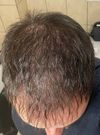
The user reports progress in hair regrowth using topical finasteride/minoxidil, microneedling, topical dutasteride, latanoprost, and MSM supplements. They express frustration over the lack of interaction on progress posts compared to trivial topics.
Cyclosporine A is discussed as a powerful hair growth stimulant, potentially more effective than minoxidil, but concerns about safety and side effects, including cancer risk, limit its use. The conversation highlights the need for further research and experimentation with topical application, despite its risks.
The conversation discusses using RU58841 with primobolan or masteron to protect hair while on steroids, alongside dutasteride. Users suggest caution with these compounds due to potential hair loss and discuss alternatives like nandrolone and EQ for better hair safety.
The user increased their steroid dosage and noticed hair shedding, so they adjusted their regimen by reducing steroid doses and adding oral dutasteride. They are also experimenting with combining RU-58841 and KX-826/pyrilutamide in minoxidil to address hair loss.
The user experienced significant hair thickening after using topical minoxidil and oral finasteride for about 5 months and is considering switching from finasteride to RU58841. Other users encourage the original poster to continue the current treatment due to the positive results.
A female user is seeking a DHT blocker without Selenium or Zinc due to hair breakage and is currently using Saw Palmetto, Nature's Bounty Hair, Skin and Nails, Pumpkin seed oil, Dermastamp, and Pura D'or products. She has tried Minoxidil without success and is considering Finasteride but prefers natural options first.
The user is experiencing worsening hair loss despite using finasteride and is advised to add minoxidil to their treatment. Concerns about side effects and the effectiveness of combining finasteride and minoxidil are discussed.
A user noticed deeper facial wrinkles since starting oral minoxidil in February 2023 and is concerned about its effects on collagen production. Other factors include past accutane use, high stress, poor sleep, and COVID-19.
Minoxidil 5% topical solution may cause eyesight problems, with some users experiencing blurred vision. The discussion also mentions finasteride's potential side effects, including erectile dysfunction, with varied personal experiences.
Minoxidil and caffeine may interact, affecting hair growth results. Users shared mixed experiences, with some noticing improvements without caffeine and others still seeing results despite coffee consumption.
The user experienced high estradiol levels after using topical finasteride at 0.1 mg/day, which normalized after discontinuation. They are questioning if this low dosage could significantly impact hormone levels.
The conversation provides tips to reduce facial skin side effects from Minoxidil, such as changing pillowcases, sleeping on the back, careful application, hydration, and taking breaks. One reply suggests that alcohol in Minoxidil formulations, not Minoxidil itself, may cause skin aging.
The user is exploring alternatives to finasteride and dutasteride due to concerns about side effects, and is using rosemary and jojoba oil, ketoconazole, minoxidil, microneedling, multi-peptide serum, saw palmetto, and stinging nettle for hair loss. They are also considering CB 03 01 and spironolactone.
OP has been using alfatradiol and a mix of rosemary, peppermint, and jojoba oils for hair loss, with inconsistent dermapen sessions. They plan to add topical finasteride at 0.025% later.
The conversation discusses DHT blocking treatments for hair loss, specifically mentioning Minoxidil, Finasteride, and organic flaxseed oil containing omega-3 fatty acids. It highlights skepticism about alternative treatments and emphasizes the proven effectiveness of Finasteride and Dutasteride.
CumShotDiva's update on using topical minoxidil orally in an attempt to regrow hair, which has been met with both support and criticism from other users. The conversation includes discussion of possible side effects and the efficacy of this approach.
The conversation is about finding high-purity RU58841 solutions for hair loss treatment, with mentions of Anagenic, Selleckchem, MV Supplement, and rudirect.co.uk as potential sources. Users discuss their experiences and preferences regarding product quality and shipping.
The conversation discusses adding crushed finasteride tablets to topical minoxidil, but it's advised against because the tablets are not water-soluble and meant for oral use. The suggestion is to take finasteride orally instead.
User started minoxidil, noticed forehead lines and dark circles, and asked for non-invasive skin aging prevention methods. Another user suggested using tretinoin and hyaluronic acid for long-term benefits.
The user experienced heart palpitations after increasing their oral minoxidil dosage and starting a new topical minoxidil formulation. They wish to stop oral minoxidil for heart health and continue with topical minoxidil.
Low-dose oral minoxidil is a safe and effective hair loss treatment with fewer side effects than previously feared. Users often prefer it over topical minoxidil for better results, though some experience side effects like increased body hair and cardiovascular issues.
The conversation is about making topical finasteride using ethanol. The user is advised to use non-denatured or food-grade ethanol, as denatured ethanol may be harmful with prolonged skin exposure.
Oral minoxidil is more effective than topical for some users, increasing hair density and thickness. Lack of response to topical minoxidil may be due to insufficient sulfotransferase enzyme, which can be upregulated with tretinoin.
The user experienced temple recession, shedding, and acne while on 0.5mg dutasteride, 1.25mg finasteride every other day, and 5mg oral minoxidil daily. They are considering switching treatments due to worsening symptoms and are contemplating using a topical anti-androgen like RU58841.
Counterfeit minoxidil can be identified by inconsistencies in bottle fill levels, label details, and smell compared to genuine products. Genuine minoxidil has a specific alcohol-based smell and consistency, while counterfeit versions may smell musky and feel greasy.
Mixing charcoal, Ketoconazole, and caffeinated shampoo is questioned for potential interaction, specifically if charcoal inactivates other ingredients. Charcoal is used for seborrheic dermatitis, while caffeine is thought to improve scalp blood flow.
A user seeks advice on mixing RU58841 serum using European ingredients, specifically struggling to find propylene glycol. They are looking for alternatives to American products commonly recommended in guides.