Creatine may increase DHT levels, potentially leading to hair loss, but whey protein and BCAAs are generally considered safe for hair. Finasteride can mitigate creatine's effects on hair loss.
The user is seeking natural hair loss treatments, avoiding finasteride due to side effects. They mention considering a $1,000 LLT helmet, Nutrafol supplements, and various unproven remedies.
Breezula protects hair follicles from both testosterone and DHT, unlike finasteride, which only protects against DHT. This could potentially lead to significant hair regrowth, similar to results seen in transgender individuals using hormone blockers.
The conversation discusses the idea of naturally lowering testosterone levels to potentially reduce DHT and help with hair loss, though it is speculative and not tested by the original poster. Participants suggest using treatments like finasteride, dutasteride, or RU58841 instead, as they directly target DHT without reducing testosterone.
Castor oil may help hair growth by targeting specific receptors and reducing certain scalp levels, with some users reporting thicker hair. Peppermint oil is suggested as an alternative to minoxidil, while opinions on the effectiveness of plant-based treatments for hair loss vary.
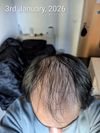
A user's progress pictures and four month finasteride update showing dramatic hair regrowth, as well as their experiences with other treatments like minoxidil. The conversation also includes advice on diet, testosterone levels, and the importance of avoiding baldness for attraction and confidence.
A 34-year-old female is experiencing hair thinning after stopping birth control pills and a damaging hair treatment. She has normal bloodwork and a normal trichogram but is considering trying MSM or Saw Palmetto for her hair loss.
The conversation discusses hair loss treatments beyond the commonly known three, focusing on separating effective treatments from myths. Dutasteride and low-dose oral Minoxidil are mentioned as having clinical evidence for increasing hair counts, but with potential side effects.
The conversation discusses using RU58841, a research chemical, for hair loss treatment. The user plans to use it due to side effects from finasteride and minoxidil, despite skepticism about its effectiveness and lack of FDA approval.
A 21-year-old has been using daily oral finasteride, minoxidil, biotin, and vitamins since January 2026 for hair loss, adding topical treatments and microneedling in May. They observed initial shedding and scalp issues but noted significant progress after adjusting their routine.
The user shaved their head, received positive feedback, and was advised to trim their beard. Friends suggested using finasteride and minoxidil for hair maintenance.
Minoxidil and finasteride have stabilized hair loss but not significantly improved regrowth. The user is considering dutasteride, oral Minoxidil, or a hair transplant for better results.
Hair regrowth was achieved using minoxidil, nizoral, alfatrodial, and pyrilutamide after finasteride caused side effects. The user recommends this combination for those who can't tolerate 5AR inhibitors, stressing consistent use.
A 24-year-old is considering a hair transplant but is hesitant due to cost and finding his shaved head looks better than expected. He plans to try finasteride to improve hair density after unsuccessful attempts with minoxidil and dutasteride.
Many users report negative experiences with Dutasteride, claiming it doesn't work as effectively as Finasteride for hair loss, despite some defending its efficacy. The conversation highlights skepticism about Dutasteride's effectiveness, with some users experiencing continued hair loss or no regrowth, while others see positive results.
There is no imminent cure for hair loss, but treatments like Minoxidil, Finasteride, and new drugs such as KX-826, GT-20029, and PP405 are being explored. Current solutions focus on slowing hair loss and stimulating growth, with hopes for better options in the future.
Oleic acid and microneedling are being explored for hair regrowth, but results are mixed. Addressing DHT and fibrosis is crucial, with treatments like finasteride, minoxidil, and scalp massage also discussed.
A 31-year-old Australian had a successful hair transplant in Turkey for $10,000 AUD, using minoxidil and finasteride to combat hair loss. He now has a full head of hair, increased confidence, and continues using finasteride with occasional minoxidil.
A person is worried about balding affecting their relationship and is using minoxidil, finasteride, and dutasteride. They are advised to be honest with their partner and focus on self-acceptance, as many people don't care about hair loss.
A 46-year-old man is using minoxidil, finasteride, and derma rolling for hair regrowth but is unsure of the results and considering a hair transplant. Many suggest he looks good bald and recommend continuing treatment or trying scalp micropigmentation.
The user experiences severe anxiety and physical symptoms after taking finasteride and is seeking alternative hair loss treatments since dutasteride is unavailable. They suspect an allergic reaction to finasteride and have stopped using it.
Hair loss in your 20s, with treatments like minoxidil, finasteride, dutasteride, and hair transplants discussed. Opinions vary between accepting baldness and pursuing aggressive treatments.
A user experienced significant hair growth using oral dutasteride and minoxidil but developed severe erectile dysfunction, likely exacerbated by obesity and diabetes. They plan to lose weight and possibly adjust medication to alleviate side effects.
A 26-year-old is using Minoxidil, Saw Palmetto, and dermarolling for hair loss and is considering switching to topical Finasteride. They are self-conscious about hair thinning and are seeking advice on whether to continue treatment or shave their head.
A user shared progress pictures showing hair regrowth after using minoxidil and finasteride for several months. Despite skepticism, the user reports noticeable improvement and aims to motivate others with hair loss.
Some embrace baldness, while others promote treatments like minoxidil and finasteride. Opinions differ on accepting baldness versus pursuing hair regrowth.
A 45-year-old man experienced positive hair regrowth using a combination pill of 5mg minoxidil, 1.1mg finasteride, and 1mg biotin over three months. He reported minimal side effects and prefers this treatment over hair transplants.
A man felt insecure when his date touched his thinning hair, causing awkwardness. He uses finasteride and minoxidil for hair loss but still struggles with confidence.
Long-term finasteride users report that the drug may lose effectiveness over time, with some considering switching to dutasteride or adding minoxidil to their regimen. Many users suggest hair transplants or adjusting treatments to manage hair loss progression.