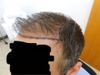
A 20-year-old is using minoxidil, finasteride, tretinoin cream, and microneedling for hair loss but sees no improvement in the crown area and is considering a hair transplant. Users advise patience with finasteride and suggest trying a low-dose oral minoxidil if no progress is seen.
PP405 shows initial promise for treating androgenetic alopecia, with safety confirmed in early trials, but skepticism remains due to limited data. Further trials are needed to determine its true efficacy and potential market impact.
Adding a daily scalp massage with an acupressure device before applying minoxidil can enhance its effects by improving blood circulation, with no side effects. Users are advised to continue microneedling weekly and consider using a derma stamp to avoid scarring.
Minoxidil can be effectively delivered through nanoemulsions containing eucalyptol or oleic acid, enhancing its diffusivity and targeting hair follicles. This contradicts the advice against mixing minoxidil with oils in topical formulations.
The user has been using a daily topical spray of finasteride and minoxidil, along with occasional microneedling, to address hair loss since August 2023, and is considering switching to oral medication for convenience and cost reasons. Despite progress, they are exploring options like increasing microneedling frequency or potentially undergoing a hair transplant to address a stubborn spot.
OP reported significant hair regrowth using oral minoxidil 5mg, dutasteride 0.5mg, and dermastamping. Users discussed side effects, effectiveness of treatments, and debated dermastamp needle sizes.
Be cautious when sourcing PP405 or its analogs from third-party suppliers due to potential safety risks and lack of regulatory approval. The conversation highlights concerns about counterfeit products and the absence of reliable testing, making it risky to use such treatments.
The conversation is about someone's six-month hair transplant outcome, with a user suggesting the use of finasteride and minoxidil to improve hair growth. Another user commented on the poor condition of the donor hair area.
The conversation discusses the use of 0.1% latanoprost for hair regrowth, with concerns about cost and dependency. The user currently uses dutasteride and oral minoxidil and is considering adding latanoprost to their regimen.
A person had a hair transplant using FUE with 4150 grafts after a previous FUT with 2000 grafts and is now using Dutasteride and oral Minoxidil. They are concerned about hair gaps on the side, questioning if they are a result of the transplant and if they are temporary.
The potential hair regrowth benefits of ASC-J9, a synthetic modified version of curcumin that is said to be more effective than Minoxidil and Finasteride. Reports from users suggest good thickening and temple regrowth with topical use at 0.025% concentration.
A 19-year-old with rapid hair loss since 16 is considering a hair transplant but refuses to take finasteride or any 5α-Reductase inhibitors. They are currently using minoxidil, tretinoin, and microneedling with a Derminator 2, and only want hair until age 27.
The user shared a positive 6-month update on their hair transplant from Turkey, where they received 6100 grafts for their hairline and mid-scalp. They are using finasteride, minoxidil, vitamins, oils, and shampoos to maintain and promote hair growth, and plan to address their crown in a future session.
OP saw significant hair growth after starting scalp exfoliation and using 5% topical minoxidil for 4.5 months, along with microneedling initially. Users discussed the benefits of exfoliation and inquired about experiences with finasteride and dutasteride.
The conversation discusses a hair loss prevention regimen using a custom topical treatment with Dutasteride, Minoxidil, Latanoprost, Cetirizine, Tretinoin, Vitamin D3, and caffeine, along with supplements like iron, selenium, vitamin D, and vitamin B. The user advises against expensive treatments like LLLT caps and unnecessary natural supplements.
PP405 may induce new hair growth but cannot revive completely dead follicles, and its effectiveness on hairlines is uncertain. It is expected to be available by mid-2028, but users are advised to manage expectations and consider using other treatments like minoxidil and finasteride.
The user has been using 5% Minoxidil twice daily, microneedling, and Nizoral shampoo for three months with noticeable progress. They are considering adding finasteride but currently take saw palmetto due to concerns about side effects.
Microneedling is considered an important addition to hair loss treatments like Finasteride, Minoxidil, and Nizoral, with evidence suggesting it enhances Minoxidil's effectiveness and can improve hair growth on its own. Users discuss various microneedling techniques, including heavy weekly sessions and lighter daily sessions, while expressing concerns about potential scalp damage and discomfort.
Hair loss treatment progress with Dut, Min, Keto, needling, and RU/Min/Fin/Dut topical. User noticed improvement, believes RU and needling most effective.
A satirical post humorously discusses a fictional hair regrowth drug called PP405, with users joking about its effectiveness and bizarre presentation. The conversation includes humorous reactions and references to the absurdity of the content.
The user is considering switching from topical to oral finasteride due to lack of progress with their current hair loss treatment, which includes topical fin/min, microneedling, Nizoral shampoo, oral minoxidil, biotin, collagen, tretinoin, and hair masks. A suggestion was made to try oral finasteride for potentially better results and to monitor progress over 6-12 months.
Verteporfin may improve hair transplant outcomes and reduce scarring, potentially allowing patients to avoid finasteride. Dr. Barghouthi seeks collaborations, volunteers, and financial support for research on verteporfin.org.
A user is using topical finasteride, minoxidil, and oral finasteride for hair loss but hasn't seen progress yet. They are considering switching to oral finasteride only due to scalp issues from the topical solution, but are advised to continue the current regimen for at least six months to a year.
Discussion on hair loss treatments, focusing on pp405, with skepticism about its effectiveness and concerns about its association with the cosmetic industry. Users also mention treatments like Minoxidil and Finasteride.
A user experienced severe side effects from using topical minoxidil sublingually, including muscle cramps, dizziness, and high potassium levels. They were advised to stop and seek medical help, emphasizing that topical minoxidil is not safe for ingestion due to its alcohol content.
A 30-year-old male shared his hair transplant experience after being diagnosed with Norwood grade 5 baldness, receiving 4000 grafts, and considering another 3000 grafts due to gaps. He is using minoxidil, RCP serums, multivitamins, anti-hair fall shampoo, a derma roller, and rosemary oil, but some users suggest he should have used finasteride or dutasteride earlier.