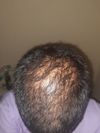
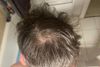
A 21-year-old male with a thyroid condition noticed his hair thinning uniformly without a receding hairline. He is considering using a 5ARI to prevent further baldness if he starts TRT.
Hair transplant results after 1 year discussed, with mostly positive feedback on density and appearance. User considers another surgery for hairline, but overall improvement noted.
A user's experience with hair loss and their successful hair transplant using finasteride to halt the loss for seven years, as well as other treatments such as Dut and RU58841 being discussed.
User shared progress pictures after 2 months of using 5% topical minoxidil, microneedling, and recently adding 0.01% topical finasteride. The minoxidil solution also contains caffeine, azelaic acid, retinol, adenosine, biotin, and niacinamide.
The conversation discusses the potential of a new hair loss treatment, GT20029, which may prevent hair loss by destroying androgen receptors on the scalp. Users express hope for the treatment's success and speculate on its usage routine, effectiveness, and possible side effects.
The user had a hair transplant in May 2020 with 2000 grafts and has been using minoxidil and finasteride for maintenance. They are considering a second hair transplant for the crown area but are currently holding off.
The user is using oral minoxidil for hair loss and is considering its effects on facial hair. They are advised that minoxidil can help with facial hair, but a DHT blocker like finasteride is needed for head hair.
Finasteride and dutasteride are discussed for hair loss, with concerns about their effects on neurosteroids and potential side effects like depression. Alternatives like topical estrogen and lifestyle changes are considered, with varying opinions on mental health and hair regrowth.
The user experienced good hair growth results using a combination of finasteride, minoxidil, and a topical formulation, but faced temporary numbness as a side effect. They manage this by microdosing oral finasteride and minoxidil and using the topical formulation sparingly.
Chris's hair transplant looks better, but the hairline is criticized for being too straight and unnatural. Some recommend using finasteride and minoxidil for maintenance.
A new topical medication, Clascoterone, shows promise for hair loss, improving hair count significantly. Trials for Breezula are ending, but sign-ups for PP405 trials are available for 2026.
The conversation discusses potential hair loss treatments, including Setipiprant, Bimatoprost, and Follicept. The user encourages signing up for Follicept, which may come to market soon.
The user was rejected from participating in a clinical trial for an extended-release oral Minoxidil due to having rheumatoid arthritis, despite initially being accepted. They had stopped using Dutasteride and Minoxidil to qualify but continued using other treatments like RU58841 and red light therapy.
Considering a hair transplant, using Pyrilutamide, the potential availability of CosmeRNA, and the significance of taking Minoxidil and Finasteride for long-term results.
A user who got a hair transplant and gave their experience with it, including how the donor area recovered quickly and the potential risks of getting a hair transplant at a young age. Other users discussed bleaching and dyeing transplanted hair, as well as asking about the clinic where the procedure was done.
A user was prescribed Alpicort E, which contains Estradiol Benzoate, Prednisone, and Salicylic Acid, for hair loss and is seeking others' experiences due to concerns about potential side effects.
Microneedling on the vertex may require trimming hair to ensure needles reach the scalp effectively. Using a needle length of 1.0โ1.5 mm is suggested, and longer hair might get damaged if not cut.
A user shared their positive experience with a hair transplant at Moart Clinic, involving approximately 10,000 grafts for a new hairline and crown. The procedure was smooth, with no pain, and the user is very satisfied with the results.
The user has been using finasteride and minoxidil for hair loss but experienced worsening temple recession. They suspect they might be more sensitive to testosterone and are considering trying RU58841 or CB 03 01 as additional treatments.
The user experienced hairline improvement using microneedling once a month with a 12-pin set at 1.5-2.0mm and taking Tru Niagen, alongside a heavily modified diet. They attribute the slow hairline improvement to environmental factors, particularly diet, rather than solely genetic factors.
The individual had a hair transplant in Turkey with 4052 grafts, resulting in significant hair growth and increased confidence. They use finasteride, rosemary oil, and vitamins, and are pleased with the natural-looking results, encouraging others to consider similar treatments.
The discussion revolves around the need for future oral DHT blockers for hair loss treatment that don't have the side effects of current options like Finasteride and Dutasteride. One user suggests that the future of hair loss treatment will likely be topical anti-androgens, as they can target hair follicles without affecting the entire system.
The conversation is about a user's hair loss treatment progress using a routine of Avodart (Dutasteride), oral and topical Minoxidil, Ketoconazole shampoo, and microneedling. The user reports no side effects and shows improvement after resuming consistent treatment.
The group buy for CB-03-01, a topical anti-androgen for hair loss, was postponed and refunded due to issues with the product's form and solubility. The product, also known as Breezula, is an alternative to finasteride with fewer side effects, but its official release is delayed until 2021.
User maintained hair with finasteride for 6 months, then switched to dutasteride for 7 months, using DHT blocking shampoo, keto 2% shampoo, and microneedling. Significant hair growth observed, especially on right temple.
A user's success in hair regrowth after taking oral and topical medications, such as minoxidil and dutasteride, and using microneedling. Other users shared their experiences and advice with treatments used to reverse hair loss.
Diffuse thinning can result in varied regrowth, with some users experiencing better results at the hairline and others at the crown. Treatments mentioned include finasteride, minoxidil (oral and topical), RU58841, microneedling, and dermarolling.
User tried topical finasteride mixed with minoxidil, Nizoral shampoo, oral minoxidil, and FUE hair transplant for hair loss. User asks when it's safe to trim hair after transplant and considers trying RU58841 or pyrilutamide.
Using a routine of 5% minoxidil, microneedling, and tretinoin for hair loss. The user seeks advice on the ideal weekly schedule for applying these treatments.
The conversation discusses whether a longtime NW7 scalp has vellus hairs under a microscope or is completely smooth. Treatments mentioned include Minoxidil, finasteride, and RU58841.