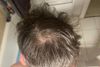
Microneedling on the vertex may require trimming hair to ensure needles reach the scalp effectively. Using a needle length of 1.0–1.5 mm is suggested, and longer hair might get damaged if not cut.
The user is using a topical solution with finasteride, minoxidil, and retinoic acid, which causes scalp residue and dryness. They seek advice on removing residue and keeping the scalp moisturized.
The user is experiencing a greasy and dandruff-prone scalp from using RU58841 with glycerin and is seeking alternative carriers for seborrheic dermatitis. They are also using dutasteride 0.5mg.
One study suggests a 0.2% caffeine concentration is nearly as effective as 5% minoxidil for hair loss, while other findings indicate that concentrations between 0.001% and 0.005% are more effective, with 0.001% being the most effective. There is no clear consensus on the optimal caffeine concentration for hair loss treatment.
Using a silicone scalp massager may help with dandruff and potentially improve the absorption of minoxidil and finasteride. The user has noticed peach fuzz growth after using minoxidil for over a month and finasteride for almost a month.
The conversation discusses concerns about using a high concentration of 1% topical finasteride for hairline balding, with some users suggesting starting with a lower dose. It also mentions the use of GHK-CU peptide and the importance of considering the formulation to avoid excessive absorption.
Comparing the effectiveness of RU58841, Pyrilutamide and CB-03-01 as treatments for hair loss, with people discussing different aspects such as binding affinity, time of inhibition, safety data and cost.
RU58841 is discussed as a treatment that stops scalp itching when used with finasteride or dutasteride. The user is considering trying RU58841 due to persistent itching despite using the "big 3" treatments.
A user with diffuse thinning noticed stubble-like hairs on their scalp after using 2% ketoconazole shampoo, dermarolling, castor oil, Vitamin D3, biotin, and iron supplements. They are unsure if this indicates regrowth or miniaturized hairs.
The conversation is about finding a non-mint scented topical dutasteride for hair loss treatment. The user dislikes the mint scent in current options and seeks an unscented alternative.
Clascoterone 5% solution is discussed as a potential new treatment for hair loss, offering an alternative for those who can't use finasteride or need additional options beyond minoxidil. Concerns about cost, effectiveness, and safety compared to existing treatments like RU58841 and finasteride are highlighted.
Creatine may cause hair shedding and texture changes, with mixed user experiences. Combining creatine with finasteride doesn't always prevent these effects, possibly due to individual DHT sensitivity.
The user experienced severe scalp itching after using RU58841 and ketoconazole shampoo, despite trying moisturizing treatments. They suspect the issue is related to the propylene glycol in the vehicle and are seeking alternatives.
The user switched from liquid to foam minoxidil to reduce skin irritation but finds foam harder to apply effectively to the scalp. A suggestion was made to melt the foam into a liquid for easier application.
OP asks if face copper peptides from Sephora can be used on the scalp for hair benefits. User233 suggests AHK-CU is mainly for hair, but GHK-CU can also be used.
Finasteride pills don't fully dissolve in a DIY topical solution due to fillers, resulting in residue. Users suggest shaking well before application and note that commercial solutions appear clearer.
Creatine may cause hair shedding in some individuals, particularly those with genetic sensitivity to hair loss, but this is not universally experienced. Finasteride users report mixed results, with some experiencing resumed shedding when taking creatine.
Topical dutasteride may have limited absorption due to its higher molecular mass compared to finasteride, potentially affecting its efficacy in suppressing DHT locally. Microneedling might enhance dutasteride absorption, possibly offering stronger local DHT suppression with fewer systemic effects.
The conversation is about whether 0.5 mg of finasteride reduces scalp DHT as effectively as 1 mg. Users suggest that even lower doses like 0.05 mg can significantly reduce scalp DHT.
Ursolic acid, found in apple peels, lemongrass, rosemary, and lavender, may have anti-androgen effects similar to finasteride. It might be beneficial for hair health when used with other treatments like Minoxidil, Finasteride, and RU58841.
An 18-year-old is concerned about their visible hairline and low hair density when considering a buzz cut. They are worried about potential negative reactions.
The user is considering starting a topical treatment for hair loss, using a spray containing 0.3% finasteride, 5% minoxidil, and 0.01% tretinoin. They are questioning the dosage and considering reducing the application to achieve 0.15% finasteride and 5% minoxidil.
The conversation is about a user experiencing a tingling sensation and redness on their scalp, possibly related to hair loss treatments. Suggestions include using Nizoral shampoo and consulting a dermatologist, while the user mentions using oral finasteride.
Mixing topical finasteride with essengen f and stemoxydine creates 0.25mg dose in 2ml. Minoxidil max suggests mixing 8.5ml essengen f with 60ml solvent for 0.25mg dose in 1ml.
The user experienced genital itching while using finasteride and noticed a yellow bump, which improved with clotrimazole, but the itching persists. The discussion focuses on side effects of finasteride.
The user has been using finasteride for over a year and noticed short, prickly hairs on their scalp that don't grow like the rest of their hair. Despite losing about 40 short hairs when washing, their overall hair density hasn't decreased.