Search
for
Sort by
Community Join
690-720 / 1000+ resultscommunity Scalp over skull massage and low hanging fruits of the basement: a cure?
Scalp massages may improve hair growth, with noticeable results in a few months. The technique involves detaching the skin from the skull, similar to detumescence therapy, and may be combined with other treatments for better results.
community REGROWING TEMPLES...From silk bald to strong Vellus hairs!
The user experienced tiny vellus hairs from 0.5mg finasteride and 2.5mg minoxidil over 9 months. Topical minoxidil, alfatradiol, and RU58841 applied twice daily for 1.5 months significantly improved temple hair regrowth.
community Dr. Bloxham Final verteporfin update
Verteporfin is being explored for its potential to improve hair transplant outcomes by reducing scarring and increasing donor hair follicles. There is skepticism about the results, with some claiming misleading presentation of evidence.
community 50M Norwood 6. 12 month topical finasteride/minoxidil results
community Thoughts and Opinions on upcoming hairloss treatments?
The conversation is about optimism for new hair loss treatments like Stemson's bioengineering, osteopotin, SCUBE3, GT20029, and Verteprofin, and inquires about other notable treatments.
community extreme hair growth on hairline and temples , no drugs
A user experienced extreme hair growth on their hairline and temples using natural remedies like onion juice, nail rubbing, more veggies and fruits, less carbs, jojoba oil, and dermarolling. They did not use Minoxidil, finasteride, or any prescription drugs.
community 2.5 Mos. Progress Topical Min - Oral Fin Begins Today
The user started using 5% topical Minoxidil in early November and noticed some hair growth, especially on the crown, and has just begun taking 1mg oral Finasteride. They plan to continue treatment and share progress updates.

community Oral Fin/min 1 year – diffuse thinning or parting hairline too much?
The user is concerned about whether their hair styling is causing thinning or if it's natural. They are considering treatments like Minoxidil, finasteride, or RU58841 for hair loss.
community 2 months progress?? on fin 1mg everyday and derma rolling .5 once a week.
A user shared their 2-month progress on finasteride 1mg daily and weekly derma rolling, showing noticeable hair regrowth. Replies confirm visible improvement, though some attribute it partially to lighting.
community Cbum's hair transplant looks absolutely terrible
A bodybuilder's hair transplant appears unnatural with a straight hairline and low density, possibly worsened by not using finasteride. The Turkish clinic is criticized for poor design, and the transplant may have been free for promotion.
community 5 months (.015% fin topical, 5% min, Microneedle .75mm) - How's the Progress?
User is using a homemade topical treatment with .015% finasteride, 5% minoxidil, and microneedling at .75mm depth. They also use 2% ketoconazole shampoo, various oils, and are considering increasing finasteride concentration due to mixed results.
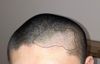
community One-sided diffuse thinning - what should I do?
The user is experiencing one-sided diffuse thinning and has been using finasteride and liquid minoxidil for 4-5 years with minimal results. They are considering whether to save for a hair transplant or address scalp sensitivity and irritation first.
community A concern regarding the upcoming androgen degrader drug GT20029
GT20029 is a topical treatment that degrades androgen receptors to prevent hair thinning and loss, potentially offering fewer side effects than systemic treatments like finasteride. Concerns include its impact on hair texture and potential systemic effects, with market availability speculated in 3 to 5 years.
community 7 months on just topical finasteride (caretopic)
A user shared their 7-month progress using only topical finasteride for hair loss. They recently started a new, non-FDA treatment and will evaluate its effectiveness in 6 months.
community 5 Months Progress Update — Before vs. After (Oral Fin + Oral Min stack, 35M)
community Regrowth Update on Crown/Vertex
User shared progress pictures of hair regrowth on the crown/vertex after a transplant and using finasteride, Minoxidil foam, and a dermapen. They hope to fully regrow or increase density in the crown area.
community Experiences with Topical Finasteride (Essegen F) Shed?
The user experienced side effects from oral finasteride and switched to a DIY topical solution, then to Essegen F. They noticed increased hair shedding with the topical finasteride and are concerned about its normalcy and duration.
community 3.5 month on fin min dermaroller
The conversation discusses hair regrowth using finasteride, minoxidil, and a dermaroller. Users also talk about the benefits of using a stamp over a derma roller for scalp treatment.
community Brandon Flowers-better styling or transplant?
community Black dots coming in along hairline, sign of regrowth?
User noticed black dots along the hairline and temples, questioning if it's regrowth. They are using a regimen including Dutasteride, oral and topical Minoxidil, and a compounded topical treatment.
community 10 months oral min topic fin 29 years old
Hairline shows new growth, and hair quality and thickness have improved significantly after 10 months of oral Minoxidil and topical finasteride. The user also switched from a 0.5mm to a 1mm dermaroller.
community Why is no one talking about this? Topical dutasteride out performs oral finasteride.
Topical dutasteride is considered more effective for hair regrowth with fewer side effects than oral finasteride. Users have mixed experiences, with some preferring topical applications for reduced side effects.
community Before/after: 4 months of topical minoxidil 5%, finasteride 0.5%, tretinoin 0.02%
community Hair transplant AI simulations research
A user developed AI software to simulate hair transplants on photos, helping people visualize potential results. The tool offers photo-realistic renderings but advises caution regarding exact outcomes due to various factors.
community Anyone tried Dr. Rassman's topical Finasteride? Is it liposomal?
The conversation discusses concerns about Dr. Rassman's topical Finasteride, specifically whether it is liposomal or glycol-based. Dr. Rassman insists on providing the correct liposomal formulation and urges patients to contact him if they receive the wrong product.
community Verterporfin combined with hairline lowering?
Verteporfin might be a potential cure for hair loss and could heal scars, which may lead to natural-looking results when combined with hairline lowering surgery. One person suggests waiting to see if verteporfin actually works as claimed.
community Why are the results so varied depending on WHERE you’re balding??
community Is topical finasteride as effective as oral finasteride?
Topical finasteride is almost as effective as oral finasteride with fewer side effects. Users are considering between oral and topical finasteride for hair loss treatment.
community Ru with gloves because of Systemic absorption?
The conversation is about whether to use gloves when applying 5% RU58841 to avoid systemic absorption and if washing hands with water is sufficient. Users question the concern, noting it is applied to the scalp.