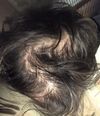
The conversation is about finding a reasonably priced shampoo with piroctone olamine in the US. The user is cautious about trying new or smaller brands.
The conversation discusses the differences between PG/Ethanol and KB solutions for RU58841 application, focusing on potential scalp irritation. KB solution is suggested for those allergic to PG, though both contain ethanol which can dry the scalp.
Zinc pyrithione and piroctone olamine are effective for reducing hair shedding, possibly more so than ketoconazole. There is a concern about zinc pyrithione shampoo interfering with minoxidil, but it's unclear if this is proven.
The user applies a topical solution containing minoxidil, finasteride, dutasteride, retinoic acid, and hydrocortisone to address scalp inflammation and is considering adding cetirizine to the mix. They are calculating the correct amount of cetirizine to add to their formula and have paused this approach to retry oral minoxidil.
Concerns about the long-term effects of dutasteride and finasteride on fertility, with discussions on cycling these medications to mitigate risks. The conversation highlights skepticism about study methodologies and the importance of weighing treatment risks against potential fertility issues.
The user improved diffuse thinning without finasteride by using minoxidil foam, cold showers, gentle hair drying, 2% ketoconazole, sulfate-free tea tree oil shampoo, dermastamping, and supplements like Omega-3, Vitamin-D, Biotin, Keratin, Collagen, B3, Zinc, and Magnesium. The regimen was followed for about six months under dermatologist guidance.
The conversation discusses whether topical finasteride, dutasteride, or antiandrogens like RU58841 can reduce sebum overproduction as an early indicator of their effectiveness in treating hair loss. It suggests that while hair growth may take months to observe, a decrease in oiliness could be a quicker sign of a product's action.
OP asked if a product from Amazon is sufficient to dilute finasteride. A user advised against using propylene glycol alone, suggesting a pre-made solution instead.
A 19-year-old with NW2-2.5 hair loss is starting finasteride soon, considering low dosages of 0.25mg daily or 0.5mg 3-5 times a week. They are also using derma stamping, ketoconazole shampoo, ACV washes, and various oils to maintain hair quality and reduce scalp itch.
A 24-year-old male has been using finasteride for 7 months and noticed thinning hair, especially when wet, and is concerned about the effectiveness of the treatment. Suggestions include continuing finasteride, considering minoxidil, and possibly trying micro-needling.
A user is considering using a 0.025% topical finasteride solution with DMSO to enhance absorption but is unsure about its effectiveness and safety. Other users express concerns about DMSO's properties and potential effects on the scalp.
Mixing ketoconazole 2% shampoo with coal tar and salicylic acid for seborrheic dermatitis is discussed, with users sharing experiences and alternative treatments like sulfur soap and scalp massage. Some users report success with these methods, emphasizing the importance of avoiding irritants and maintaining scalp health.
A user applied the 8T3 product for hair loss, targeting LPP and AGA, and plans to update on its effectiveness. The product uses a saline buffered phosphate vehicle, suitable for those intolerant to ethanolic vehicles.
The conversation is about managing hair care routines while using minoxidil and finasteride for hair loss treatment. Users discuss application timing, washing frequency, and additional scalp care tips to maintain consistency and effectiveness.
The conversation is about the FDA approval of WINLEVI for acne treatment and the anticipation of Breezula, a hair loss treatment using the same active ingredient, which may indicate a positive future for Breezula's release. There is disappointment that Breezula's results are not optimal, but it is seen as progress in hair loss treatment.
A user is considering mixing fast-drying minoxidil with Kirkland minoxidil to reduce greasiness and drying time. They also use liquid minoxidil to apply RU58841 powder.
The user has been treating hair loss with finasteride, dutasteride, oral minoxidil, and pyrilutamide for several years without success and is experiencing an inflamed scalp, possibly due to seborrheic dermatitis. They are seeking advice on additional treatments after these methods failed to improve their condition.
The user has been using 3mg oral Minoxidil and 1.1mg oral Finasteride for 15 months and plans to switch to 5mg oral Minoxidil, 1.1mg oral Finasteride, and 0.1mg oral Dutasteride. They have also used ketoconazole and salicylic acid shampoo for seborrheic dermatitis and hope to see more hair growth with the increased dosage.
The conversation is about making a solution of RU58841 using propanediol instead of propylene glycol due to skin irritation. The user seeks advice on whether this substitution is acceptable.
A user wants to make a solution for RU58841 and finasteride powder using only glycerin and asks if ethanol is necessary. They are seeking advice on whether glycerin alone is sufficient.
ABS-201 shows promise for male hair regrowth by blocking the prolactin receptor, with higher expected efficacy than current treatments. The discussion also covers dosing differences between macaques and humans for hmi115, highlighting a significant dosage disparity.
A user with diffuse thinning recommends a root cover-up spray as a temporary, medication-free solution. They plan to consult a dermatologist for treatments like Minoxidil and finasteride while using the spray for special occasions.
The user resumed using topical finasteride after a two-week break and will update on side effects like water retention and gynecomastia in a month. They are also starting DIM and zinc.
A user is testing clascoterone (Winlevi) on their scalp for hair loss and has noticed a reduction in scalp sebum after one month. They are also using other unspecified treatments and plan to provide an update after the second month.
The user experienced side effects from oral finasteride and tried mixing it with liquid minoxidil but faced application issues. They are seeking a 5% minoxidil foam with a maximum of 0.15% topical finasteride concentration.
The user experienced increased shedding and an itchy scalp after switching from Ascend to Aurobindo finasteride. They are considering switching to dutasteride and are concerned about elevated estrogen levels and the effectiveness of adding minoxidil later.