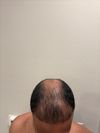
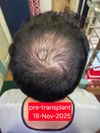
People are discussing creative ways to hide hair loss, such as using specific hairstyles and hair fibers. Some mention using medications like Minoxidil and finasteride to improve hair growth.
The user reported significant hair regrowth after seven months using topical minoxidil 5% combined with 0.1% finasteride and weekly micro needling. The community responded positively, noting visible improvement and discussing the effectiveness of topical versus oral finasteride.
The user shared progress pictures after 3 months of using topical finasteride, minoxidil, and microneedling for hair loss. They plan a hair transplant at 6 months, and others inquired about microneedling frequency and depth.
A user shared their experience with three hair transplants, finasteride, and minoxidil to combat severe hair loss, achieving significant regrowth. They discussed the process, costs, and maintenance, emphasizing that transplanted hair is permanent and doesn't require ongoing medication.
The user shared their 6-month progress using 5mg oral minoxidil, 1mg oral finasteride, topical 5% minoxidil, tretinoin, and weekly microneedling, noting improved results after adding these treatments post hair transplant. They hope for continued improvement.
Dr. Kang-Yell Choi's company, CK Regeon, is developing a drug called KY19382 for hair regeneration, which involves creating fine wounds to activate stem cells. The drug is in the formulation development stage, targeting markets like the US and Korea.
The user experienced new hair growth after switching from oral finasteride to topical RU58841 with minoxidil and undergoing stem cell therapy. They noticed new hairs at the hairline and temples, but are unsure which treatment is responsible.
Microneedling is effective for hair growth, especially when combined with finasteride and minoxidil, but concerns exist about potential long-term skin damage. Users report increased collagen and elastin deposition, but the long-term effects on the scalp remain uncertain.
The conversation discusses concerns about the potential risk of cancer from creating new hair follicles through microneedling, due to stem cell division. Specific treatments mentioned include microneedling, caffeine-containing anti-hair loss shampoos, and other unspecified topicals.
Using a derma stamp instead of a derma roller for hair growth is more effective and less damaging. The user experienced hair improvement with oral finasteride, topical minoxidil, and a derma stamp.
The user experienced significant hair regrowth using Rogaine foam, microneedling, Nizoral, liquid minoxidil, and topical finasteride over two years, with most progress in the last six months. They plan to evaluate their progress in the fall and consider a hair transplant if needed.
Rob Holding's hair transplant, which looks great despite the edited image of it; many respondents discussed their opinions on the hairstyle, while others suggested treatment options like Minoxidil and Finasteride.
The user is unhappy with the results of a FUT hair transplant from 2021, noting uneven hair texture and persistent thinning. They are considering a FUE procedure and have been using finasteride for a year, previously used minoxidil, and currently use Toppik for concealment.
The conversation discusses hair loss linked to BDNF-increasing nootropics like Semax and Lions Mane. Suggested topical treatments include capsaicin, beta-glucan, and ginseng to counteract TGF-B activation.
The user reports some hair regrowth after two months of using 1.5mm microneedling with Minoxidil and Nizoral shampoo. They note reduced pain and skin flaking, attributing changes to skin thickening and collagen induction.
User started minoxidil, noticed forehead lines and dark circles, and asked for non-invasive skin aging prevention methods. Another user suggested using tretinoin and hyaluronic acid for long-term benefits.
The user is pleased with their hair transplant results but is concerned about the vertex area. They use Minoxidil and finasteride daily and had the procedure at a clinic in Athens.
The conversation discusses the difficulty of applying tretinoin 0.025% cream on the scalp and considers switching to a gel for easier application. It also mentions that a liquid solution, ideally combined with minoxidil, may be more effective for hair treatment.
A 23-year-old discusses their hair loss treatment using finasteride, dutasteride, oral and topical minoxidil, and topical tretinoin under medical supervision. They stress stabilizing hair loss before a hair transplant and plan to continue the regimen for at least 18 months.
A 24-year-old had an FUE hair transplant in Liverpool at age 23, after starting finasteride at 20 to halt hair loss. The transplant involved 3000 grafts, and the user is satisfied with the results, noting increased confidence and no further hairline recession.
A 24-year-old is considering a hair transplant but is hesitant due to cost and finding his shaved head looks better than expected. He plans to try finasteride to improve hair density after unsuccessful attempts with minoxidil and dutasteride.
A 23-year-old plans a hair transplant and uses finasteride, Essengen 6 Plus, ketoconazole shampoo, dermarolling, vitamins, and Foligain capsules. He seeks advice on his regimen and the timing of the procedure, considering family history and potential future hair loss.
The conversation discusses potential future hair loss treatments, including SCUBE3, hair follicle cloning, and GT20029, with mentions of past disappointments like CosmeRNA and hopes for treatments like Verteporfin for infinite donor hair.
Adipose-derived stem cells with ATP improved hair regrowth in male and female mice with androgenetic alopecia. The most effective treatments were low dose stem cells with ATP for males and medium dose stem cells with non-liposomal ATP for females.
The conversation discusses hair regrowth using 0.1% finasteride, 5% minoxidil, 1% retinoid, weekly microneedling, and red light therapy, with noticeable improvement in a short time. One person is curious about the retinoid application process when used with minoxidil.
User tried topical fin, dut, min, tret, hydrocortisone, microneedling, nizoral, collagen, propidren supplements, and laser helmet for hair loss with slow progress. They ask if topical spironolactone is a safer, effective alternative to RU for suppressing testosterone and treating hair loss in men.
Scalp sunburns can cause permanent hair loss, so wearing UPF hats is essential. Tretinoin and Tacrolimus users should be cautious of increased photosensitivity and potential scalp issues.
Hair cell therapy and follicle cloning are still in experimental stages, with treatments like hair multiplication and regenerative hair therapy being marketed but not yet proven to create unlimited new follicles. There is skepticism about the effectiveness and legitimacy of these treatments, with some considering them scams.