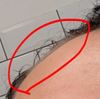
The user received 1600 hair grafts but is dissatisfied and plans a second transplant for better coverage. They use minoxidil and finasteride and are considering adding dutasteride.
The user is experimenting with a zinc sulfate and B6 topical solution called "Zix" for hair loss, alongside using a zinc oxide scalp mask and low-level laser therapy (LLLT). They report minimal hair loss after three months of use and are seeking feedback from others who have tried similar treatments.
User got a hair transplant and it improved their life. Transplanted hair lasts, but medication like finasteride is needed to maintain non-transplanted hair.
The conversation is about a person who underwent a hair transplant surgery after using Rogaine, finasteride, and Nutrafol. They received 2300 grafts and discussed the appearance and density of the transplant, with mixed opinions on the results and advice on future procedures.
The user is seeking advice on hair transplant techniques and surgeons to reshape a natural widow's peak into a more rounded hairline, preferring long hair transplants with minimal scarring and maximum density. They are currently using finasteride and oral minoxidil, which have not been effective, and are considering various surgeons primarily in English-speaking countries and the EU, excluding Turkey.
After a hair transplant, using finasteride and minoxidil is common to support graft survival and prevent future hair loss. Dermastamping can enhance effectiveness, while saw palmetto may offer weak DHT blocking benefits.
The conversation is about adding crushed bicalutamide or spironolactone to a topical mix with finasteride and minoxidil to suppress testosterone in hair follicles, similar to what RU58841 does. The user cannot obtain RU58841 in their country and is seeking advice on this alternative approach for hair loss treatment.
The conversation discusses the use of hair systems as a solution for hair loss. Users share their experiences, highlighting the natural look, confidence boost, and maintenance requirements of hair systems, while also addressing concerns about cost, stigma, and potential drawbacks.
A 36-year-old is experiencing underwhelming results from derma stamping for hair thinning, using needle lengths of 0.5mm to 0.75mm. They are considering increasing needle length, taking a break, or pairing the treatment with rosemary oil.
User had minor hair transplant in 2020, used Fin since 2008, Min since 2014, and added microneedling in 2022. Routine was irregular with no severe effects.
A user humorously questions getting a hair transplant, leading to a satirical discussion with jokes about missing ears and fictional characters. The conversation is lighthearted and doesn't focus on specific treatments like Minoxidil, Finasteride, or RU58841.
Using PP405 and Clascoterone after a hair transplant may not cause issues if the transplant didn't achieve native density, but could lead to competition for blood supply if it did. Some users suggest waiting for these drugs to be available, as they might not significantly impact blood supply or regrowth.
Corticosterone inhibits GAS6, affecting hair follicle stem-cell activity, with potential implications for stress-related hair loss. Ashwagandha and Vitamin K are suggested for reducing cortisol, but their effectiveness is debated.
The user shared their hair transplant progress, using saw palmetto, vitamins, biotin, zinc, ginseng, ozonized olive oil, and a dermaroller with serum. They avoid finasteride due to trying for a second child.
User tried topical fin, dut, min, tret, hydrocortisone, microneedling, nizoral, collagen, propidren supplements, and laser helmet for hair loss with slow progress. They ask if topical spironolactone is a safer, effective alternative to RU for suppressing testosterone and treating hair loss in men.
The user is considering postponing a scheduled hair transplant to see if finasteride and minoxidil treatments improve hair growth. Another user suggests waiting several months to assess the effectiveness of the medications before deciding on surgery.
The user had a hair transplant in 2021 with 1600 grafts and is currently using finasteride, minoxidil, biotin, and collagen. They are considering another transplant in Turkey to address a bald spot and improve coverage in the front and middle.
User seeks participants for Verteporfin group buy. Verteporfin, FDA approved, may regenerate hair follicles and sweat glands through heavy microneedling.
The conversation discusses choosing between titanium fixed needles and a pen with disposable needles for hair loss treatment at a 1.5mm depth. The preference is for disposable needles for better sanitization.
A 57-year-old man uses a hair system, not a hair transplant, and likely had cosmetic procedures. Discussions include the effectiveness of hair systems and finasteride side effects.
Microneedling before a hair transplant may harden the scalp and affect blood circulation, potentially impacting graft growth. Some users report successful transplants after microneedling, while others advise caution and consulting with a surgeon.
TWIST-1 gene's role in hair loss and potential as a treatment target. Inhibiting TWIST-1 may prolong hair growth and reduce hair follicle sensitivity to DHT.
People with hair loss experience emotional struggles and body dysmorphia. Treatments like minoxidil, finasteride, and dutasteride are used, but results vary and can take time.
The user started on Finasteride, switched to Dutasteride, and is considering microneedling but was advised against it by their hair surgeon due to potential scalp issues affecting a planned hair transplant. Other users suggest alternatives like Minoxidil, PRP, and avoiding microneedling due to the risk of scar tissue impacting transplant results.
The conversation is about organizing hair regrowth results using a standard format in a single post for easier access. Treatments mentioned include oral minoxidil, oral finasteride, and dermarolling.
The user shared a positive 6-month update on their hair transplant from Turkey, where they received 6100 grafts for their hairline and mid-scalp. They are using finasteride, minoxidil, vitamins, oils, and shampoos to maintain and promote hair growth, and plan to address their crown in a future session.
A 36-year-old male had a 3000-graft FUE hair transplant in Turkey, with 2000 grafts to the front and 1000 to the crown. Post-operation, he experienced nausea, dizziness, itching, and pain, but saw hair growth and plans to take pictures once redness subsides.