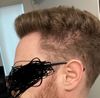
A 26-year-old shared their 2-month progress using finasteride, minoxidil, microneedling (1mm weekly), and vitamin D3 for hair loss. They are pleased with the results.
The conversation discusses hair loss treatment options, focusing on finasteride and its potential effects on gynecomastia. The user is considering finasteride while managing hormone levels with supplements like boron, vitamin D, zinc, magnesium, and P5P, and is advised to consult an endocrinologist for further evaluation.
A woman found that taking grass-fed collagen powder helped with her alopecia, leading to hair regrowth and reduced hair loss. She initially took it for gut issues, not hair, and also noticed improvements in arthritis and reduced bruising.
The user had a rough week after being told they couldn't get a hair transplant due to insufficient donor area and worsening balding. They were advised to increase their oral Minoxidil dosage and consider switching from Finasteride to Dutasteride.
Increased scalp itching during shedding phases while on finasteride treatment may coincide with hair regrowth and recovery. This suggests that itching might not always indicate continued hair loss and could encourage persistence with the treatment.
A 28-year-old shared his successful hair transplant experience using 2800 grafts, oral minoxidil, and finasteride, resulting in a natural look. The procedure cost 1 lakh INR, and recovery took 7 days.
A user shared an 8-month update on their hair transplant surgery, which used 1800 grafts for aesthetic refinement, resulting in a natural-looking hairline and improved confidence. The procedure was performed by Dr. Abhinav Kumar, and the user is pleased with the results.
The user experienced severe hair shedding despite using oral finasteride, minoxidil, dutasteride, and RU58841, and was diagnosed with Non-Alcoholic Fatty Liver Disease (NAFLD). They are considering switching to topical treatments due to the ineffectiveness of their current regimen.
High prolactin levels may contribute to hair loss, and some users suggest supplements like mucuna pruriens, vitamin B6, vitamin E, L-Tyrosine, L-Theanine, DIM, and Zinc to lower prolactin. Lifestyle changes to increase dopamine, such as reducing screen time and stress, are also recommended.
Intradermal botulinum toxin (BTX) injections effectively treat androgenetic alopecia (AGA) by inhibiting TGF-β1 secretion from hair follicles. Further research and long-term follow-up are needed to confirm these findings.
The conversation is about a person's 6-week progress using 2.5 mg oral minoxidil, 0.5 mg dutasteride, weekly derma stamping at 1.5 mm, and rosemary oil for hair loss, with some initial shedding but no side effects. They are optimistic about future results.
A user shared their positive experience with a 3500 graft FUT hair transplant by Dr. Scott Alexander in Phoenix, AZ, costing $14,000. They are using a daily Hims finasteride and minoxidil tablet and are pleased with the results, despite some initial concerns about scarring.
The user has been using topical minoxidil (5%) for two years and kx826/pyrilutamide for one year, after experiencing side effects from finasteride. They report positive results from the combination of minoxidil and kx826 in combating hair loss.
The user is experiencing diffuse thinning despite using oral minoxidil (3mg), dutasteride (0.5mg), microneedling, scalp massaging, and vitamins. Suggestions include increasing the minoxidil dose, checking for scalp conditions, and continuing current treatments.
Late 20s woman struggles with worsening hair loss and tried various treatments without success. Now trying spironolactone and ketokonazole shampoo, hoping for improvement.
The user had a hair transplant of 3400 grafts, primarily focusing on the hairline, and is happy with the results four months post-surgery. They used topical minoxidil, oral minoxidil, finasteride, and topical dutasteride, along with microneedling and Nizoral, and the procedure cost around $12,000.
The user has been treating hair loss with finasteride, dutasteride, oral minoxidil, and pyrilutamide for several years without success and is experiencing an inflamed scalp, possibly due to seborrheic dermatitis. They are seeking advice on additional treatments after these methods failed to improve their condition.
A user shared a six-month update on hair improvement using Pyrilutamide and Minoxidil, noting significant hair regrowth and strength. Some participants questioned the legitimacy of the results and the source of Pyrilutamide.
A 21-year-old male diagnosed with telogen effluvium and male pattern baldness started oral finasteride, which initially slowed hair loss and slightly thickened hair, but experienced increased shedding after surgery. The doctor recommended iron and vitamin D supplements, and the user is seeking additional advice.
Scientists discovered a potential baldness treatment from hairy moles, which can be injected like Botox. Users discussed the treatment's implications, including its safety and effectiveness.
RU58841 helped reduce scalp itching for some users within a week, while others experienced immediate relief. Some users reported initial irritation from the solution, possibly due to the carrier used.
The user underwent a biopsy two years ago and was diagnosed with keratosis pilaris, leading to hair issues. They tried treatments including Minoxidil, betamethasone, lymecycline, topical Accutane, and dutasteride, as well as diet changes, without improvement in hair thickness or skin dryness.
A 25-year-old male with seborrheic dermatitis and hair thinning seeks advice on the severity of his condition and treatment options. Oral finasteride and oral minoxidil are recommended as the most effective long-term treatments.
User experienced hair loss due to anorexia and stress, leading to a difficult journey with wigs and self-esteem. Hair regrowth occurred with spironolactone, but recent hair loss returned, causing uncertainty and emotional struggles.
People are waiting for KX-826 (Pyrilutamide) Phase 2 data to decide on hair loss treatments, with some considering finasteride or minoxidil in the meantime. Pyrilutamide is seen as a potentially stronger and safer alternative to finasteride, but concerns about side effects and availability remain.
A user discussing their hair transplant progress at 8 months, expressing concern about lack of growth in the front. They're currently using Minoxidil and dutasteride, and considering microneedling. The responses suggest waiting for full growth, which can take up to 13-14 months.
The conclusion of the conversation is that the user has experienced significant hair regrowth using a combination of medications, including dutasteride, RU58841, and minoxidil. They have not experienced any noticeable side effects and are considering a hair transplant in the future.
Pyrilutamide, a new drug being tested to combat hair loss that has been found to perform comparably or better than finasteride and dutasteride in the initial 6 months of treatment with minimal reported side effects.
The user is pleased with their hair transplant results after nearly 7 months, noting thicker, longer, and stronger hair with good coverage and full donor recovery. They are using oral minoxidil and finasteride.