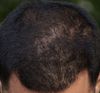
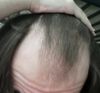
The user is experiencing hair thinning on the sides and back of the head while the top remains thick. A reply suggests it might be retrograde alopecia.
A 25-year-old male experienced significant hair loss due to telogen effluvium and androgenetic alopecia. He began using finasteride, minoxidil, and vitamins, seeing some regrowth but remains worried about hair density.
User "tresslessatbest" shares her experience with androgenic hair loss and treatments. She found success using men's Rogaine 5%, spironolactone, dermaroller, biotin, blackcurrant seed oil, prenatal vitamins, and Nizoral shampoo.
The conversation discusses coping with hair loss and the emotional impact of balding, with some users finding peace in shaving their heads. Treatments mentioned include minoxidil, finasteride, and lifestyle changes like diet and exercise.
A 19-year-old male has been using topical finasteride and minoxidil for 8 months with no progress and is considering seeking a second opinion due to potential misdiagnosis. The discussion revolves around whether the hair loss is due to male pattern baldness, alopecia areata, or a vitamin deficiency.
A 25-year-old is experiencing chronic telogen effluvium (TE) and androgenetic alopecia (AGA) after surgery, using finasteride, red light therapy, and supplements, and considering oral minoxidil despite heart concerns. They are unsure whether to start minoxidil before or after an upcoming surgery, which may trigger another hair shed.
A user shared their 6-month progress using finasteride for hair loss, reporting significant improvement without side effects. They previously used saw palmetto and currently take omega-3, curcumin, and vitamin D supplements.
The user is experiencing severe hair loss after surgery and stress, with thinning all over the head, including the sides and neck. They are unsure if it's due to DUPA or alopecia areata incognita, and doctors have not observed miniaturization.
A 24-year-old male experienced hair loss despite using minoxidil and finasteride, later switching to dutasteride, higher-dose minoxidil, iron supplements, and derma stamping, which initially improved his condition. However, after moving to a stressful environment and undergoing minor surgery, his hair loss rapidly increased, particularly on one side of his temple.
The conclusion of the conversation is that the user should consider using treatments such as finasteride, minoxidil, and RU58841 to potentially reverse their hair loss. Other suggestions include using hair loss concealers and maintaining a healthy diet.
The individual is experiencing hair thinning primarily at the front/middle of their scalp and is seeking to identify the type of hair loss they have. They already use treatments like oral Minoxidil, topical Finasteride, Tretinoin gel, dermarolling, and various oils and shampoos.
The conversation discusses treating male pattern baldness in a transgender woman using cyproterone acetate, finasteride, and biotin. The original poster shared their experience for others who might be in a similar situation.
The user is experiencing a strange hair loss pattern despite using dutasteride for 3 years and minoxidil with tretinoin for 1.5 years. They recently added microneedling and are considering a scalp biopsy to understand the cause.
Hair loss can begin in early adolescence and cause mental anguish. Treatments mentioned include eating cruciferous vegetables, engaging in physical activity, and maintaining scalp hygiene.
Hair loss may be linked to blood flow and inflammation, with treatments like Minoxidil, finasteride, and quercetin being discussed. The conversation also mentions the role of 5AR enzyme distribution in hair follicles.
The user is experiencing hair thinning and loss at the temples, likely due to androgenetic alopecia. Suggested treatments include finasteride and minoxidil to slow hair loss and promote regrowth, with buzzing hair short as a styling option.
The conversation discusses hair thinning and treatments like finasteride, dutasteride, oral and topical minoxidil, and RU58841. Users share experiences with retrograde alopecia, hair transplants, and stress-related hair loss, while also considering thyroid issues and other potential causes.
A user is considering a hair transplant in a "mohawk" pattern with scalp micropigmentation (SMP) on the sides and back, questioning its feasibility and appearance. Others discuss donor region quality, potential scarring, and alternative treatments like dutasteride and RU58841.
A 21-year-old with accelerated hair loss due to stress and weight loss is using minoxidil, finasteride, and microneedling to combat balding, despite experiencing a significant initial hair shed. They are committed to continuing treatment for at least three months and are considering switching to topical finasteride if necessary.
After suffering from hair loss and trying various treatments like finasteride, minoxidil, RU58841, and scalp micropigmentation without lasting success, the individual found freedom and a renewed sense of self by shaving their head and accepting their baldness. They encourage others struggling with hair loss to not waste years searching for a cure and to consider embracing a shaved head as a positive solution.
A 19-year-old female with Diffuse Alopecia was advised by a dermatologist to use vitamin supplements, a hair serum, and antifungal drops, leading to some improvement. Other users suggested treatments like minoxidil, microneedling, and consulting a different dermatologist for further advice.
A 25-year-old experiencing hair thinning all over the body and head, despite using minoxidil and having low vitamin D levels, is advised to seek a second opinion from a dermatologist specializing in hair loss. The likely diagnosis is diffuse alopecia areata, which may require treatment with a JAK inhibitor.
A user shared their successful 1-year update after a 2300 FUE hair transplant in Seoul, Korea, praising Dr. Ko's work for achieving a natural-looking hairline. The conversation includes admiration for the results and inquiries about the procedure's cost and requirements.
The user is experiencing one-sided diffuse thinning and has been using finasteride and liquid minoxidil for 4-5 years with minimal results. They are considering whether to save for a hair transplant or address scalp sensitivity and irritation first.
The user is experiencing hair loss with possible causes including chronic telogen effluvium, diffuse alopecia areata, and androgenic alopecia. They have tried treatments like Nizoral shampoo, minoxidil, and finasteride, and are considering a biopsy for further clarity.
A user diagnosed with Crohn's disease is concerned it might contribute to balding. They have been using keto shampoo, finasteride, and oral minoxidil, which improved their hair but not significantly.
How diffuse unpatterned alopecia (DUPA) is not an invitation to self-diagnose oneself with aggressive AGA and that seeking a specialized dermatologist may help people experiencing hair loss. Treatment options discussed include topical clobetasol propionate, oral minoxidil, and discontinuing finasteride.
The user is experiencing severe hair loss and color change despite low testosterone levels and healthy lifestyle changes. They have tried ketoconazole shampoo and consulted a dermatologist, who found no scalp issues but suggested using Toppik for coverage.
A 22-year-old is experiencing diffuse hair thinning all over the head, losing about 300 long hairs daily, despite having good genetics and vitamin levels. They are seeking advice on whether this pattern is normal and considering consulting a dermatologist.
The individual has experienced a sore, stiff, and itchy scalp with hair loss for 4.5 years, and has noticed increased thinning and miniaturized hairs, especially at the temples. They have tried ketoconazole shampoo without success and are considering finasteride for treatment.