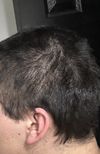
A 27-year-old Asian male is treating hairloss with 1mg oral finasteride, topical minoxidil twice daily, and 1.5mm microneedling weekly. The discussion is about his progress with these treatments.
A user noticed worsening hairloss and is considering treatments. They plan to use finasteride, Rogaine, and a ketoconazole shampoo, and seek advice on their effectiveness and usage.
Hairloss has slowed, but uneven growth and kinking persist despite using keto/nizoral shampoo and clotrimazole. Stress and anxiety might be contributing factors.
The user has been using oral finasteride for 15 months and oral minoxidil for 6 months, and developed alopecia areata, for which a dermatologist prescribed calcipotriol/betamethasone. The treatment is helping, but the user is experiencing another shedding phase and is concerned about the effects of the steroid cream and the cause of hairloss.
The user is experiencing hair shedding despite starting finasteride 4 months ago, with no signs of miniaturization. They are seeking advice after normal blood tests and similar family experiences.
A 25-year-old is experiencing mild hairloss and is using a regimen including scalp brushing, dermarolling, topical minoxidil, caffeine, melatonin, and a DHT-blocking shampoo. Another person shares their struggle with hairloss due to drug use and plans to start finasteride while trying to quit drugs.
Genetics primarily determine hairloss, not lifestyle factors like diet, exercise, or habits. Treatments like finasteride and minoxidil are recommended, but ultimately, happiness should not depend on hair.
User losing hair for 3 years tried shampoos, minoxidil, derma rolling, finasteride, and Adegen's 15% minoxidil protocol without success. Another user suggests lowering finasteride dosage and trying topical non-steroidal anti-androgens like Fluridil, RU58841, and Breezula.
The user shaved their head and noticed some hair regrowth and thickening due to Minoxidil and finasteride. They are content with their hairloss and have accepted it, while also observing that others don't notice the thinning as much as they do.
A 23-year-old experiencing severe diffuse thinning after scalp inflammation is considering finasteride as a last resort after stopping minoxidil and using anti-inflammatory medication. Users suggest that inflammation causes temporary shedding and recommend consulting a dermatologist, with some advocating for finasteride as a reliable treatment option.
High sugar diets may worsen hairloss by increasing 5α-reductase activity and androgen levels, especially in women with PCOS. A low sugar diet might reduce scalp DHT levels, similar to finasteride, but genetics also significantly influence hairloss.
Early hairloss causes emotional distress, and common coping strategies like fitness and fashion are inadequate. Treatments like finasteride, minoxidil, dutasteride, hair systems, and scalp micropigmentation were tried but were unsatisfactory.
Increased scalp itching during shedding phases while on finasteride treatment may coincide with hair regrowth and recovery. This suggests that itching might not always indicate continued hairloss and could encourage persistence with the treatment.
Diet can influence hair health, but male pattern baldness (MPB) is primarily genetic. Treatments discussed include Minoxidil, finasteride, and RU58841.
A user with diffuse hairloss after taking accutane, which might have triggered genetic predisposition to AGA; their experience taking finasteride and experiencing side effects of increased oil production, increased sex drive, worsening hair texture; they are considering zinc supplementation with finasteride or other treatments such as alfatradiol or spironolactone.
A 45-year-old with NW class 6 baldness reports unexpected hair regrowth without a transplant after starting a new treatment in Lahore, Pakistan. Previous treatments with Minoxidil and Finasteride showed no progress, but the new specialist's approach is yielding results.
Hairloss treatments discussed include Minoxidil, Finasteride, and RU58841. Topical and oral spironolactone show potential in improving hair growth when combined with topical Minoxidil.
Analyzing data on pyrilutamide, a potential hairloss treatment, as well as the effectiveness of other treatments such as Minoxidil, Finasteride, and RU58841.
The user experienced hair thinning, possibly due to long COVID and prediabetes, and saw regrowth after dietary changes and using biotin shampoo. They are taking vitamins and noticed significant hair regrowth, especially at the widow's peak.
Hairloss possibly caused by a fungal infection might be treated with antifungal shampoos or oral medications. If not fungal, treatments like minoxidil or finasteride may be necessary.
The post discusses various hairloss treatments including minoxidil, finasteride, microneedling, vitamins, lifestyle changes, and reducing prolactin levels. The user reports positive results after 4 months of treatment, including increased hair growth.
Hairloss progress pictures can be misleading due to differences in lighting, hair length, and wetness, making it hard to accurately assess changes. Treatments mentioned include minoxidil and finasteride, with some users expressing skepticism about their effectiveness.
A 25-year-old experiencing genetic hairloss used minoxidil, biotin, and cystine but stopped due to routine fatigue, leading to worsened hairloss and unwanted body hair growth. They are hesitant about finasteride due to potential side effects and are seeking advice on effective treatments.
A 30-year-old man shares his successful hairloss protocol, which includes finasteride, Nizoral shampoo, low-level laser therapy, microneedling, and past use of oral minoxidil. He plans to consider dutasteride and possibly hair transplants in the future, while advising caution with crown transplants before age 35.
A 20-year-old experiencing hairloss is using minoxidil and ketoconazole shampoo but had to stop finasteride due to side effects. They are considering a hair transplant and debating whether a thick beard can compensate for hairloss in terms of attractiveness.
The user "Bishiop" shared a comparison of their hair progress over 9 months using oral finasteride, topical minoxidil, and microneedling. Other users commented on the results and shared their experiences with hairloss treatments.