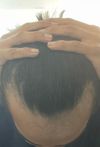
Hair loss discussion includes topical spironolactone treatment, used 1-2 times daily for 2 weeks with no changes yet. Minoxidil and Propecia caused nasty side effects for the user.
User shares 4-month hairline progress using minoxidil, finasteride, nizoral, and dermarolling. Others discuss treatment details and express admiration for the results.
Naepo's 5-month progress report detailing their journey of treating male pattern baldness with dutasteride and oral minoxidil, which has already resulted in an encouraging improvement in hair density. Others have responded with appreciation for the thorough report and asked further questions about Naepo's educational background.
Minoxidil may cause facial aging or wrinkles, though opinions vary. Some users report side effects like dark circles and facial bloating, while others attribute changes to genetics or other factors.
A new company is introducing a topical treatment combining Minoxidil, Finasteride, and Bimatoprost for hair loss. Users are also inquiring about updates on a minoxidil-enhancing shampoo from Applied Biology.
A user shared progress pictures after one year of using 2.5mg Minoxidil and 1.25mg Finasteride for hair loss. The discussion includes suggestions for additional treatments like dermastamping, dutasteride, and increasing Minoxidil dosage, with mixed opinions on the effectiveness of current treatments.
The user experienced a panic attack after adding 5% topical minoxidil to their routine, which already included oral finasteride and minoxidil, and microneedling. They are seeking advice on whether microneedling increased absorption and if the anxiety attacks will subside.
A 19-year-old male experiencing hair loss is seeking advice on managing it without sexual side effects. He has used topical minoxidil and finasteride but experienced side effects, and is considering lifestyle changes to help slow hair loss.
Liver problems may reduce the effectiveness of oral minoxidil due to impaired SULT1A1 enzyme activity, which is crucial for converting minoxidil to its active form. This reduction in enzyme function can significantly decrease the drug's effectiveness in promoting hair growth.
A 32-year-old man started oral minoxidil at 0.625mg daily, alongside topical minoxidil, to address hair thinning after experiencing side effects from other treatments. He plans to monitor his health closely and adjust the dosage after two months.
The user has been using topical 5% minoxidil for six months with minimal results and is worried about greasy hair and potential side effects of adding finasteride. Others suggest combining minoxidil with finasteride for better results, while discussing potential side effects like erectile dysfunction.
A user experienced initial improvement with finasteride and minoxidil but is now losing progress and considering switching to dutasteride. Others suggest seasonal shedding, vitamin D deficiency, or trying dutasteride, while some share personal experiences with shedding cycles and treatment adjustments.
A 38-year-old is considering using finasteride and minoxidil for hair loss, despite already having significantly reduced DHT levels. They are unsure whether to try finasteride, minoxidil, or topical finasteride to see if it affects their hair loss progression.
A 22-year-old user experienced positive hair regrowth after 11 weeks using a spray containing 0.3% finasteride, 7% minoxidil, 2.2% ketoconazole, and 0.2% biotin. They reported initial side effects like scalp tingling and brief testicular pain, which subsided, and are considering switching to finasteride pills and a different minoxidil brand for cost reasons.
A 37-year-old man achieved significant hair regrowth in five months using topical minoxidil 5%, rosemary oil massages, and Nizoral 2% shampoo. His impressive results led to disbelief and admiration, with some attributing his success to being a "hyper responder."
The conversation is about a user sharing their 5-month progress using topical minoxidil 5% twice daily, ketoconazole shampoo, and vitamin D supplements for hair loss, with plans to add finasteride. The user experienced initial shedding but noticed hair thickening by the fourth month, and is seeking advice for dryness caused by minoxidil.
A 25-year-old shared progress in hair regrowth after 7 months using dutasteride, minoxidil, and microneedling, noting some baby hair growth on the temples. The user plans to continue this treatment, having found it effective despite some initial shedding and challenges with styling due to topical minoxidil.
A 21-year-old male used low-dose 5% topical Minoxidil inconsistently for four months, resulting in stopped hair shedding and improved hair density, though the hairline remained unchanged. Users discussed the potential use of finasteride and other treatments, with some suggesting consulting a dermatologist for further advice.
The user switched from finasteride to dutasteride and from oral to topical minoxidil, noticing better hair regrowth with the new regimen. They experienced no side effects from dutasteride and found topical minoxidil more effective than oral.
A user shared their positive experience with hair regrowth using a topical treatment containing 0.3% finasteride, 7% minoxidil, ketoconazole, and biotin. They noticed results after about three months, experienced some initial shedding, and had minor headaches as a side effect.
The user experienced significant hair regrowth using topical minoxidil but faced issues with gynecomastia when using oral minoxidil and finasteride. They plan to have surgery for gynecomastia and consider using finasteride again, while questioning if minoxidil alone can maintain hair growth.
The user reported positive hair regrowth after 5 months using Minoxidil, red light therapy, and lifestyle changes, including dietary improvements and stress reduction. They chose natural supplements like saw palmetto and beta-sitosterol over pharmaceutical DHT inhibitors like finasteride.
A 51-year-old woman switched from Minoxidil to Maneup, a copper peptide treatment, experiencing initial hair loss but later regrowth with different hair texture. Users debated Maneup's effectiveness, with some considering it alongside finasteride.
The user shared their 7-month progress using a topical solution of finasteride and minoxidil for hair loss, noting some improvement in hair thickness but acknowledging poor photo quality. They plan to switch to a combination of topical dutasteride, finasteride, and minoxidil, hoping for better results.
The user has been using topical minoxidil and dermarolling for hair regrowth but is hesitant to start finasteride due to potential side effects. Many suggest adding finasteride for better results in addressing DHT-related hair loss.
The user has been using topical minoxidil for over four months and finasteride for one year and two months. They are sharing progress pictures showing good results.
The conversation discusses the severe shedding caused by Minoxidil, with users sharing their experiences and outcomes. Some report eventual regrowth, while others see no improvement or worsening hair loss.
A user is asking if a regimen of 2.5mg oral minoxidil, 2ml topical minoxidil, finasteride, vitamin E, and a multivitamin will regrow their hair. Responses suggest optimism, calling it a strong treatment plan.
A user shared a 15-year experience using minoxidil and finasteride for hair loss, stating that despite never missing a dose, their hairline continued to recede slowly. Other users suggested that the hair loss might be exacerbated by the use of steroids and recommended considering other treatments like dutasteride and RU58841.